


































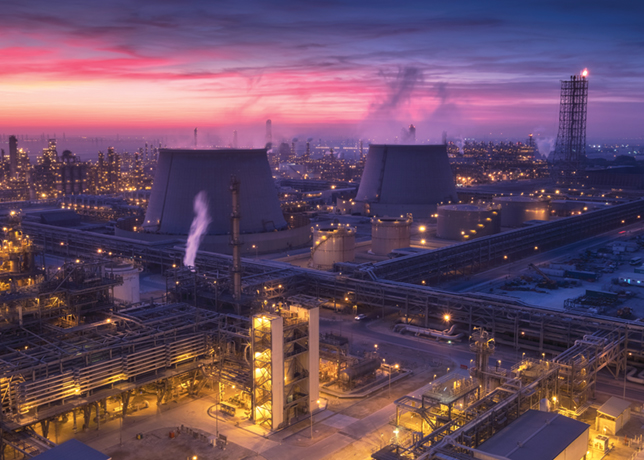


Sinochem Corp will become one of Baghdad’s top oil buyers next year when the Chinese state company starts its first wholly-owned refinery, the latest example of Iraq beating Middle Eastern rivals in the competition for new markets in Asia.
Iraq’s output has increased rapidly after years of unrest and China is the most important battleground for exporters looking for new markets. China overtook the US as the world’s largest net oil importer in September and has driven global fuel demand growth for a decade. Iraq said China is seeking to increase purchases of its crude by more than two-thirds next year. To boost sales it has offered sweeter payment terms to buyers than competitors.
Sinochem plans to use Iraqi crude for 40 per cent of the capacity of the new refinery, replacing a preliminary agreement to use more expensive oil from Kuwait, Chinese traders said.
“Kuwaiti crude is pricier than Iraqi oil and it is non-tradable, making it less competitive,” said a trading source with knowledge of the deal. Sinochem would still likely buy some crude from Kuwait, he added.
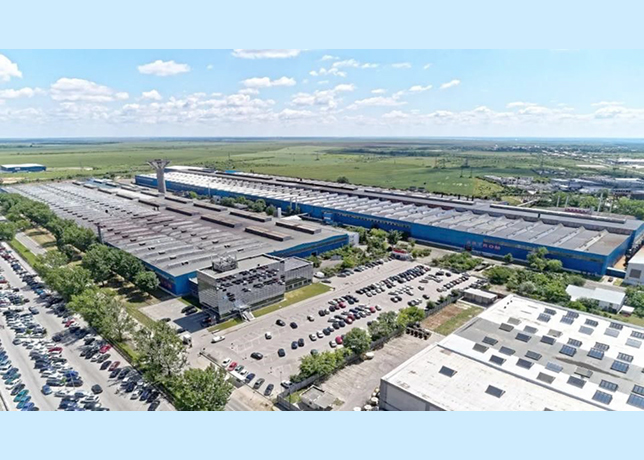
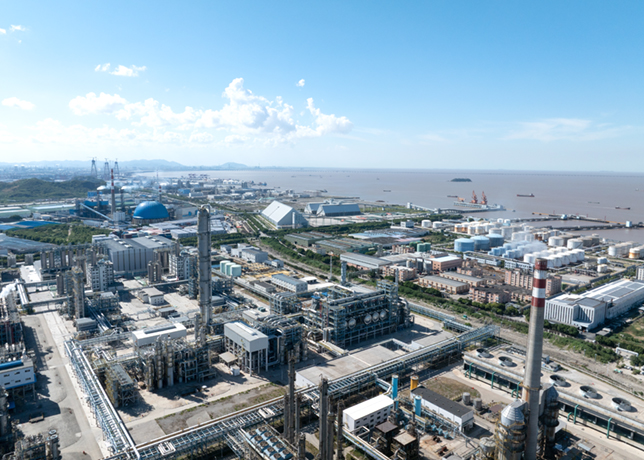
Sinochem’s 240,000-barrels-per-day Quanzhou plant on China’s southeast coast is expected to process about 100,000 bpd of Iraqi crude after completing test runs due to start in December, the trading sources said. Sinochem may still need to honour, at least partially, a non-binding agreement inked in 2007 with Opec-member Kuwait to buy 240,000 bpd Kuwaiti oil for the Quanzhou plant.
“(Sinochem) can’t burn the bridge behind it,” said the source, estimating the volume from Kuwait could be only two million barrels per quarter, or about 22,000 bpd, less than a tenth of the preliminary deal.
Sinochem’s informal tie-up with Kuwait helped it obtain state approval for its refinery since Beijing requires large new refineries to secure oil supply first. But Sinochem had never formalised the supply deal with Kuwait, traders said, partly because the Opec member does not appear to have any immediate plan to boost its oil output beyond the current 3.2 mbpd.