




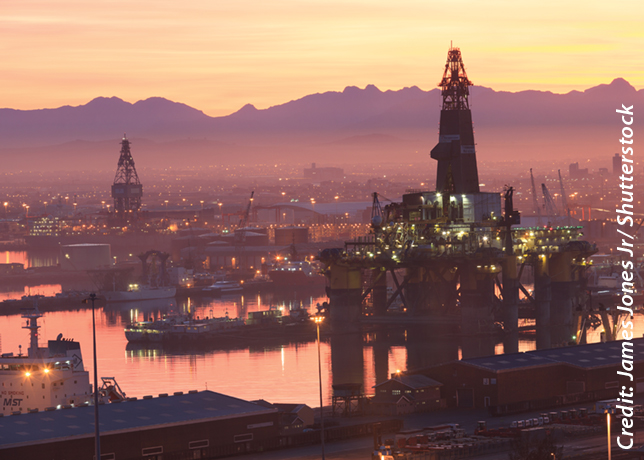














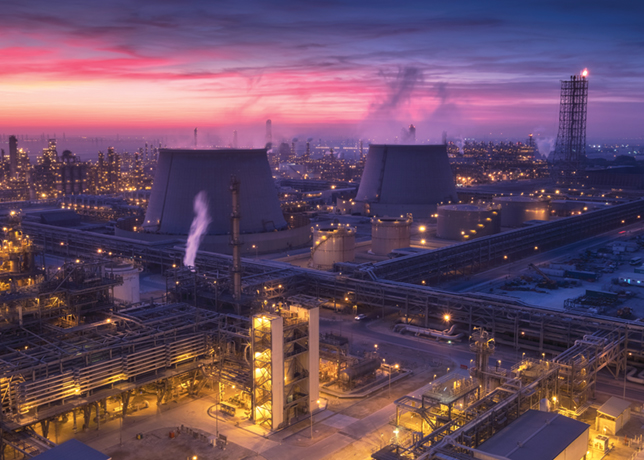

A ROUND $700 billion of energy projects are currently under way or planned in the UAE, with Abu Dhabi occupying a dominant position within this sizeable market, analysts say.
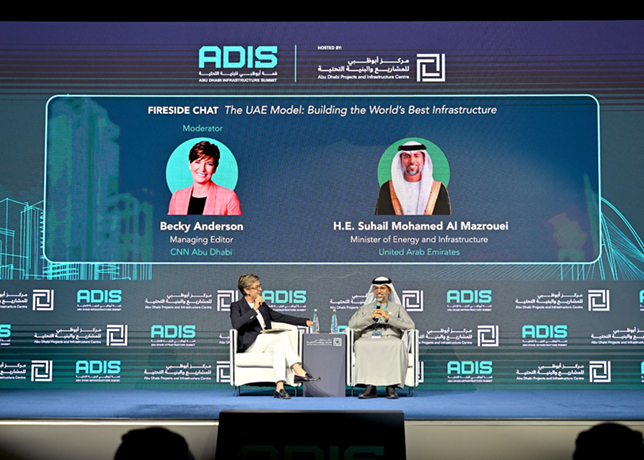
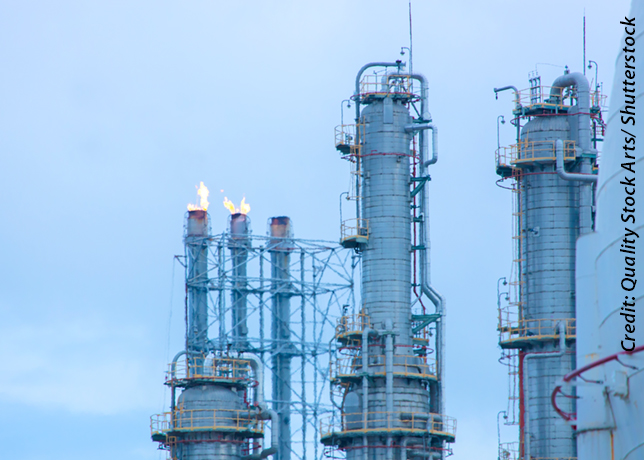
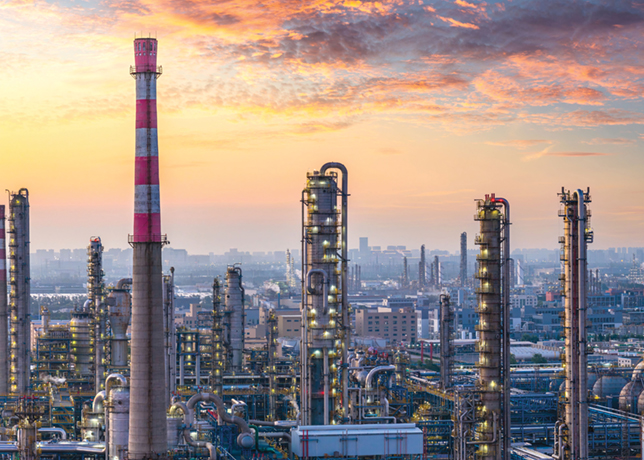
Among them is the plan to raise refining capacity to 1.1 million barrels per day (mbpd) by 2017 from 707,000 bpd currently, minister of energy Suhail Al Mazrouei says.
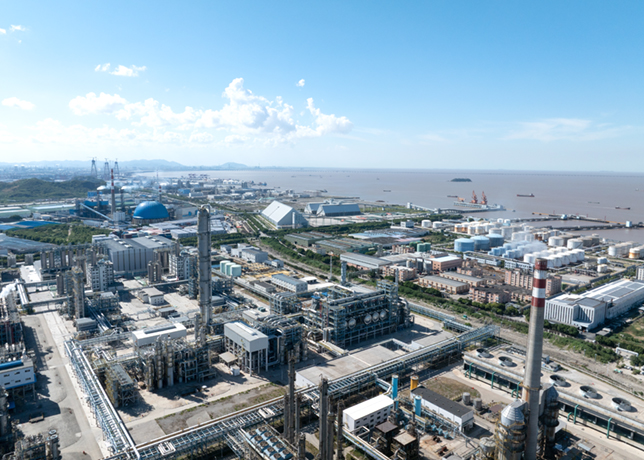
Energy officials had said the UAE hopes to raise its refining capacity to about 920,000 bpd by the end of this year with the majority coming from the doubling of capacity of the 415,000 bpd Ruwais refinery on the Gulf coast.
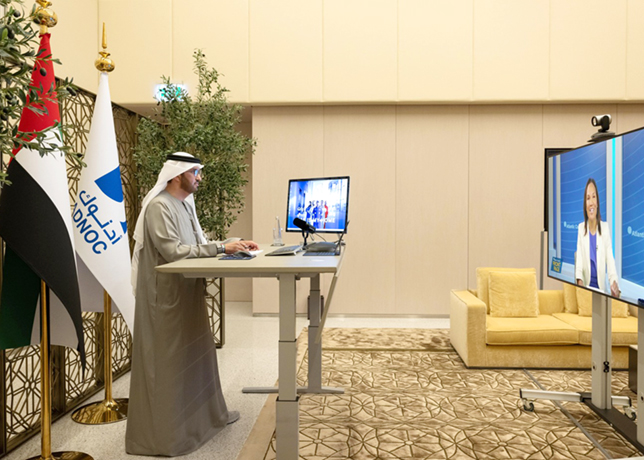
Al Mazrouei affirms that the UAE seeks to maintain its position in the global energy market and is therefore planning major investments in the oil and gas sectors. The country will implement projects to increase the capacity of its crude oil productivity to 3.5 million barrels per day (bpd) by 2017.
It has allocated $25 billion for the development of gas projects and for the construction of a gas network across the UAE, Al Mazrouei says, adding that the emirate of Abu Dhabi will complete the development of Al Shah project for acid gas run by Al Hosn Gas Company at Dh10 billion. Production will commence with one billion cubic feet per day.
Adnoc, which produces and processes most of the UAE’s crude, is the only UAE refiner expecting to add substantial capacity this year. The planned greenfield refinery at Fujairah on the Arabian Sea coast will add another 200,000 bpd when its construction is completed in 2017. Technical proposals were submitted in July for the refinery’s engineering, procurement and construction.
The refinery would provide the UAE with an export option for petroleum products outside the Strait of Hormuz chokepoint at the mouth of the Gulf.
However, the project’s owner, International Petroleum Development Company, or IPIC is yet to set a deadline for commercial bids, almost a year after the deal was first tendered.
Dubai government-owned Emirates National Oil Company (Enoc) operates a 120,000 bpd condensate refinery at Jebel Ali, also on the Gulf coast, and has tentative plans to build a second refinery in partnership with China Sonangol. Enoc imports much of the feedstock processed at Jebel Ali.
Meanwhile, the UAE has spent Dh22 billion ($6 billion) during the first eight months of 2014 on oil and gas projects, particularly those related to raw production. Adma-Opco has spent $2.7 billion on contracts to develop and upgrade Al Nasr oilfield, while Abu Dhabi Company for Onshore Oil Operations (Adco) has spent nearly $1.44 billion on expansion projects for two oilfields.
The question of who will win the bidding for Abu Dhabi’s historic onshore oil concession is currently the subject of enormous interest across the industry, as the outcome will shape a significant element of the country’s energy landscape for decades.
The expiry of the 75-year-old concession in January this year saw a number of major oil companies lose their stake in the Abu Dhabi Company for Onshore Oil Operations (Adco), which operates the onshore Bu Hasa, Bab, Asab, Sahil and Shah oil fields. The Abu Dhabi National Oil Company (Adnoc) held the controlling 60 per cent stake and has held a 100 per cent stake since January.
The Adco concession is the largest in the country with the capacity to produce about 1.5 mbpd. Adnoc’s recommendation on which parties should hold the new concession requires approval by the Supreme Petroleum Council, the emirate’s highest oil policy body.
Hugh Fraser, managing partner of Andrews Kurth’s Dubai office, says: “The award of the new concessions will have far-reaching consequences. At stake is one of the few major oil-producing areas in the Gulf where international companies are still allowed to hold an equity interest.
“As Saudi Arabia, Kuwait and other Gulf countries nationalised their oil industries over the years, Abu Dhabi has remained as one of the few in the region to allow foreign holdings in its oil industry. The Adco concession is the largest in the country so the new concession holders will be under pressure to maximise production as part of the UAE’s drive to meet its higher output targets.”