












FOLLOWING a failed bid to sell a minority stake in its Mideast oil and gas business to a regional consortium earlier this year, US Occidental Petroleum is quietly working on a plan to sell off significant stakes in two of its prized regional assets – the Shah sour gas field and the Dolphin Energy project.
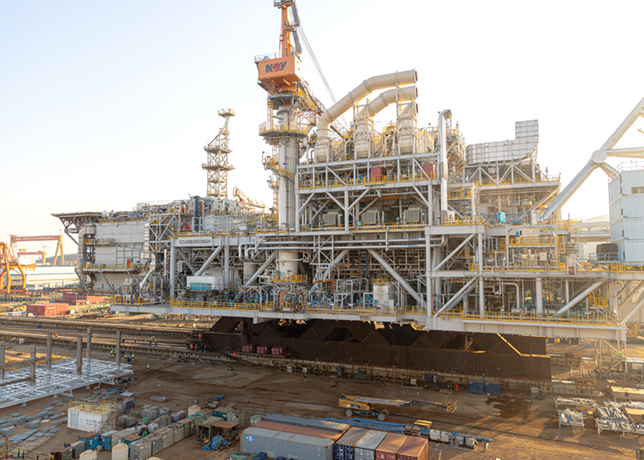
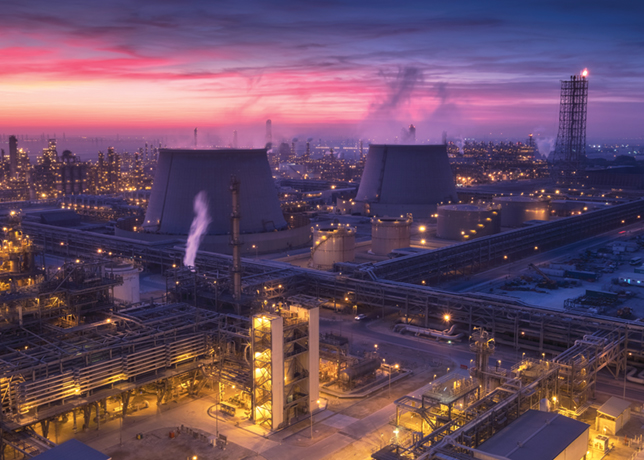
First in line is the $10 billion Shah gas project in the UAE, for which Oxy is aiming to close a deal with Abu Dhabi’s state-backed Mubadala Petroleum to buy as much as three-quarters of Oxy’s stake for up to $3 billion.
Oxy is also seeking to sell off part – or all – of its stake in Dolphin, which supplies Qatari gas via pipeline to the UAE and Oman, but that proposed deal is facing a series of major obstacles, including reluctance on the part of Qatar to allow such a sale, PIW reports.
A deal for Shah is slated to be finalised by the end of this year, just as the 1 billion cubic foot per day project starts up, with negotiations “moving along quickly,” according to a source familiar with the talks.
Mubadala is eyeing to buy 10 per cent-30 per cent of Oxy’s 40 per cent stake in Shah, although Oxy would remain as operator, and state-owned Abu Dhabi National Oil Co (Adnoc) would retain its 60 per cent stake. If finalised, the deal would represent an unprecedented shift in Abu Dhabi, marking Mubadala’s entry into the emirate’s upstream, which has long been the protective domain of Adnoc.
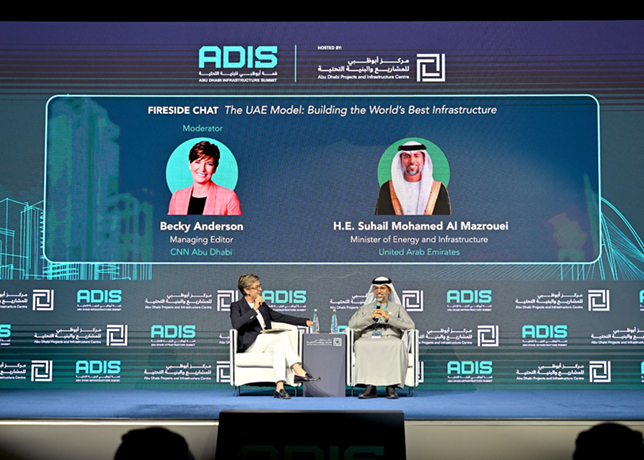
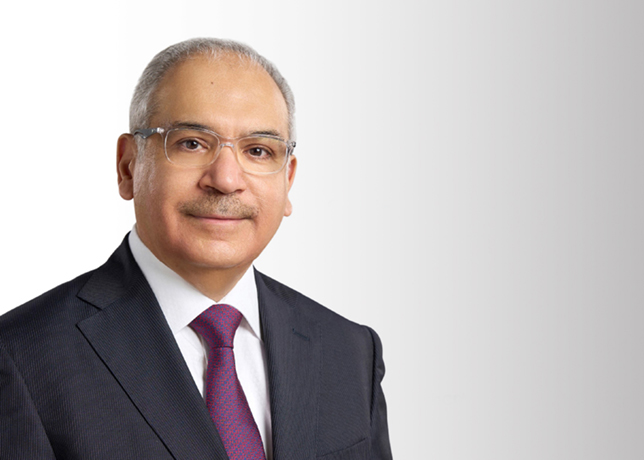
Key to providing an opening for Mubadala in Abu Dhabi is UAE Oil Minister Suhail Al Mazrouei. Prior to being appointed minister early last year, Al Mazrouei served as Mubadala’s deputy chief executive. “Suhail has made this deal possible with Adnoc,” says a source close to Mubadala.
Mubadala had previously teamed up with state-owned Qatar Petroleum International and Oman Oil Co to buy 30 per cent of Oxy’s entire regional portfolio, spread across seven countries and accounting for 265,000 barrels per day of production, but that deal fell apart earlier this year. The proposed deal was troubled from the start, with a lack of clarity about Oxy’s intentions leading the Qataris to ultimately lose interest in the deal.
Qatar and the UAE were also reluctant to share confidential oil and gas field data, citing national security concerns, while it was unclear who would control or head the new company if spun off entirely, not to mention what role the Mideast Gulf states would play in any form the deal would take.
Oxy’s management has since decided to offer up individual assets, focused mainly in Qatar, Oman and the UAE, which together account for nearly 70 per cent of the company’s regional output, and will jump higher yet upon Shah’s start-up.
In preliminary talks to sell its 24.5 per cent stake in Dolphin, Oxy is already getting serious pushback from Qatar, which has the authority to veto any sale to a third party, informed sources say. Mubadala, which holds 51 per cent in Dolphin, could boost its stake in the project, but tense political relations between the UAE and Qatar add an additional layer of complexity to that option. France’s Total holds the remaining 24.5 per cent in Dolphin.
“It is going to be very difficult for Oxy to sell a stake in Dolphin,” says a source familiar with the talks, adding that working out a deal in which Qatar, the UAE – plus Oxy, its current partners, and the buyer of its share – are all happy with is “quite complicated.”