




























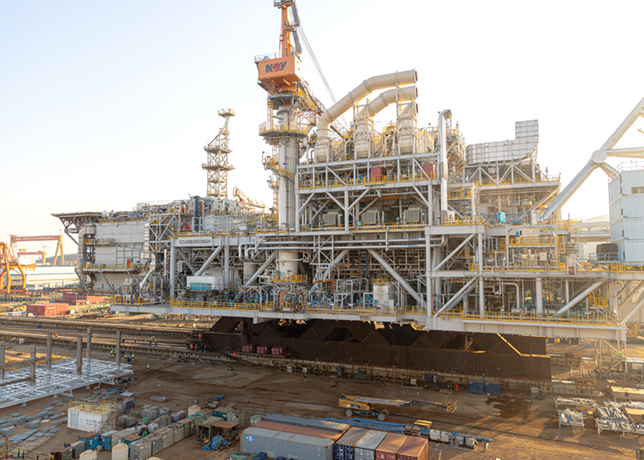

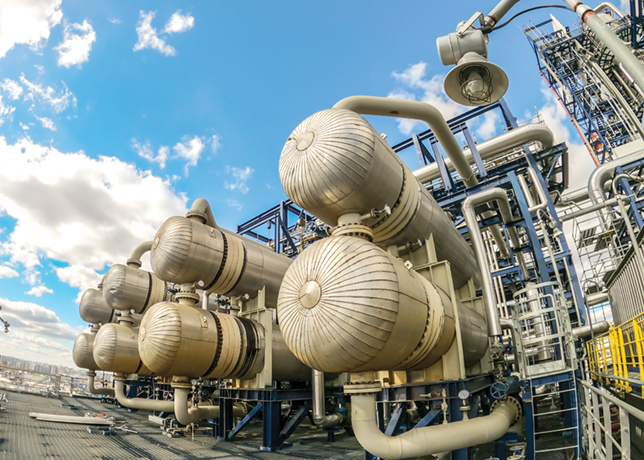



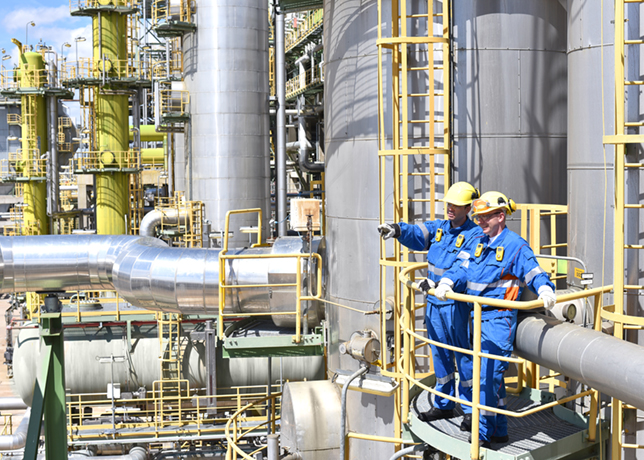
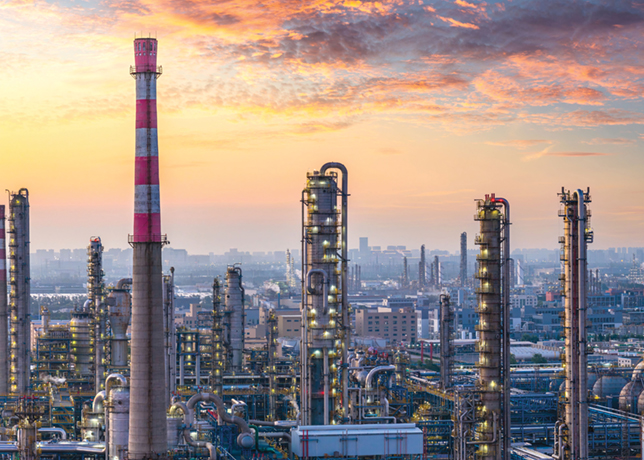






Growing demand from key end user inductees including construction, packaging, transportation, textile and plastics, coupled with favourable operating conditions mainly in the Middle East and Asia Pacific is expected to drive the global market
Global demand for petrochemical market was valued at $550 billion in 2014 and is expected to reach $890 billion in 2020, growing at a CAGR of around 6.5 per cent between 2015 and 2020.
Petrochemicals are basically derived from hydrocarbons. Some chemical compounds made from petroleum are also obtained from other fossil fuels, such as coal or natural gas, or renewable sources such as corn or sugar cane. Petrochemical is mainly classified into two type such as olefin (including ethylene and propylene) and aromatics (including benzene, toluene and xylene isomers).
Olefins and aromatics are produced in oil refineries by fluid catalytic cracking of petroleum fractions. Chemical plants produce olefins by steam cracking of natural gas liquids like ethane and propane. Aromatics are produced by catalytic reforming of naphtha. Olefins and aromatics are the building-blocks for a wide range of materials such as solvents, detergents, and adhesives. Olefins are the basis for polymers and oligomers used in plastics, resins, fibres, elastomers, lubricants, and gels.
Growing demand from key end user inductees including construction, packaging, transportation, textile, plastics, healthcare etc., coupled with favourable operating conditions mainly in the Middle East and Asia Pacific is expected to drive the global market for petrochemicals over the next five years. Strong growth of these end-use industries is the major driving factor for global petrochemical market.
However, manufacturers are expected to face major challenges such as growing environmental concerns. Owing rapidly growing pollution and global warming concerns, use of petrochemicals is expected to decline. Nevertheless, rapidly depleting crude oil reserves is expected to present major challenge to the manufacturers. Moreover, growing awareness about environment safety and shift towards use of bio-based chemicals is expected to hold the growth of this market.
On the basis of product segment petrochemicals market is segmented into ethylene, propylene, butadiene, benzene, xylene, toluene, vinyl, styrene and methanol. Ethylene was the most dominating petrochemical product, accounting for about 25 per cent of the global petrochemicals market in 2014. Ethylene is primarily used in the manufacture of polypropylene and propylene oxide. Methanol is projected to be the fastest growing segment from 2014 to 2020. Growth of methanol is directly related to its increasing usage in gasoline blending and methanol to olefins (MTO) processes. Other petrochemicals such as butadiene, benzene, xylene, toluene, vinyl and styrene accounted for a significant portion of the global petrochemicals market share in 2013.


