




























The companies are considering locations in San Patricio and Victoria counties, near Corpus Christi, Texas, as well as St. James and Ascension parishes in Louisiana, near Plaquemine. Both have worked together for 35 years in major chemical JVs
Sabic and ExxonMobil Chemical are considering locations in South Texas and Louisiana for a proposed multibillion-dollar petrochemical complex anchored by a world-scale ethane-fed steam cracker, the companies say.
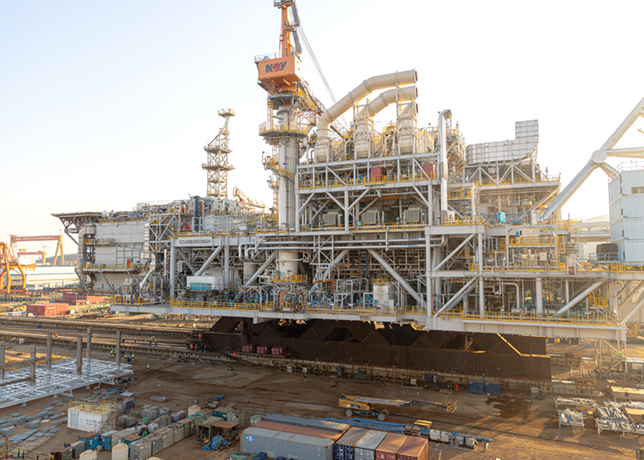
The project, currently under evaluation, would feature a 1.8 million mt/year ethylene-capacity steam cracker that would feed a monoethylene glycol plant and two polyethylene plants, ExxonMobil spokeswoman Margaret Ross says.
The companies are considering locations in San Patricio and Victoria counties, near Corpus Christi, Texas, as well as St James and Ascension parishes in Louisiana, near Plaquemine, Sabic spokeswoman Susan LeBourdais says.
'Both states provide access to locally available, abundant natural gas feedstocks as well as required infrastructure,' Ross says. 'We are working with state and local officials in both states to help identify a potential site.'
Both Corpus Christi and Plaquemine have refining and petrochemical production. Corpus Christi is also in close proximity to the Eagle Ford shale play.
'ExxonMobil and Sabic must complete their respective studies and obtain project permits before a final investment decision can be made,' Ross says. 'We are very early in the process and cannot speculate on timelines.'
Sabic and ExxonMobil have worked together for 35 years in major chemical joint ventures in Saudi Arabia, including the Yanpet Saudi-Yanbu olefins and polymers complex.
If carried forward, the project would mark Saudi Arabia-based Sabic’s North American debut as an olefins and polymers producer. The company is a major polymer player worldwide.
ExxonMobil Chemical’s operations in the US Gulf Coast region include olefins and polymers production in Baytown and Beaumont, Texas, as well as Baton Rouge, Louisiana, totaling just under 8.5 million mt/year.
The company is also building a 1.5 million mt/year ethane-fed steam cracker and associated PE plants at its Baytown complex, already the largest in the US by capacity.
The project, which is scheduled for startup during the second half of 2017, is one of as many as six involving world-scale steam crackers in the USGC scheduled to come online within the next 12-24 months, as part of the first wave of projects fuelled by abundant natural gas-related feedstocks in North America.
Any new facility would take several years to complete, but potential time frames would call for the new ethylene and derivatives to come online during the next decade following the first wave of ethane-fed petrochemical expansions.
'If they can time this project to come online in 2023, they would be in a position to capitalise on a more than million metric tonne global polyethylene deficit we’re anticipating in 2024,' says Jim Foster, director of analysis, petrochemicals, for S&P Global Platts. 'If there is an economic turnaround globally before 2023, this unit might be needed sooner.'
Based on Platts Analytics forecasts, ethylene run rates in the US would be between 85 per cent and 90 per cent from 2021-2023. If the project dedicates 60 per cent of the ethylene produced to polyethylene production, Platts Analytics anticipates it would provide an additional 890,000-940,000 mt of material to the global market.
With the polyethylene surplus in the Americas – including all of North and South America – expected to already be at 6.7 million mt in 2021, the project’s output would either displace that of other North American producers in the region or would be exported to meet global demand.
Either way, there would be nearly 1 million mt more polyethylene coming out of North America once the unit is built, Foster says.
'Based on current announcements, we expect the global polyethylene deficit will reach 5.75 million mt in 2025,' Foster says. 'New projects such as these are definitely needed toward the tail-end of our 10-year forecast.
'I do have concerns in the short term though. As these new units come online, we are expecting global PE surpluses globally to grow to more than 7 million mt by 2018 – which is nearly 8 per cent of total worldwide demand.'
The joint venture would look to capitalize on cheaper ethane feedstock in North America.
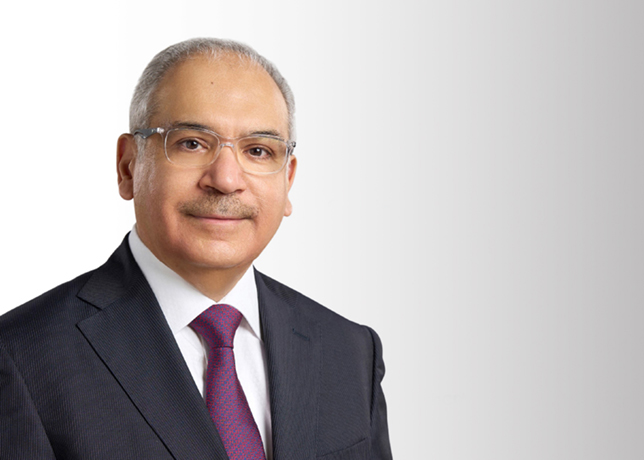
'We are focused on geographic diversification to supply new markets,' Yousef Abdullah Al-Benyan, Sabic vice chairman and chief executive officer, says in a statement.


