





































DUBAI-based Future Pipe Industries Group (FPI), has won a $138 million (QR505 million) contract to supply Fibre strong fibreglass pipes and fittings for Phase 2, category II, of the project to expand the seawater cooling facility at Ras Laffan Industrial City, in Qatar.
FPI, through its subsidiary, Future Pipe Industries Qatar, has already supplied Fiberstrong for a portion of Ras Laffan’s piping systems in connection with Phase 1 and the category I of Phase 2. By the time Phase 2 is complete, FPI is expected to have delivered approximately 176,000 m of Fiberstrong fibreglass pipes, or equivalent to one third the length of Qatar’s coastline.
FPI Fiberstrong pipe systems will be used for above and below ground seawater cooling lines, fire water and chlorination.
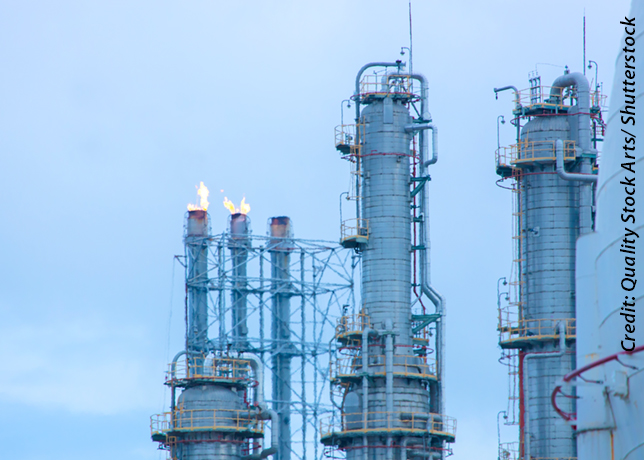
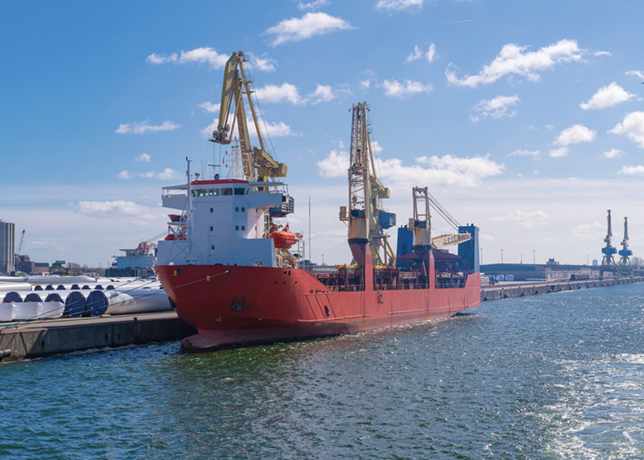
Located 80km north east of Doha, Ras Laffan City’s industrial port, operated by state-owned Qatar Petroleum (QP), is amongst the largest facilities in the world for the export of liquefied natural gas (LNG), gas that is cooled to a liquid for transport by ship. A common cooling water supply facility is critical given the scale of industries present there. By 2010, QP expects demand for more than 1 million cubic metres of cooled water per day, compared with supply of just under 600,000 cubic metres now.
Commenting on the contract, Rami Makhzoumi, president and CEO of FPI says: “This important contract demonstrates our ability to service some of the world’s largest infrastructure projects. Our home market, the GCC, is the fastest growing fibreglass pipe market in the world and it is here that FPI has proved that fibreglass can be the pipe solution of choice for the biggest infrastructure and industrial projects.
“In the case of Ras Laffan, our fibreglass pipe systems demonstrated their ability to perform at a superior standard to other materials, given harsh environmental conditions in the Gulf region, the design parameters, and the highly corrosive elements of seawater being transported. Cutting-edge technology and quality make FPI’s Fiberstrong pipe systems ideally suited for a project of this calibre, the largest of its kind in the region.”
FPI will supply Fiberstrong fibreglass pipes for the cooling water system as this type of pipe system is highly capable of resisting the region’s high temperatures – which can soar to 50 degrees centigrade – and the corrosive conditions from seawater. GRP pipes are also more efficient carriers, light in weight, durable and easy to install, says FPI vice president, Salah Al Otaibi.
The delivery of these fibreglass pipe systems in connection with Phase 2 category II which are directed through Athens-based Consolidated Contractors Co, is expected to commence this year. The project is expected to be completed by the first half of 2010.
FPI is the global leader in the large diameter fibreglass pipe industry, developing, manufacturing and supplying fibreglass pipe systems for customers throughout the world. Headquartered in Dubai, FPI’s operations include 11 factories and a global network of sales offices across four continents.
FPI serves customers in over 50 countries across the oil and gas, infrastructure and municipal, water distribution, desalination and power, petrochemical and industrial markets. FPI’s customers are generally companies engaged in infrastructure and construction projects, such as EPC contractors and general infrastructure building contractors. The end-users of FPI’s pipe systems include governments, municipalities, other state-owned enterprises, oil and gas exploration and production companies and power generation companies.


