

































SAUDI Arabian oil minister Ali Al Naimi has told the world’s leading oil producing and consuming countries that pessimism about future supply of oil was “unwarranted and that the current tightness in world oil markets was due to “limited capacity along the entire supply chain.”
This capacity constraint represented “the greatest threat to ensuring adequate energy to fuel future economic growth,” he says.
“At its heart, this is not an energy resource issue; it is primarily an investment issue,” Naimi told the International Energy Forum’s meeting in Rome.
“High oil prices, talk of peak oil, geopolitical tensions, oil’s new role as a financial instrument, concerns over climate change and the growing popularity of the notion of energy independence are raising anxiety levels among both producers and consumers,” Naimi says.
“Admittedly, we face many uncertainties. Talk of running out of oil gives rise to fears among consumers of shortage and insufficient supplies to fuel continued economic growth. At the same time, calls for replacing oil with alternative fuels in the name of energy security raises concern among producers that they face a future of diminished demand for a product that provides their main source of income,” he says.
But, he continued: “I believe all this negativism and pessimism is unwarranted. This is not the time to panic and grasp for exotic, unproven solutions. Rather, we must remain calm and objective in our analysis of the facts. By doing so, we can better appreciate roots of current market conditions and their implications for the future economy well-being of the world.”
“I think it is necessary to evaluate current market conditions and future prospects on two levels – below ground and above ground. Underground, we need to accurately assess the size of the remaining resource base. Above ground, we have to focus on our capabilities and constraints in producing and bringing these resources to market as finished products.”
Naimi says Saudi Arabia had always stood as a force for moderation in the petroleum markets. “And that stance continues,” he says. “We work very hard to make sure that the global oil market is well supplied and well balanced, and to that end we continue to maintain a spare production capacity of roughly 2 million bpd to be used when there is an unexpected need.”
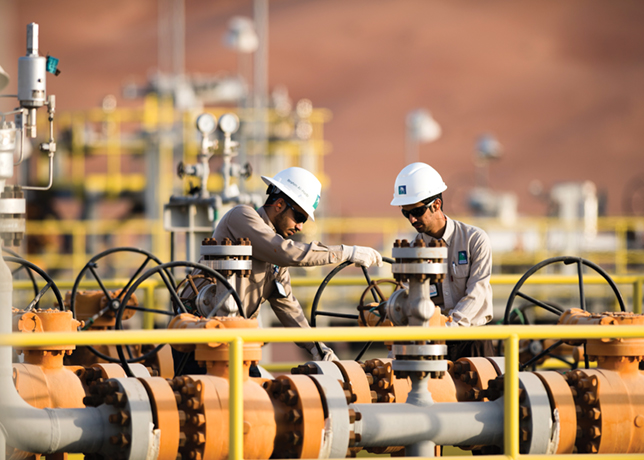
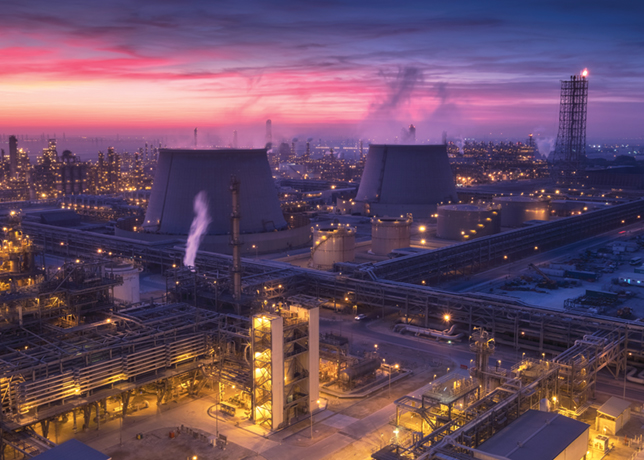
Naimi says there should be “no doubt that Saudi Arabia is doing its part to meet the world’s future energy demand,” reminding his audience that the kingdom had undertaken a “massive” programme to raise its crude output capacity to 12.5 million bpd by the end of 2009.
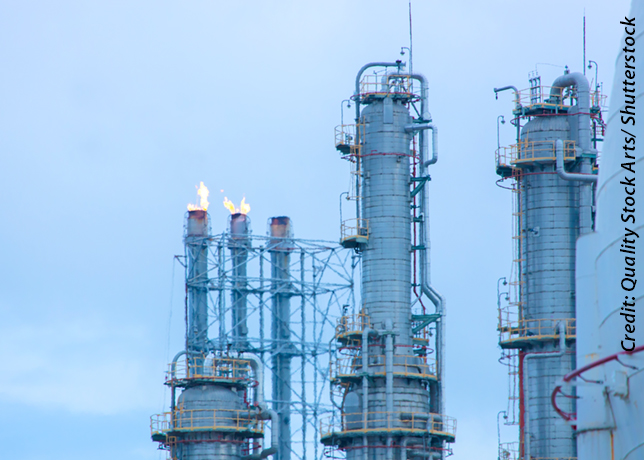
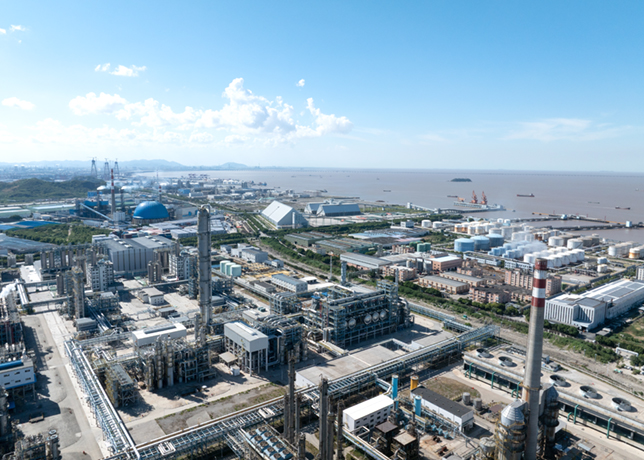
The kingdom had also made an “unprecedented” commitment to double its worldwide refining capacity to 6 million bpd “to meet growing demand in key markets and to help correct the current imbalance between crude quality and refinery capabilities.”
“At the same time, we have an on-going exploration programme which we are confident will add further significant additions to our reserve base,” he says.
The minister notes that Saudi Aramco had many major petroleum joint ventures with international oil companies, “and will be negotiating to create more such ventures in the years to come.”


