














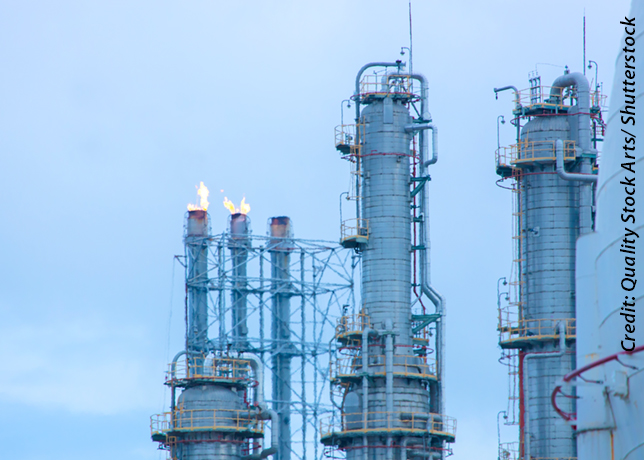


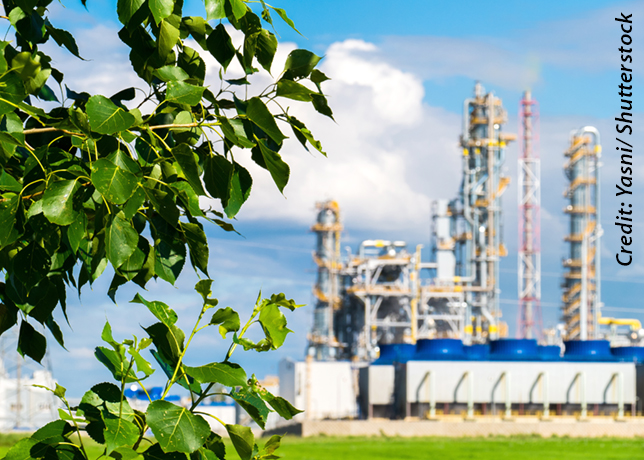








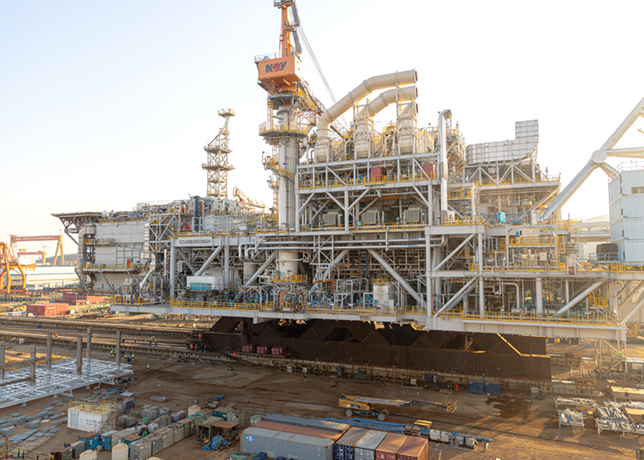

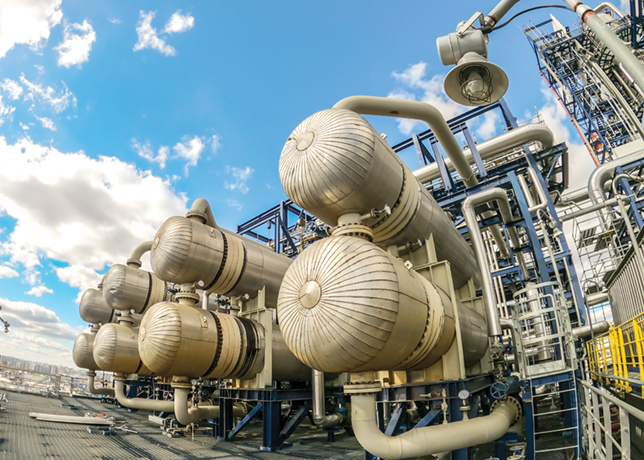



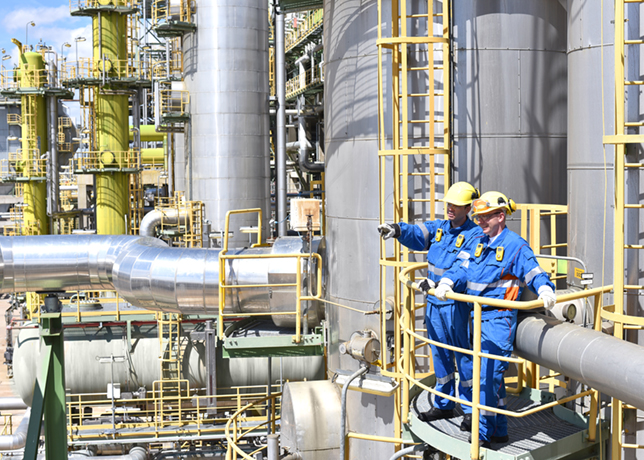
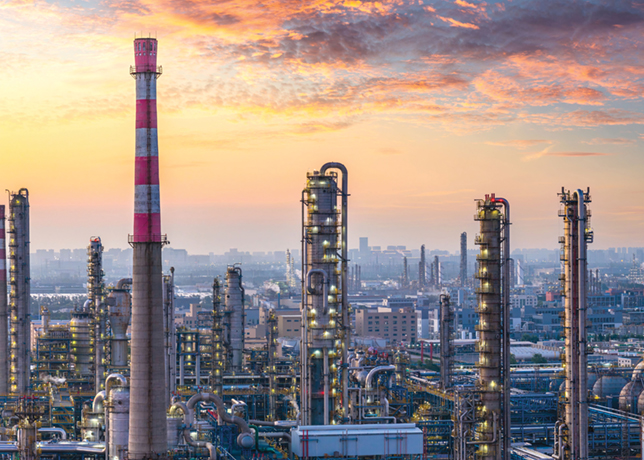
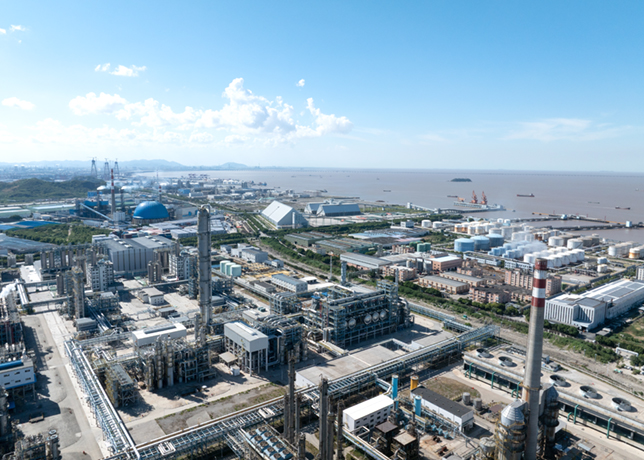



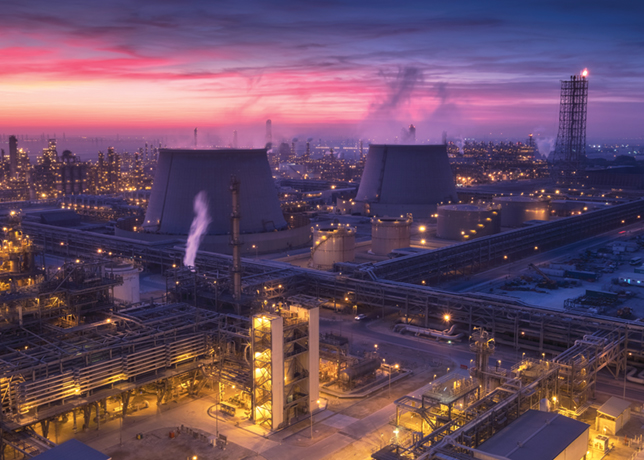


SAUDI Aramco and Total have confirmed plans to build a 400,000 barrels per day (bpd) refinery in Jubail, Saudi Arabia, focused mainly on ultra-low-sulphur distillates, reflecting an accelerating world-wide trend of strong growth in diesel and jet fuel and weakness in gasoline.
“The refinery will process Arabian Heavy crude to high-quality refined products that will meet the most stringent global product specifications, and is expected to begin operations at the end of 2012,” the partners say.
The refinery will benefit from the proximity to the Arabian Heavy crude supply system and from the excellent facilities of the Jubail industrial city such as King Fahad Industrial Port, power and water grids and residential areas.
An earlier Front-End Engineering and Design (Feed) study led to selection of refining technologies “geared to maximising the production of diesel and jet fuels,” the partners said. The plant also will produce 700,000 tonnes per year (t/y) of paraxylene, 140,000 t/y of benzene and 200,000 t/y of polymer grade propylene.
“A joint venture company for the refinery will be formed during the third quarter of 2008. Saudi Aramco will initially own 62.5 per cent of the company, and Total will own the remaining 37.5 per cent,” they say.
“Subject to required regulatory approvals, the parties are planning to offer 25 per cent of the company to the Saudi public, while the two founding shareholders each intend to retain a 37.5 per cent ownership interest. Saudi Aramco and Total will share the marketing of the refinery’s production.”
The partners aim to release invitations-to-bid for the project’s construction in June 2008. Project awards are expected during the first quarter of 2009.
Orders for long-lead-time items will be placed as soon as the third quarter of 2008. The project will be introduced to the lending community in the second part of 2008, with a targeted financial close in early 2009.
Meantime, on a related front, Saudi Aramco and ConocoPhillips announced that they also have approved continued funding for a separate 400,000 bpd export refinery in Yanbu.
The announcement came two days after Saudi Aramco and Total announced that they are going forward with the Jubail refinery.
Both refineries will process Arabian heavy crude and produce ultra-low sulphur refined products “that will meet current and future product specifications.”
Aramco and Total will share the marketing of refined products. Startup is scheduled for 2013. Product slate wasn’t disclosed – and ConocoPhillips told us they had no further information on output plans “at this time.” But given worldwide trends of strong diesel demand growth and relative stagnation in gasoline, middle distillates maximisation is more likely.
Total expects the refinery to cost more than $10 billion to build, chief executive Christophe de Margerie says.
The cost of the project, to be built at Jubail on the Saudi coast, was disclosed by de Margerie on the sidelines of the company’s annual general meeting. It is a substantial increase from the original price tag of $6 billion estimated in 2006.
The increased cost shows that while oil companies are garnering higher revenues amid record oil prices, project costs have soared as well, amid labour and materials bottlenecks.
de Margerie also says he expects Total’s Jura gas and condensate field in the British North Sea to come on line within days.
Jura, which Total says should eventually produce 45,000 bpd, is set to start producing “in the very next days,” de Margerie says.
The development, 160 kilometres east of Scotland’s Shetland Islands, “probably” will be online soon, de Margerie says.
Jura holds over 170 million barrels of probable and proven reserves, according to information on Total’s Web site.
De Margerie says the effect of production-sharing contracts in some countries, under which Total retains fewer barrels of its production as the oil price rises, may slow production growth.
The present target is 4 per cent average production growth between 2006-2010, based on a $60 a barrel average oil price. But yearly production growth could fall to 3 per cent if the average price a barrel is $100, de Margerie says.