










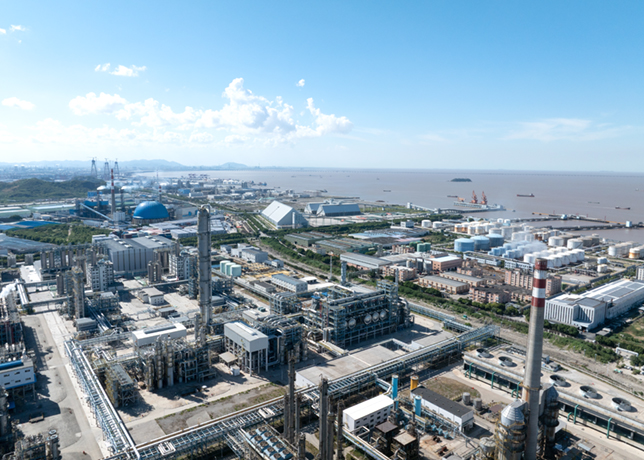
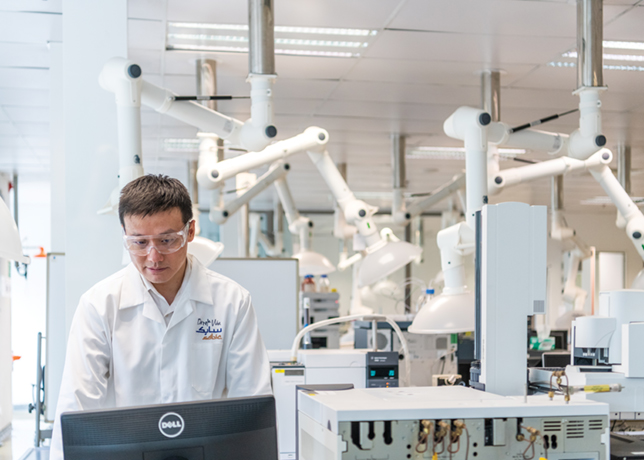

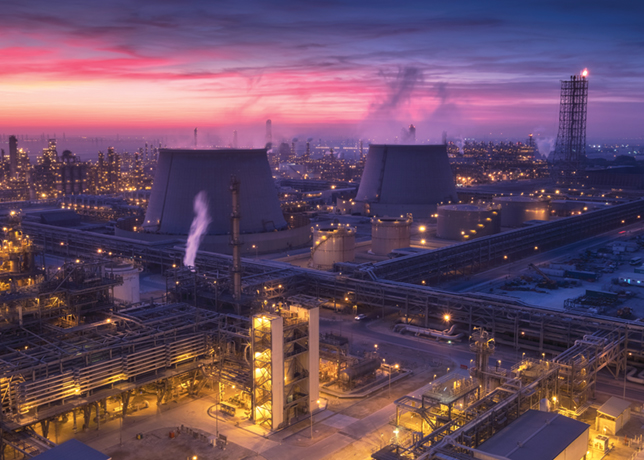

SAUDI Basic Industries Corp (Sabic), the world’s largest petrochemical firm by market value, may invest $5 billion in war-torn Iraq as competition for energy at home forces it to search for cheap gas in riskier Mideast locations.
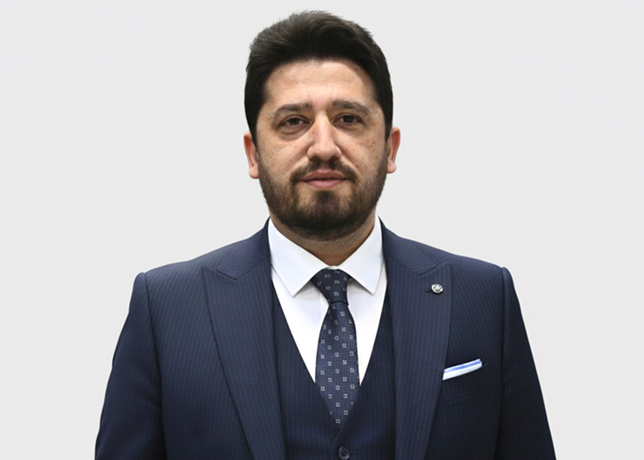
The Riyadh-based company is in talks with Iraq’s government “to build a new factory to produce polyethylene and polyvinyl chloride,” Faris Taha Abdul Hameed, Iraq’s chemical industry director, says.
Sabic joins companies like Royal Dutch Shell, Dow Chemical Co and Total as the latest to flirt with a major investment in Iraq amid ongoing political uncertainty and violence in the country.
For their part Sabic officials are quick to pour cold water on the Iraq project talks.
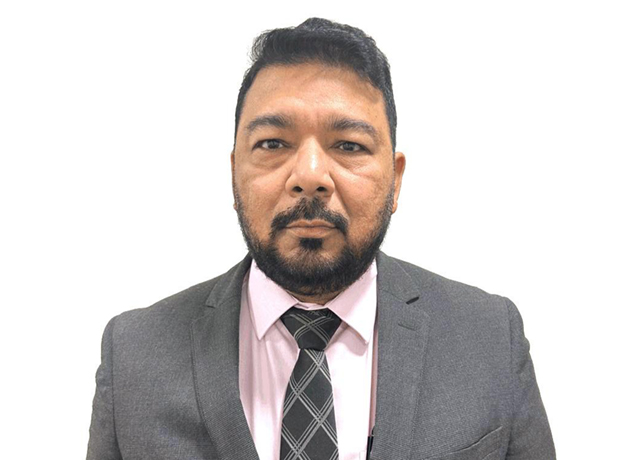
“This has been twisted politically,” chief financial officer Mutlaq Al Morished, says. Al Morished declines to comment further on the status of talks.
But war-torn Iraq is not the only high-risk market that Sabic is turning to in search for ethane-rich gas, the vital ingredient for making petrochemicals that are eventually processed into plastics.
The company plans to invest in Algeria, holder of the world’s sixth-largest gas reserves. Last year it lost out to French oil-giant Total in a bid for a $3 billion petrochemical complex at Arzew.
Rising gas consumption in Saudi Arabia is putting Sabic increasingly under pressure to invest outside the kingdom, which is home to the world’s fourth-largest natural gas stocks.
But as it ventures further afield in search of gas Sabic risks losing the home field advantage that has propelled it to the top of the class of international petrochemical makers.
Between 2005 and 2030, Saudi gas consumption is forecast to rise at least threefold to 14.5 billion cubic feet a day, partly driven by rising petrochemical requirements.
Further pressure on gas supplies comes from other industrial projects such as aluminum smelters and annual population growth rates above 2.2 per cent, which makes it harder for Sabic to secure resources for expansion.
“Gas demand in the Gulf is increasing for petrochemical and industrial uses, especially as the regional economy booms,” says Roger Green, a principle at Nexant Chem Systems in London. “Industrial growth puts pressure on energy supplies which increases gas demand.”
Iraq plans to lure companies like Sabic with access to each vast and cheap natural resources in return for investment as it struggles to rebuild its shattered economy.
Abdul Hameed says the Sabic plant, which may cost up to $5 billion, could have capacity to produce 1 million tonnes a year of petrochemicals.
“The factory will take up to five years to build and Sabic is still taking its decision,” he adds.
Last year, Iraq’s industry and minerals minister Fawzi Al Hariri said the government was seeking investors for a possible $1 billion upgrade of a petrochemical plant in Basra and the possible construction of a new $2 billion facility in the country’s northern or central regions.