




















ABU Dhabi National Energy Corporation (Taqa) has used up part of the $5 billion it plans to spend this year on asset acquisition with the purchase of six North Sea fields from Shell and ExxonMobil.
Taqa, 75 per cent-owned by the Abu Dhabi state, aims to expand its asset base by 25 per cent a year until 2012, by when it plans to have $60 billion of assets under its ownership. By the end of 2008, it should be half way there.
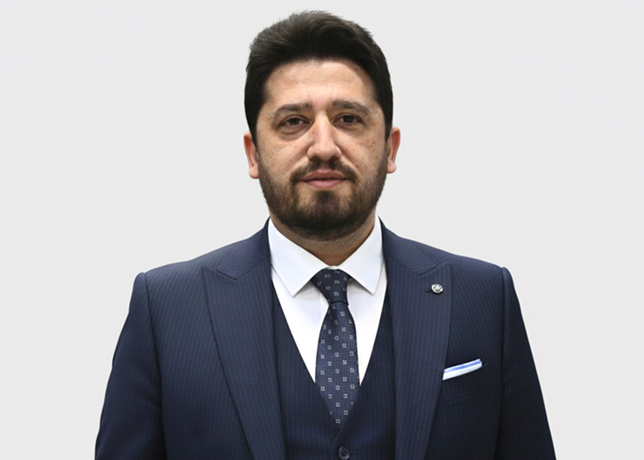
Its mergers and aquisition (M&A) drive, Taqa chief executive Peter Barker-Homek says will provide the company with “a footprint where you can develop organic reserves or built up a real power-generation base”.
Its spending strategy appears to be delivering good results for the company, which started life as a state-owned power provider and has steadily worked its way up the value chain. Last year, Taqa reported a 113 per cent rise in net profit, to $272 million, with one-fifth of the income generated by upstream activities.
The uplift from some of its new acquisitions is already evident. In the first quarter, it reported a more than six-fold rise in profits, after incorporating revenue from its $4.94 billion buyout of Canada’s Prime West Energy Trust last year.
And with oil prices so high, Taqa is confident it can achieve its ambitious 25 per cent annual growth target, even without the effect of big acquisitions. That may be preferable: asset prices are high and integrating large acquisitions is not straightforward.
Taqa sees 50 per cent production upside at its new North Sea assets. After spending $3 billion, it says it will be able to increase production from 40,000 barrels per day (bpd) to 60,000 bpd.
The fit for Taqa and other adventurous medium-sized players is good, says Barker-Homek. “The majors have to replace 0.5 billion barrels of reserves on an annual basis. BP needs to replace about 4 million barrels of oil equivalent a year to simply maintain and grow production, but those assets don’t exist in the North Sea anymore. What does exist is reserves of 100 million-0.5 billion – and Taqa only needs to replace 100 million barrels reserves over a year.”
Taqa has been the boldest of the Middle East’s energy investors in recent years and remains the only state-owned investment arm to have transformed itself into an operating company. Yet it is now facing competition from a tight-knit group of cash-rich UAE investors, which, like Taqa, have the government’s financial support.
Abu Dhabi’s International Petroleum Investment (Ipic), a state-owned investment vehicle for overseas energy assets, wants to double its investment portfolio to $26 billion within five years. Its geographical reach stretches from North Africa to Central Asia; its assets include a 17.6 per cent stake in Austria’s OMV, the dominant player in central Europe.
Abu Dhabi’s first publicly listed oil company, Aabar Petroleum Investments, faces a less certain future, however – a sign that in the Middle East, the state is still the dominant player. Aabar launched itself into the international asset market in 2005, buying Singapore-based exploration and production firm Pearl Energy. But in April, Abu Dhabi-based, wholly state-owned Mubadala Development bought a 90 per cent stake in Pearl Energy for $0.833 billion, bringing a substantial oil-producing asset under state control.
Aabar has also sold off its Dalma Energy rigs unit, which it picked up in 2005.