















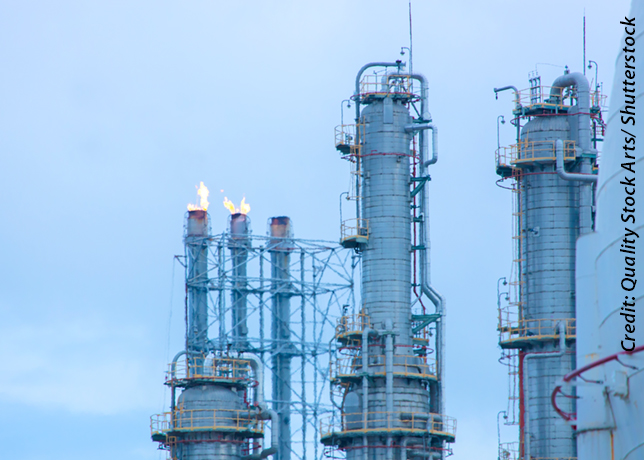

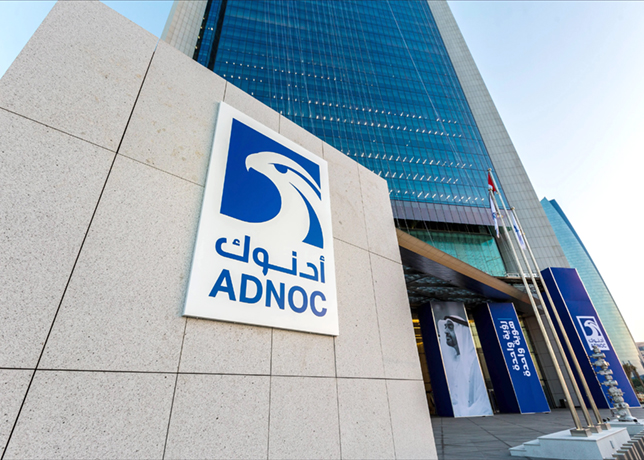






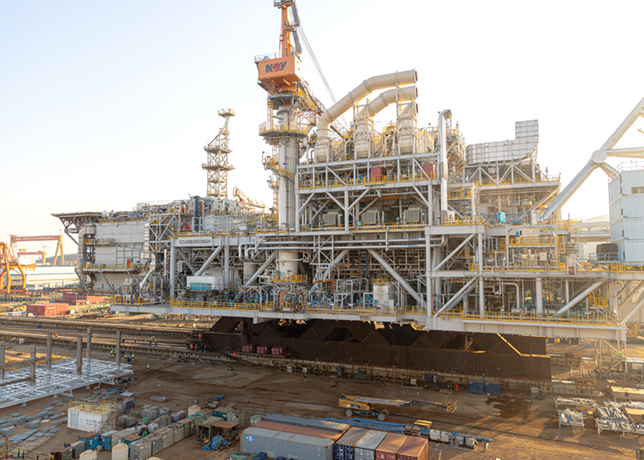

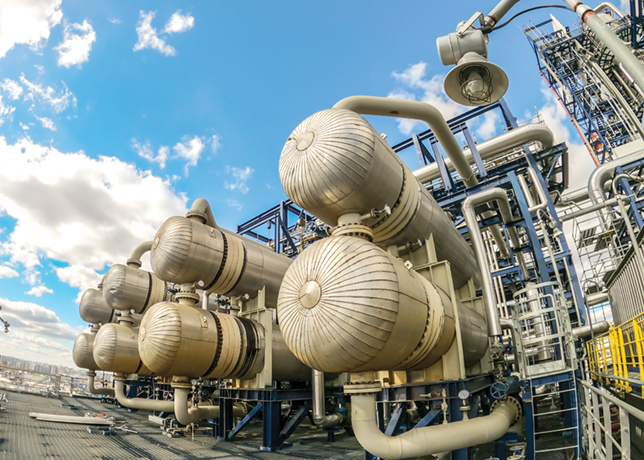



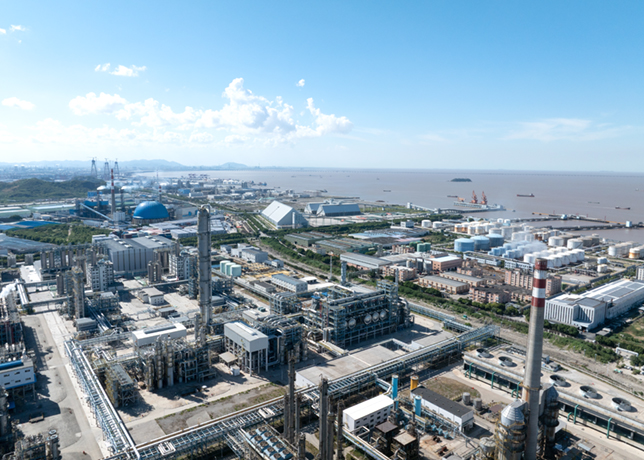


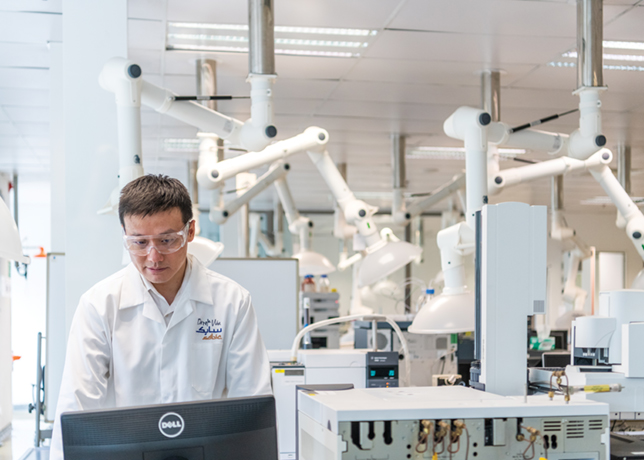

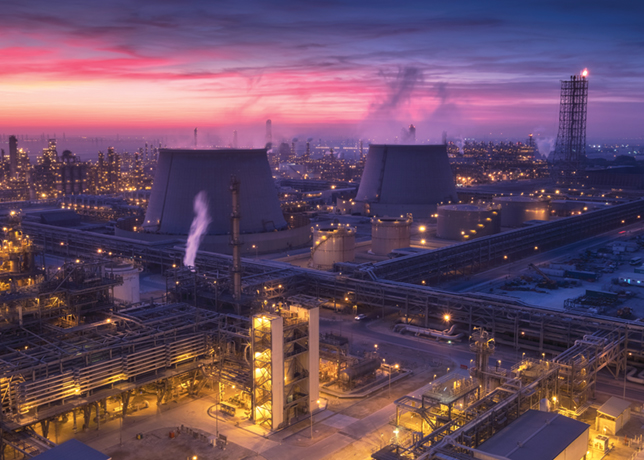
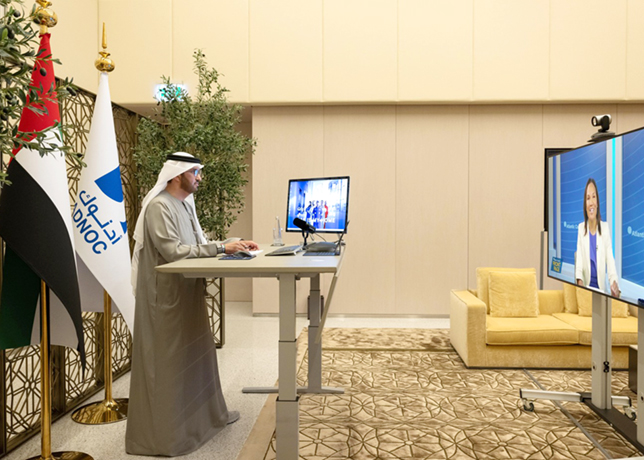

ABU Dhabi Oil Refining Co (Takreer) remains committed to building a new refinery at Ruwais, despite mounting costs and a series of delays that could push start-up back to 2013, at the earliest.
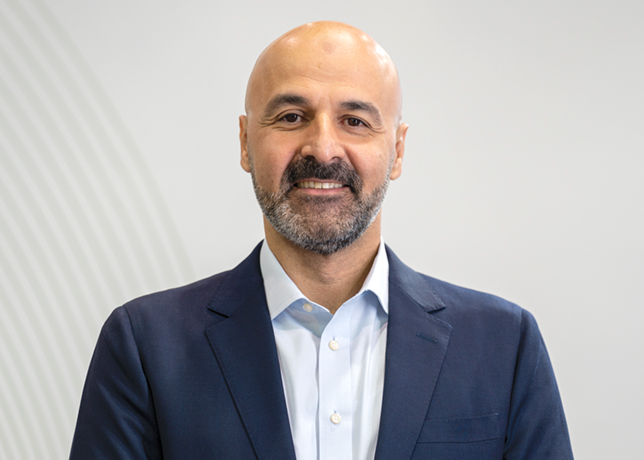
Takreer has now launched front-end engineering and design work for the 417,000 barrel per day (bpd) refinery, general manager Jasem al-Sayegh says.
The work is being done by US engineering and construction firm Bechtel, which won the contract recently. The award had been scheduled for November after already being delayed. Work should be completed by the first quarter of 2009, he says.
The refinery — to be built near Takreer’s existing Ruwais plant — will also be designed to produce 1.1 million tonnes per year (tpy) of propylene to feed a giant petrochemical project being undertaken at Ruwais by Borouge, a joint venture between state-owned Abu Dhabi National Oil Co and Borealis, which is owned by Abu Dhabi’s state-owned International Petroleum Investment Co and Austria’s OMV.
“This project is very important for us,” Al-Sayegh says. “It will enable us to integrate with the petrochemicals project being done by Borouge.”
Al-Sayegh says his “optimistic” plan is to complete the refinery in 2013. Construction will take between 42 and 48 months, he says.
A Takreer source said the new refinery would cost between $5 billion and $7 billion. Al-Sayegh admits the company is “feeling the heat of project cost escalation,” but he would not be pinned down on costs.
Right now, Takreer has about 485,000 bpd of refining capacity in the UAE. It processes 120,000 bpd of crude and 280,000 bpd of condensate at its existing Ruwais facility, as well as 85,000 bpd of crude at its Umm Al-Nar refinery in Abu Dhabi, 280 km away.
Al-Sayegh says a $400 million pipeline linking the existing Ruwais refinery and Umm Al-Nar will start up soon. Takreer has to date used ships to transport naphtha, jet fuel and gasoline between the two refineries, storage facilities and distribution points at Abu Dhabi International Airport and the city of Al-Ain.
Takreer is also pursuing a “green diesel” project to reduce the sulphur content of its gas oil production to 10 parts per million by the end of 2011.


