





























IN AN environment of stiff competition for expertise, equipment, materials and manpower, materials engineering plays a crucial role in building critical projects, introducing new ideas to deal with construction challenges.
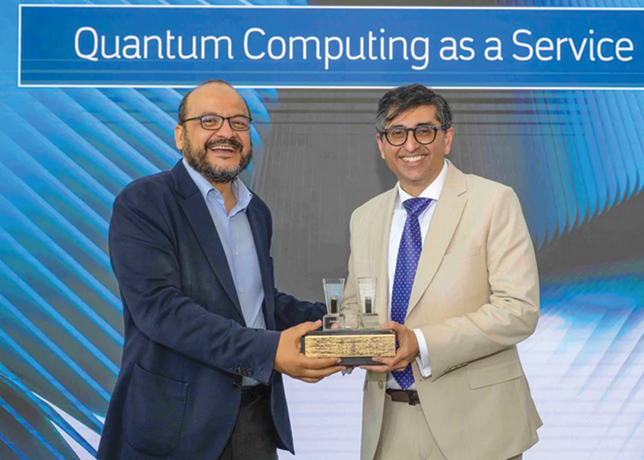
“Sharing materials engineering success stories and knowledge with academia and technology developers is very important,” says Hassan Al-Zahrani, general manager of northern area projects, “not only for learning about current challenges within the industry and finding innovative solutions to those challenges, but also to recognise the efforts of those academics and technology developers within the industry.”
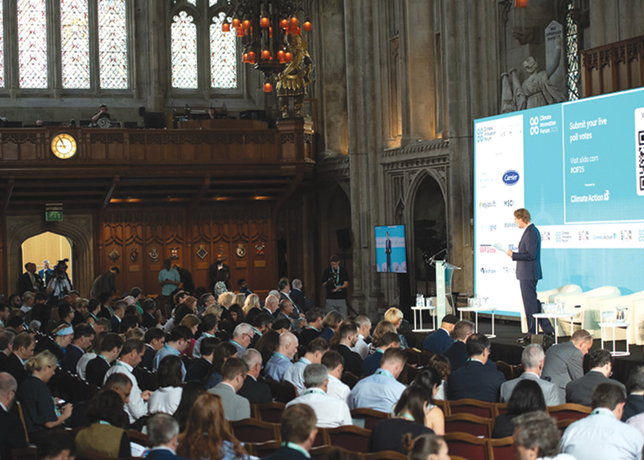
Al-Zahrani, in a keynote speech to academics and technology developers at the International Conference on Advances in Materials and Processing Technology, says poor quality or delays in any phase have direct impacts on the cost and schedule of a project. In construction, when demand for skilled labor is greater than the supply, labour prices escalate and experience drops. These market pressures impact schedules, safety and quality as expertise, material and manpower shortages delay work.
“The materials engineering community plays a major role in helping to address some of these construction challenges,” Al-Zahrani says. Alternatives to metals such as steel are becoming more widely accepted as technology matures and old mindsets shift. Nonmetallics are generally lighter than metals, which gives them many advantages, Al-Zahrani says. “Not only are transportation costs lower, but fabrication, assembly and erection require less equipment and manpower,” he says. “Easier construction translates into cost savings and schedule savings, which are of paramount importance to the construction industry.”
Oil companies, including Saudi Aramco, have taken advantage of nonmetallics in seawater piping, chemical tanks, downhole pipe liners, oil flowlines and jumpovers, water-injection lines, cooling towers, and gratings and handrails for offshore platforms. “Building confidence and experience with these alternative technologies will help in changing construction practices to expand the use of nonmetallic alternatives,” he says.
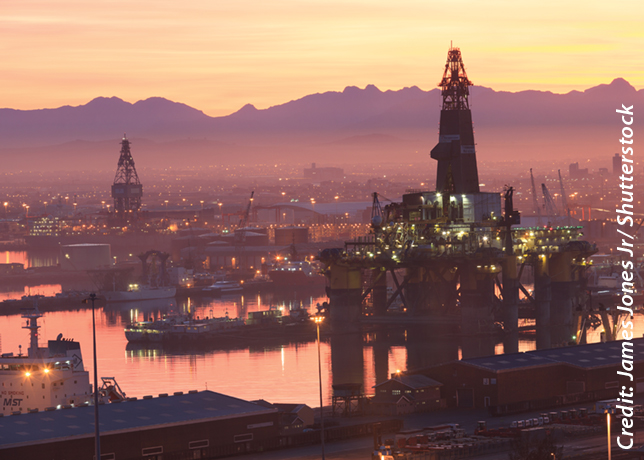
Offshore installations are another area to benefit. The Arabian Gulf is one of the most corrosive environments in the world because of high salinity and temperature. In the past, most offshore facilities frequently had to replace steel gratings. But nonmetallic grating has become a simple and cost-effective solution, and its use there is now standard practice.
Traditional coating systems require multiple layers and adequate space for application. They also have a limited temperature rating, require more curing time and contain solvents that pose environmental and safety risks. “Tremendous advances have been made in protective coatings,” Al-Zahrani says. “Both metallic and organic coatings aid in the construction of our projects.”
New coatings are increasingly being formulated for severe conditions and are increasing the life expectancy of plant equipment operating in high sulphur and temperature environments. And newer coatings are applied faster and cure more quickly, speeding construction time.
Robotic application is being used to eliminate human errors and even further speed up the coating application, he said. New, solvent-free and water-based coatings are helping ensure protection of the environment and human health and safety.
All these developments translate into cost, schedule, safety and quality improvements. Automatic welding is seeing more widespread usage, particularly in pipeline applications. Construction projects benefit from increased productivity and improved quality.


