



















By Abdulaziz Khattak
Alfa Laval is leveraging its global research and development to modernise Kuwait’s mature energy infrastructure through high-efficiency thermal recovery and separation technologies.
Rather than replacing world-class existing assets, the company is deploying retrofit-ready solutions designed specifically for brownfield environments, enabling national operators to enhance process performance, extend equipment lifecycle, and achieve measurable emissions reductions with minimal operational disruption.
Thermal management innovations are proving pivotal in supporting regional net-zero targets and alleviating grid strain during peak summer cooling seasons.
In refinery applications, the wider adoption of Alfa Laval's high-efficiency plate heat exchangers offers potential energy consumption reductions of up to 23 per cent, while its global installed base already reduces customer capacity needs by approximately 100 GW annually through optimized heat transfer.
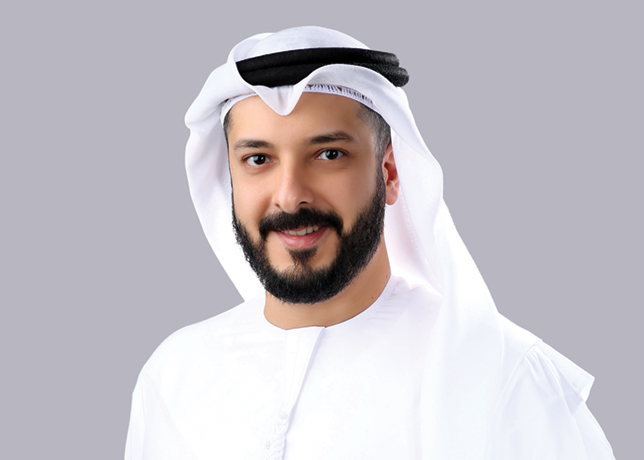
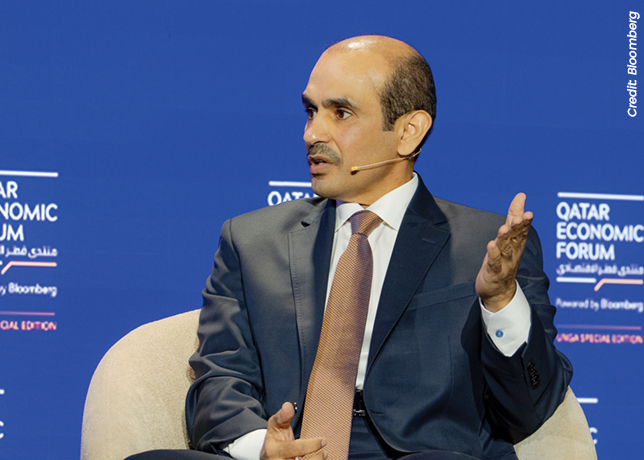
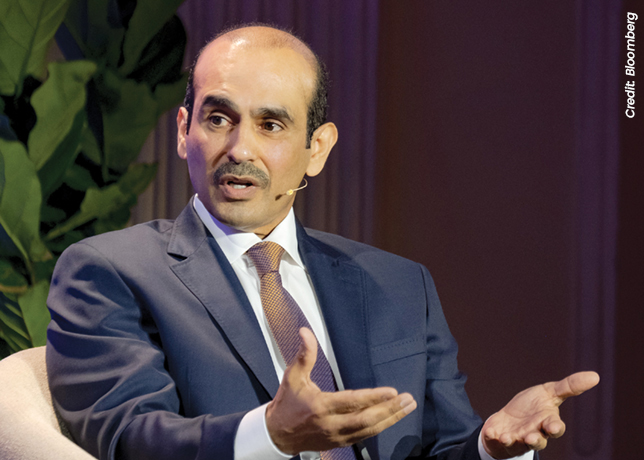
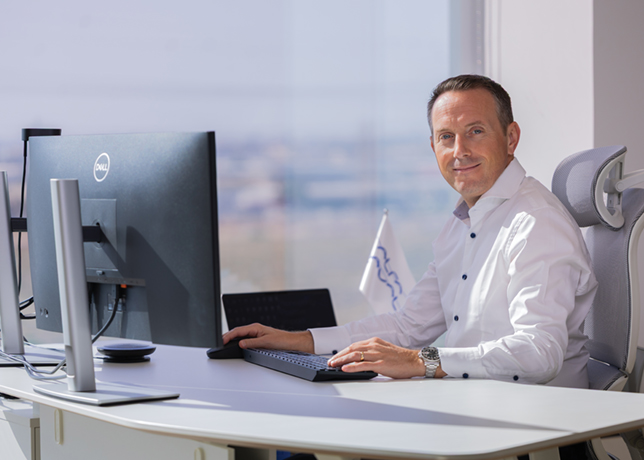
In an exclusive interview with OGN energy magazine, Cedric Domont, President of Alfa Laval Middle East, South and East Africa says: “The organisations that will lead the next phase of industrial growth are those that integrate efficiency, resilience and sustainability into every stage of their operations, not as separate priorities, but as a single business strategy.”
Below are excerpts from the interview:
How is Alfa Laval leveraging its global R&D investment to modernise brownfield assets, ensure operational continuity, and enhance process efficiency across Kuwait’s mature oil and gas infrastructure?
Kuwait’s energy sector has built world-class assets over decades. The next phase of competitiveness is not about replacing these facilities; it is about making them smarter, more efficient, and more resilient.
Alfa Laval invests SEK1.656 billion ($ 171 million) annually in research and development, equivalent to 2.5 per cent of its net sales, with innovation driven from approximately 20 R&D facilities worldwide.
This sustained investment is focused on advancing heat transfer, separation and fluid handling technologies that help customers improve energy efficiency, extend asset life, and optimise process performance.
Much of this innovation is specifically designed for brownfield environments, where operators need measurable improvements without major plant modifications.
Our retrofit-ready technologies, including high-efficiency heat exchangers, advanced separation systems and digital service solutions, can often be integrated into existing process lines with minimal disruption, helping recover more energy, reduce maintenance requirements and improve process stability.
Operational continuity is equally critical.
By enhancing equipment reliability, enabling predictive maintenance and reducing unplanned shutdowns, these technologies help customers maximise uptime while extending the life of existing assets.
For Kuwait, this presents a practical and cost-effective pathway to modernise mature infrastructure while supporting long-term energy security, competitiveness and decarbonisation goal.
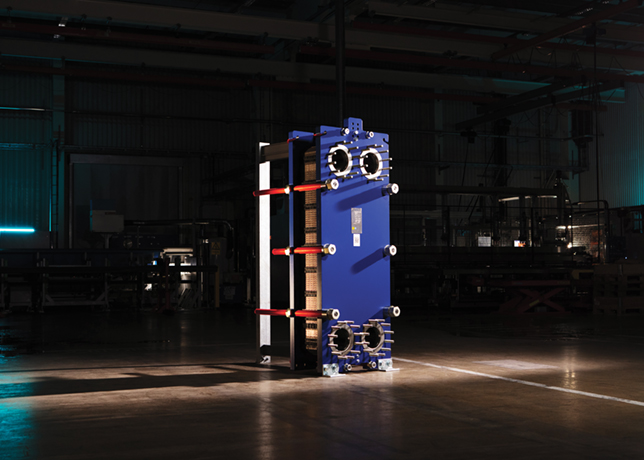
Alfa Laval heat exchangers deliver high thermal performance in a compact footprint optimising energy use, reducing operational costs, and supporting reliable, sustainable processes across industries
With Kuwait targeting net-zero greenhouse gas emissions in its oil and gas sector by 2050, what quantifiable role can your high-efficiency thermal recovery and separation technologies play in reducing industrial carbon intensity?
The fastest route to decarbonisation is often through improving the efficiency of existing processes.
Thermal processes account for a significant share of industrial energy consumption, making heat recovery and efficient heat transfer some of the most effective levers for reducing emissions.
Today, Alfa Laval’s global installed base of heat exchangers reduces customers’ capacity needs by approximately 100 GW every year through more efficient heat transfer and servicing.
This demonstrates the significant impact that optimised thermal management can have on lowering energy demand at scale.
In refinery applications specifically, Alfa Laval’s assessments indicate that the wider adoption of high-efficiency plate heat exchangers could reduce energy consumption by up to 23 per cent.
Combined with advanced separation technologies that maximise product recovery and minimise waste, these solutions help customers improve process efficiency, lower operating costs, and reduce carbon intensity.
As countries, such as Kuwait pursue ambitious net-zero targets, improving the efficiency of existing assets is one of the fastest, most cost-effective and lowest-risk pathways to reducing industrial emissions.
Given that Nouri Group is one of only 26 advanced authorised partners globally, how does this elite, localised relationship insulate your Kuwaiti clients from volatile global supply chain disruptions?
Resilience today depends on strong local capability supported by global expertise.
Our partnership with Nouri Group reflects a long-term commitment to the Kuwaiti market rather than a traditional distributor relationship.
As one of only 26 Advanced Authorised Partners worldwide, Nouri Group has direct access to Alfa Laval’s engineering expertise, technical training, digital tools and product knowledge.
For customers, this translates into faster response times, local technical support, improved spare parts availability, and shorter lead times for maintenance activities.
In industries where every hour of downtime carries significant financial implications, having highly qualified expertise available locally becomes a critical competitive advantage.
It enables customers to maintain operational continuity while benefiting from Alfa Laval’s global innovation network.
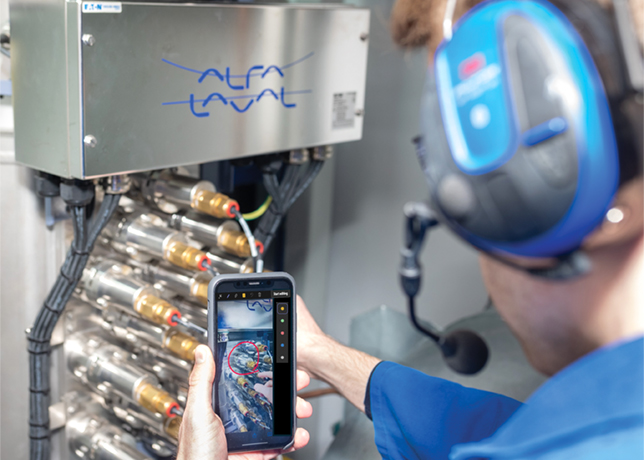
Alfa Laval offers remote service assistance
How do Alfa Laval’s latest clean-tech innovations support the Ministry of Electricity and Water’s efforts to curb domestic energy demand during peak summer cooling seasons whilst helping industrial clients protect their revenue streams?
Cooling accounts for a significant share of electricity demand across the Gulf, particularly during the peak summer months.
Accelerated urbanisation, expanded industrial activity, and emerging data centres have significantly increased cooling requirements.
Improving cooling efficiency has become a national energy priority.
The challenge is no longer simply generating more cooling capacity; it is optimising thermal management to deliver greater efficiency with fewer resources.
This is where Alfa Laval contributes through high-efficiency heat exchangers, district cooling solutions and advanced thermal management technologies that enable utilities and industries to transfer more heat using less energy, helping optimise electricity consumption without compromising performance.
Beyond efficient cooling, we also focus on recovering and reusing thermal energy that would otherwise be wasted.
By integrating heat recovery into industrial processes, customers can reduce overall energy demand while improving operational efficiency, an approach that supports both sustainability ambitions and business performance.
For industrial operators, effective thermal management is directly linked to plant reliability and productivity.
Maintaining stable operating temperatures protects critical equipment, improves process stability, and minimises the risk of costly downtime during periods of extreme heat.
This is particularly important for sectors such as refining, petrochemicals, food processing, and the rapidly growing data centre industry.
Ultimately, supporting national energy efficiency is not only about reducing electricity consumption; it is about building resilient infrastructure that enables long-term economic growth while lowering carbon emissions.
We believe Alfa Laval can make a meaningful contribution through proven technologies, engineering expertise, and long-term partnerships.
As regional clients demand long-term technical collaborations over simple product transactions, how is your local service footprint structured to guarantee fast-response maintenance and lifecycle support for critical infrastructure?
Long-term value comes from partnership, not simply products.
Increasingly, customers are looking beyond equipment ownership towards long-term asset performance and lifecycle optimisation.
In Kuwait, and across the wider Middle East and Africa, Alfa Laval has strengthened its regional service footprint through service centres, highly trained field service engineers, digital diagnostics and authorised service partners to ensure customers receive rapid technical support close to their operations.
We complement our on-site capabilities with Alfa Laval Remote Guidance, which connects customers directly with our technical experts through a secure augmented reality platform.
This enables real-time troubleshooting, guided maintenance and process support, helping customers resolve issues faster, minimise or even avoid downtime, and access specialist expertise without waiting for a physical site visit.
Our service philosophy focuses on maximising plant availability, improving performance and extending equipment life.
Predictive maintenance, condition monitoring, remote guidance and lifecycle services enable operators to plan interventions proactively rather than responding to unexpected failures, improving reliability while reducing operational risk.
Ultimately, enduring partnerships are built not simply on equipment performance, but on operational confidence and the ability to support customers throughout the entire lifecycle of their assets.
Following Tom Erixon’s landmark regional visit, how does Alfa Laval plan to translate global investment confidence into tangible technology transfer, local engineering training, and green hydrogen deployment in Kuwait?
Our CEO, Tom Erixon’s recent visit, reinforced the strategic importance of the Middle East as one of the world’s most dynamic regions for industrial growth and the energy transition.
Technology transfer begins with people.
Alongside delivering advanced technologies, we continue investing in technical capability through customer training, engineering collaboration and knowledge sharing with local partners.
Green hydrogen is one area where Alfa Laval is already contributing through technologies that support electrolysis, heat recovery, cooling, separation, and process optimisation across the hydrogen value chain.
As these projects continue to mature across the region, building local engineering expertise will be just as important as deploying new technologies.
As Kuwait advances its diversification and sustainability agenda, collaboration between industry, academia and government will be essential.
Our role is to bring global innovation while working alongside local stakeholders to build long-term capability, strengthen local expertise, and accelerate the adoption of cleaner industrial solutions.
In highly structured and systematic markets like the GCC, what specific technical benchmarks must your technologies meet to convince national oil companies to accelerate the adoption of brownfield energy-efficiency solutions?
Customers typically evaluate technologies against several key criteria: Energy savings, operational reliability, lifecycle economics, safety, ease of integration into existing assets, and long-term value creation.
Equally important is the ability to demonstrate proven performance under comparable operating conditions.
Brownfield investments must deliver measurable improvements without compromising production or requiring extensive modifications to existing infrastructure.
At Alfa Laval, we believe that achieving these outcomes begins long before a technology is deployed.
Our regional Energy Efficiency Hub works closely with customers to identify energy-saving opportunities, evaluate process performance and provide expert technical consultation on how existing process can be optimised.
By combining engineering expertise with application knowledge, we help customers make informed investment decisions based on measurable operational and sustainability benefits.
Alfa Laval’s technologies have been developed around these priorities for decades.
The objective is not simply to introduce new equipment, but to help customers improve energy efficiency, maximise production availability and reduce lifecycle costs while supporting increasingly ambitious sustainability targets.
Given the extreme summer climates in Kuwait and the wider region, how have your compact heat exchangers been engineered to maintain strict thermal efficiency and prevent unscheduled industrial downtime?
Operating reliably in Gulf conditions requires engineering specifically designed for demanding environments.
Alfa Laval’s compact heat exchangers are designed to deliver high thermal efficiency within a significantly smaller footprint while maintaining performance under challenging operating conditions, including high ambient temperatures and variable process loads.
Advanced plate designs maximise heat transfer while reducing fouling, which helps maintain efficiency over longer operating periods and lowers maintenance requirements.
For customers, this translates into more stable operations, reduced energy consumption, and decreased downtime.
As industrial facilities continue to pursue higher efficiency with lower emissions, reliable heat transfer becomes an increasingly important strategic capability.
With the rapid expansion of GCC data centres driven by regional AI and cloud investments, how is Alfa Laval deploying its specialised liquid and district cooling solutions to address the immense power and thermal constraints of these critical facilities?
The rapid growth of AI, cloud computing and digital infrastructure is transforming data centres into one of the region’s fastest-growing sources of electricity demand.
As computing densities increase, thermal management is becoming just as critical as power availability.
We believe the future of data centre cooling is about applying the right technology to the right application.
As processing demands evolve, so must cooling strategies.
While conventional cooling technologies will continue to play an important role, higher rack densities and AI-driven workloads are creating new requirements that increasingly call for more advanced thermal management solutions.
This is where Alfa Laval is well positioned.
Through our expertise in heat transfer, we support customers with high-efficiency heat exchangers, liquid cooling technologies and district cooling solutions that help reduce energy consumption, improve cooling efficiency and maintain thermal stability, while maximising uptime for mission-critical operations.
Our solutions are designed to help operators lower operating costs, make more efficient use of available space and build cooling infrastructure that can scale alongside future computing demands.
Equally important is designing solutions that align with local sustainability priorities.
Depending on the application, this can include technologies that minimise water consumption, enable the use of natural cooling sources where feasible and optimise overall cooling performance without compromising reliability.
Our approach is not centred on a single technology, but on helping customers build resilient, energy-efficient cooling systems that are tailored to their operational requirements and future growth plans.
Whether that involves enhancing existing cooling infrastructure or supporting next-generation AI and high-density computing environments, our focus remains the same: enabling reliable performance while reducing energy consumption and improving overall sustainability.
As digital infrastructure continues to expand across the GCC, we see thermal management becoming an increasingly strategic enabler of both operational resilience and sustainable growth.
As regional refining and petrochemical giants face strict sustainability mandates, what benchmarks has Alfa Laval established to demonstrate the rapid payback period and commercial viability of its latest decarbonisation technologies?
The economics of sustainability have changed significantly.
Today, customers increasingly expect decarbonisation investments to improve competitiveness as well as environmental performance.
The technologies that gain the fastest adoption are those that simultaneously reduce energy consumption, improve operational performance, and lower total cost of ownership.
In refinery applications, Alfa Laval’s own assessments indicate that the wider adoption of high-efficiency plate heat exchangers could reduce energy consumption by up to 23 per cent, strengthening the business case for decarbonisation by lowering operating costs while reducing carbon intensity.
Increasingly, leading refiners are viewing sustainability not as a compliance exercise, but as a productivity strategy.
Heat recovery, advanced separation, energy optimisation, and digital services all contribute to improving profitability while lowering emissions.
Across the Middle East and Africa, we see strong momentum towards practical, commercially viable decarbonisation.
The organisations that will lead the next phase of industrial growth are those that integrate efficiency, resilience and sustainability into every stage of their operations, not as separate priorities, but as a single business strategy.