






















































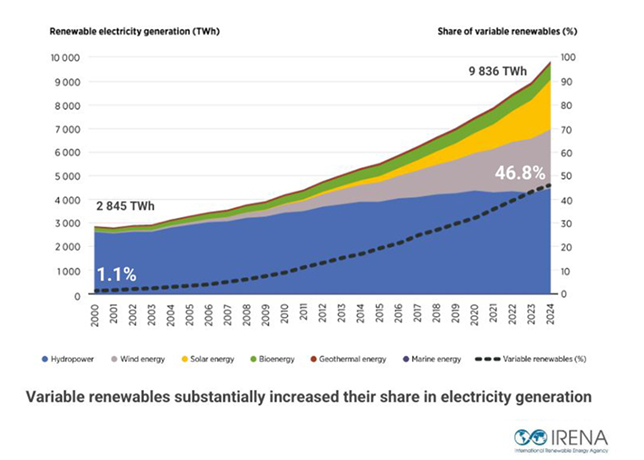
Renewable electricity generation increased by 9.8 per cent in 2024, significantly outpacing the 1.4 per cent growth recorded by non-renewable sources, according to the latest Renewable Energy Statistics 2026 from the International Renewable Energy Agency (Irena).
Renewables accounted for 31.7 per cent of global electricity generation last year, producing 9,836 terawatt hours (TWh).
Irena said the growth highlights the need for rapid expansion of clean power to support global electrification targets.
The incoming COP31 Presidency of Türkiye has set an ambition for electricity to meet 35 per cent of final energy demand by 2035.
Achieving this goal would require renewables’ share of global electricity generation to rise to 78 per cent by 2035, around 2.5 times current levels.
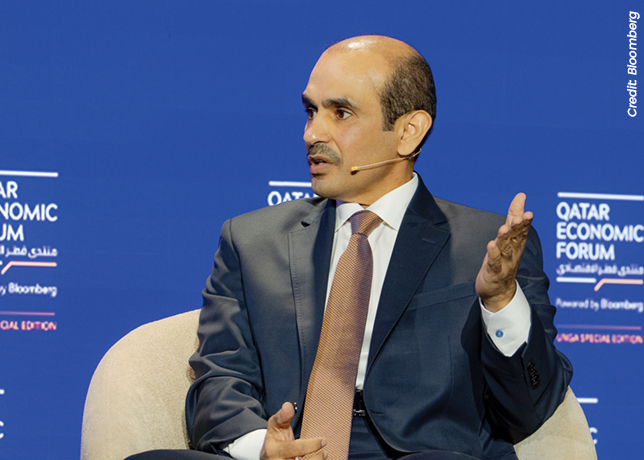
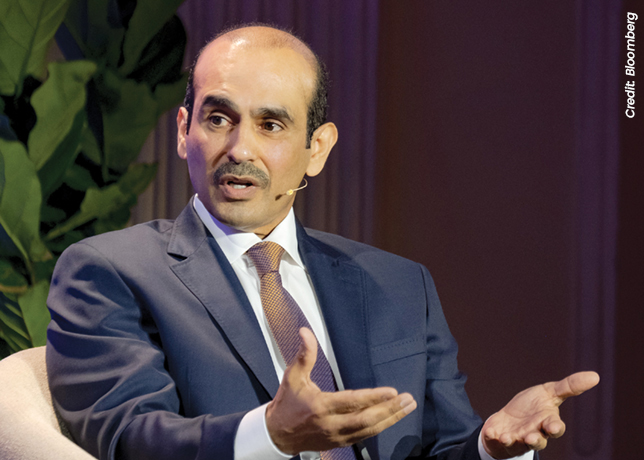
Francesco La Camera, Irena Director-General, said renewable electricity is becoming central to energy security, resilience and competitiveness, but a major acceleration in deployment is needed across buildings, transport and industry to replace fossil fuels.
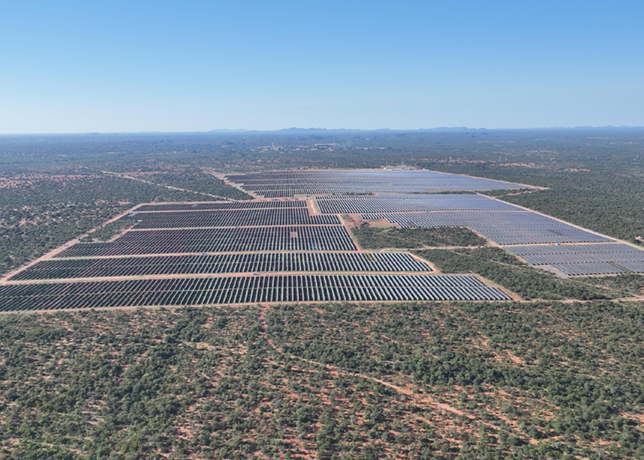
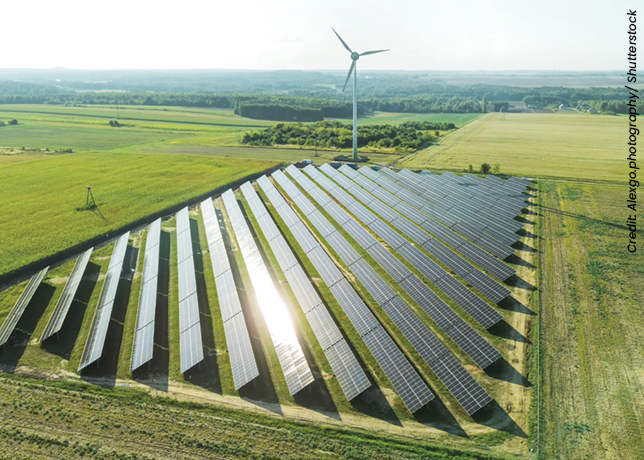
Solar and wind remained the leading contributors to renewable growth.
Asia dominated global renewable generation in 2024, producing 4,589 TWh, a 14.3 per cent increase driven by strong solar and wind expansion.
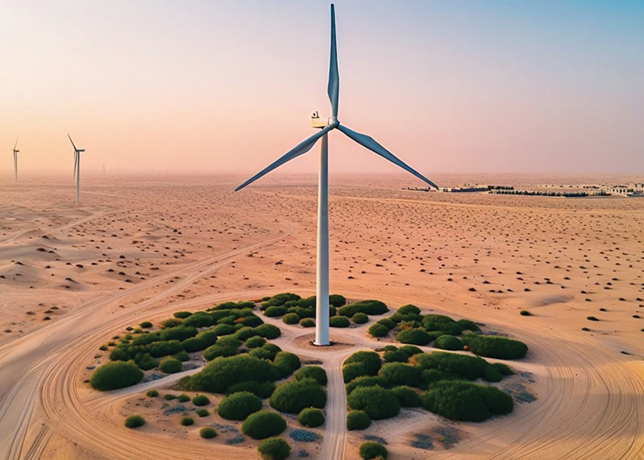
Europe generated 1,758 TWh, up 7.2 per cent, while North America produced 1,535 TWh, up 5.8 per cent. South America recorded 1,047 TWh, while the Middle East posted the fastest regional growth rate at 17.3 per cent.
Irena also reported record renewable capacity additions, with 693 GW added in 2025. Renewable energy accounted for 5.2 TW, or 49.5 per cent of total global installed power capacity by the end of the year.
Although renewables’ share of total capacity additions declined to 85.7 per cent in 2025 from 92.7 per cent in 2024, deployment continued to outpace fossil fuel growth, reinforcing the accelerating shift towards clean energy.