






















SAUDI Aramco is a fully-integrated, global petroleum enterprise and a world leader in exploration and producing, refining, distribution, shipping and marketing.
The company manages proven reserves of 260 billion barrels of crude oil and the fourth-largest gas reserves in the world, at 263 trillion cubic feet.
Saudi Aramco employs more than 54,000 people and is headquartered in Dhahran in Saudi Arabia’s Eastern Province, which borders the Arabian Gulf. Operations span the kingdom, with production and product distribution facilities linking all market areas.
Major export shipping terminals are located at ports on the Arabian Gulf and the Red Sea, while domestic demand for automotive and aviation products is met through a kingdom-wide network of strategically situated refineries.
Internationally, Saudi Aramco holds substantial joint venture and investment interests in refining and marketing activities in the US, the Republic of Korea, Japan and China. Key market service support offices are located in major cities in North America, Europe and the Far East.
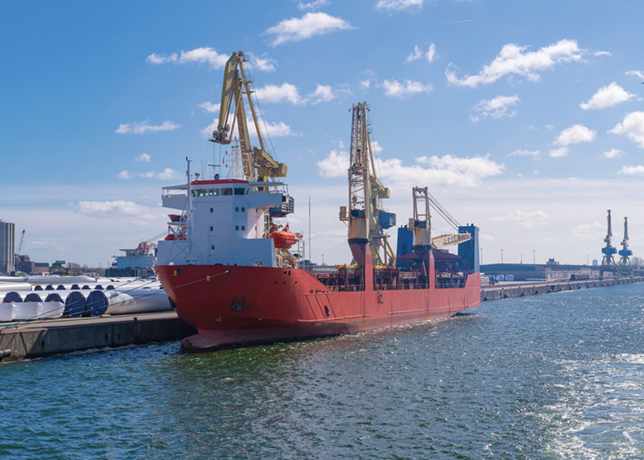
Saudi Aramco, through its affiliate Vela International Marine, owns and operates one of the world’s largest tanker fleets, which transported crude oil and refined products, internationally and domestically, amounting to 892 million barrels in 2008.
Saudi Aramco stands committed to providing a reliable supply of petroleum and petroleum products to communities and consumers around the globe.
Throughout its history, Saudi Aramco has never failed, due to operational reasons, to meet a delivery commitment to a customer. The company’s ability to bring its spare capacity on stream in response to market needs has been repeatedly proven over the years.
The foundation for the company’s success lies deep underground, with the kingdom’s extensive oil and gas reserves. Saudi Arabia has stewardship over the world’s largest conventional crude-oil reserves, approximately 260 billion barrels, and the planet’s fourth-largest natural-gas reserves, approximately 263 trillion standard cubic feet. Given their immense size, prudent stewardship of these reserves is vital to the world’s energy future.
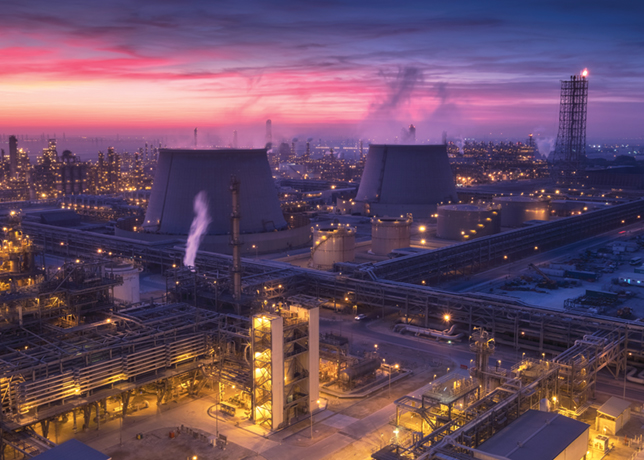
Saudi Aramco’s reservoir management practices are designed to maximise recovery from its fields, ensuring that petroleum resources will be available to the world for many decades to come. The company operates an extensive system of crude oil producing and processing facilities, which supply normal customer demand while maintaining 1.5 million to 2 million barrels per day (mbpd) of valuable spare capacity to meet unexpected international demands.
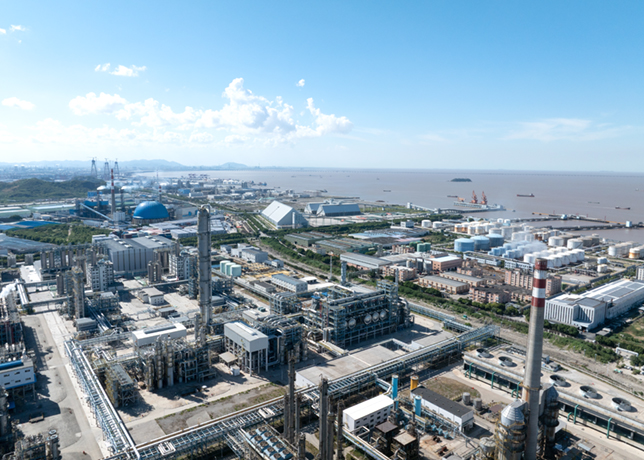
Domestically, Saudi Aramco owns equity in, owns and operates, or is a partner in, seven refineries with a combined refining capacity of 1.7 mbpd and maintains a kingdom-wide refined product distribution system. The company also operates eight marine terminals on the Red Sea and Arabian Gulf coasts, exporting crude oil products and natural gas liquids to overseas markets.
Saudi Aramco’s oil operations encompass Saudi Arabia, including territorial waters in the Arabian Gulf and the Red Sea. Totalling more than 1.5 million sq km, this area is larger than the combined areas of Texas, California, Oklahoma and Utah, or of France, Spain and Germany. Most production comes from fields in the coastal plains of the Eastern Province, in an area extending 300 km north and south of Dhahran.
Worldwide, gas is the fastest-growing energy source. Over the last decade, world gas consumption has grown 1.7 per cent per year and is expected to accelerate at a rate of 3.2 per cent per year over the next 20 years. Saudi Arabia discovered the merits of gas as a valuable resource in the 1970s, well before any other hydrocarbon-rich nation in the Middle East. The kingdom’s master gas system (MGS) was launched in the 1980s to capture and utilise, rather than flare, this important energy resource.
COMPANY HISTORY
The Saudi Aramco story began in May 1933 with the signing of a concession agreement between the government of Saudi Arabia and Standard Oil Company of California (Socal), predecessor of Chevron. The agreement was signed in Jeddah by Shaikh Abdullah Al-Sulaiman, the Saudi Arabian Minister of Finance, and lawyer and land-lease expert Lloyd N Hamilton, acting on behalf of Socal.
Socal passed this concession to a wholly owned subsidiary named the California-Arabian Standard Oil Co (Casoc). In 1936, The Texas Company (later known as Texaco) purchased a 50 per cent stake in the concession.
The first commercial oil discovery came in 1938 with the seventh well drilled in Dammam, an area located a few miles north of Dhahran. The well, referred to as Dammam No 7 (and known as Prosperity Well), immediately produced more than 1,500 barrels per day, giving the company the confidence to continue and flourish.
The company name was changed in 1944 to the Arabian American Oil Company (Aramco). In 1948, Socal and The Texas Company were joined as investors by Standard Oil of New Jersey (the predecessor of Exxon), which purchased 30 per cent of the company, and Socony Vacuum (the predecessor of Mobil), which purchased 10 per cent, leaving Socal and The Texas Company with equal 30 per cent shares each.
Between 1973 and 1980, the Saudi Arabian government acquired an economic interest in Aramco’s operations in stages. In 1980, essentially all of Aramco’s assets were transferred to the government. From that time until 1988, Aramco operated the assets on behalf of and for the benefit of the government. In November 1988, the Saudi Arabian Oil Company was created by Royal Decree, and the company formally changed its name to Saudi Aramco.
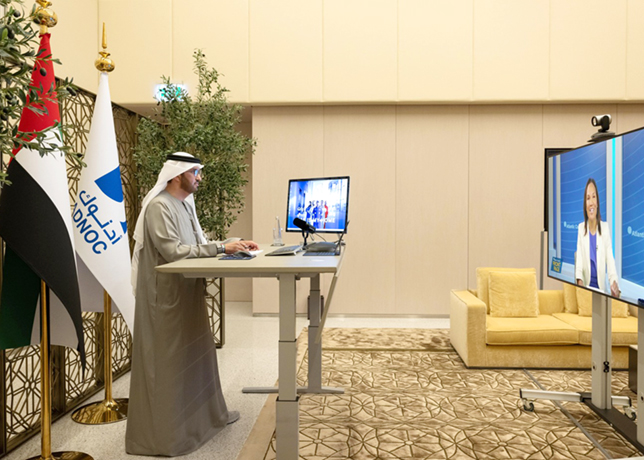
Today Saudi Aramco reports to its owner, the Saudi Arabian government, through the Supreme Council for Petroleum and Minerals Affairs, chaired by the Custodian of the Two Holy Mosques King Abdulla bin Abdulaziz Al Saud. The Supreme Council, whose members are drawn from the government and the private sector, sets the company’s broadest policy and objectives. To accomplish its mission, Saudi Aramco is organised into key business areas, each headed by a member of corporate management.
In pursuit of the Saudi government’s policy of reducing dependence on outside expertise, Saudi Aramco has achieved 85 per cent Saudisation of its work force. The company now boasts a highly trained cadre of Saudi employees, professional staff and management. Saudis currently hold most of the company’s top management positions.
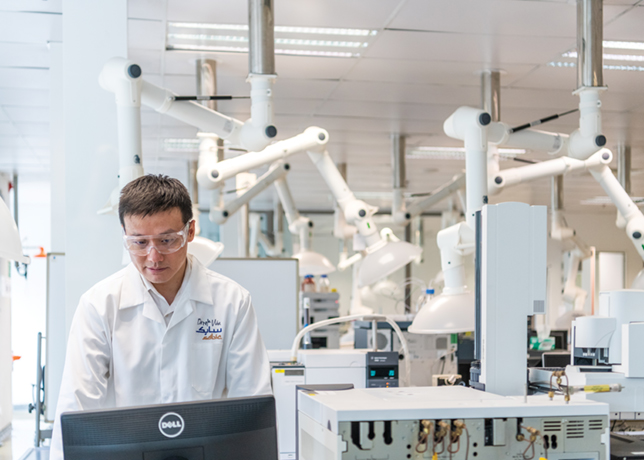
People remain Saudi Aramco’s most valuable asset. Its diverse work force of more than 54,000 employees represents more than 50 nationalities (about 15 per cent are expatriates) and brings a wide range of professional and technical disciplines together to meet the challenges of a global energy enterprise.
Saudi Aramco places Saudi employees in its many operations and offices in North America, Europe and Asia, where they gain valuable experience for their own careers and for the long-term benefit of the company and the kingdom.
As an enterprise whose operations impact the lives of billions of people around the world, it is imperative that Saudi Aramco continues to identify and groom new generations of leadership. Each year, managers and division heads apply a rigorous assessment procedure to identify high-potential individuals. This process complements the company’s corporate, management and supervisor assessment centers, run by independent experts, where the leadership potential of candidates is tested through a series of demanding simulations. More than 2,250 participants have undergone assessment through these centres.
 |
|
Aramco ... completing mega-projects |
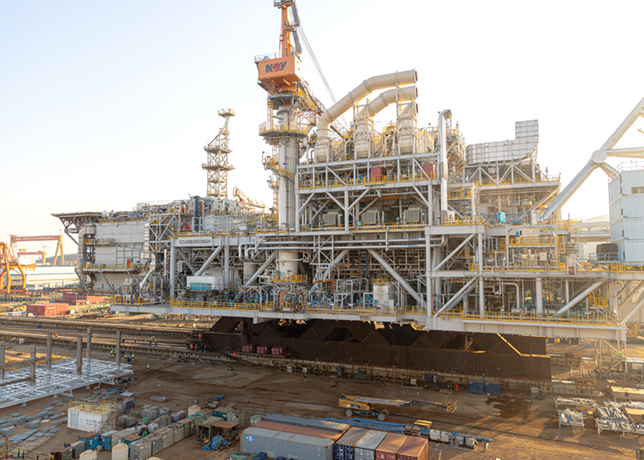
Saudi Aramco pursues a pair of intertwined objectives: to be the world’s most reliable supplier of energy and to continue to strengthen and diversify the local economy. In pursuit of these objectives, Saudi Aramco has embarked on a series of mega-projects.
These projects range from expanding crude-oil and natural gas production capacity to new refining, petrochemical and marketing ventures.
Of the five mega-projects Saudi Aramco has executed in the last 10 years, two were recipients of the Project Management Institute’s prestigious Project of the Year award, and one was honoured at the 2005 International Petroleum Technology Conference.
A key factor in the company’s success with mega-projects has been the broad cooperation of corporate Project Management personnel with internal stakeholders and contractors to deliver these projects. The cooperative spirit means that integrated teams resolve technical issues swiftly, optimise scope, streamline design reviews and achieve full control of the quality and schedule.
Another major contributor to the success of these projects has been the use of Best Practices – in value engineering, planning for startup, benchmarking, scope definition and control, and the formal use of lessons learned – to promote excellence.
Saudi Aramco has a 70-year history of successful project execution. In 1977, Aramco started managing its projects with a dedicated internal organisation. The first mega-project was a very large gas collection and distribution programme – known as the MGS – designed to provide Saudi Arabia with natural gas as a commercial resource.
Since 1998, Saudi Aramco has completed five mega-projects. The Ras Tanura Refinery upgrade project pioneered the way for mega-projects, and the lessons learned from that project have been applied to subsequent projects, resulting in the other four being completed below budget and on or ahead of aggressive schedules. With the rising demand for oil, Saudi Aramco has significantly increased its capital programme, and today has six active corporate mega-projects and three joint-venture mega-projects in various stages.
Among them are Hawiyah, Khursaniyah, Khurais, Shaybah and Manifa – which by 2011 will increase oil production capacity by 2.85 mbpd, sales gas by 1.4 billion cubic feet per day (bcfd), ethane production by 450 million cfd, and condensate by 325,000 bpd.
MEGA-PROJECTS OVERVIEW
Mega-projects in Saudi Aramco are generally defined as projects or programmes exceeding $1 billion in value. The projects listed here are the company’s largest to-date:
• Ras Tanura Refinery Upgrade Project (1991-1998): The RTR Upgrade Project changed the refinery configuration from a 300,000 bpd topping plant to a full conversion refinery including a hydrocracker, a visbreaker, a naphtha hydrotreater and atmospheric catalytic conversion reformer (the largest in the world at the time). Utility upgrades included a hydrogen plant, new steam system and water disposal.
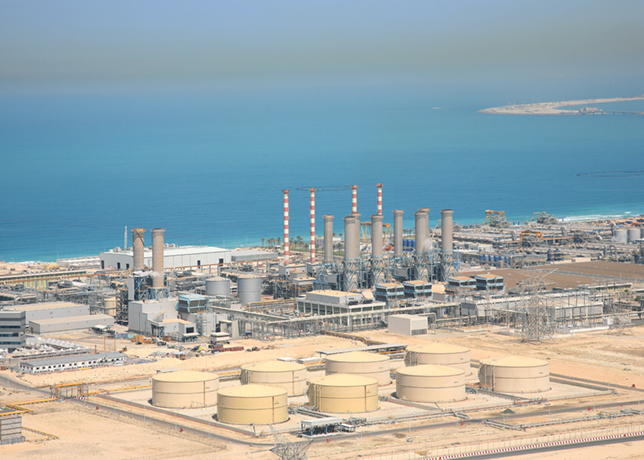
• Shaybah Field Development (1995-1998): The Shaybah field facilities were designed to process 500,000 bpd of Arabian Extra Light crude from the Shaybah field, deep in the Rub Al-Khali (Empty Quarter) desert. The oil is transported from the field to Abqaiq Plants in a 640 km pipeline constructed as part of the development. Because of the field’s remoteness, water and gas are reinjected into the reservoir to maintain pressure.
• Hawiyah Gas Plant (1997-2001): The Hawiyah Gas Plant provided facilities to process 1.6 bcfd of nonassociated sour gas from the high-pressure Khuff and Jauf gas reservoirs on the south end of the Ghawar field. Gas plant facilities included gas-condensate separation, acid-gas removal, dehydration and sales gas recompression.
• Haradh Gas Plant (1999-2003): The Haradh Gas Plant has a design capacity of 1.6 bcfd of combined raw feed of Khuff sour and sweet gas and Unayzah sweet gas to deliver 1.5 bcfd of dry sweet gas to the MGS. The plant consists of two gas-sweetening and three sulphur-recovery trains, two condensate stabilisers, two sour-water strippers and four gas processing trains for gas dehydration, dew point control and sales gas compression. The plant recovers 170,000 bpd of hydrocarbon condensate and 90 metric tonnes per day of elemental sulphur.
• Qatif Field Development (2001-2004): The Qatif Programme provided facilities for processing 500,000 bpd of Arabian Light and 300,000 bpd of Arabian Medium crude oil. The facilities also were designed to process 370 million standard cubic feet per day (mmscfd) of associated gas and 40,000 bpd of condensate. All crude is desalted, stabilised and processed, then shipped to Juaymah and Ras Tanura terminals for direct export.
• Hawiyah NGL Recovery Programme (2003-2009): The Hawiyah NGL Recovery Plant will process 4 billion standard cubic feet per day of sales gas from Hawiyah and Haradh gas plants to yield 310,000 bpd of ethane and natural gas liquids. The programme will also expand the existing Hawiyah Gas Plant by 800 mmscfd, install or expand pipelines for product shipments to Jubail and NGL to Ju’aymah Gas Plant, and expand Juaymah NGL fractionation facilities.
• Khursaniyah Field Development (2005-2009): The Khursaniyah Programme facilities will process 500,000 bpd of Arabian Light crude oil and 1 billion standard cubic feet per day of associated gas in a new grassroots gas plant. The output of the gas plant will include 280,000 bpd of condensate. The new facilities will also include new industrial support facilities. Due to the increased international demand for oil, Saudi Aramco decided to accelerate the development of these fields using new contracting strategies for the GOSP and the gas plant. Engineering, procurement and construction (EPC) contractors provided proposals based on an enhanced design basis and uplifts for engineering and procurement with a provision to convert the contracts to lump-sum turnkey (LSTK).
• Khurais Field Development (2005-2009): The Khurais Programme built facilities designed to produce 1.2 mbpd of Arabian Light crude through a new Central Processing Facility (CPF), the largest of its kind in Saudi Arabia, near the town of Khurais. A new gas plant will treat the associated gas, producing 70,000 bpd of condensate and 420 mmscfd of gas. The programme will also provide 4.5 mbpd of seawater for injection to support the increased production from Khurais and Ghawar fields. The seawater-injection pipeline network will consist of 920 km of 48-60 inch pipe. In addition, the programme will increase the existing East/West NGL pipeline capacity from 425,000 bpd to 555,000 bpd to manage the increased NGL produced at Khurais.
• Shaybah Field Expansion (2005-2009): The Shaybah crude expansion programme is designed to increase Arabian Extra Light crude oil production capacity from the current 500,000 bpd to 750,000 bpd. The programme includes installation of a new GOSP and expansion of gas compression and injection facilities. A major oil pipeline loop will provide the increased capacity.
• Manifa Field Development (2006 – 2015): Under the Manifa Programme, Saudi Aramco plans to install central facilities at Manifa to process 900,000 bpd of Arabian Heavy crude oil. The Manifa Central Processing Facility (CPF) will include gas and oil separation, wet crude handling, gas compression, gas conditioning, crude oil stabilisation, produced water disposal and water injection facilities. The CPF will be designed to process 900,000 bpd of crude oil; approximately 120 mmscfd of associated gas and 500,000 bpd of hydrocarbon condensate will be produced by this crude increment.


