










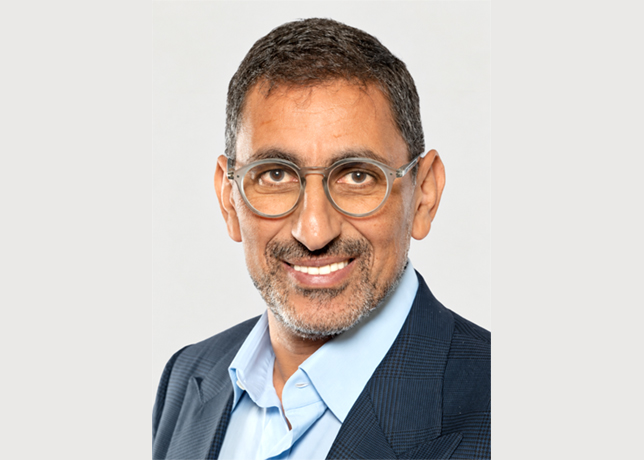




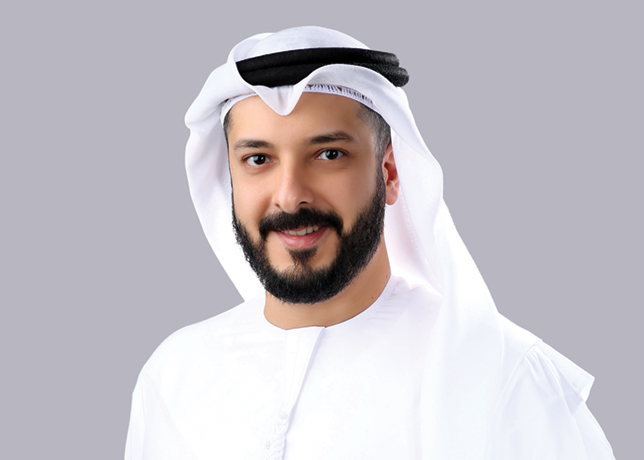










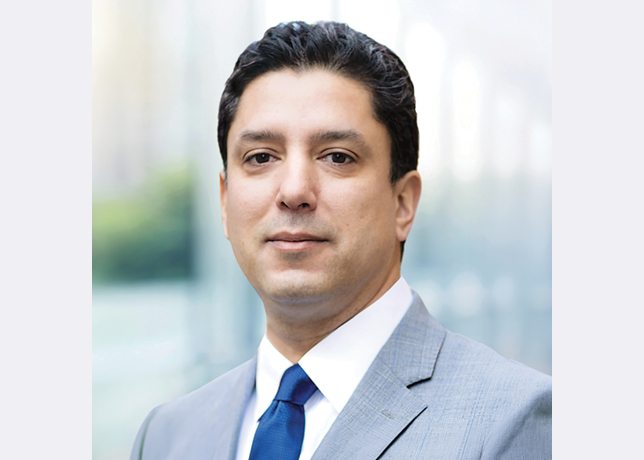



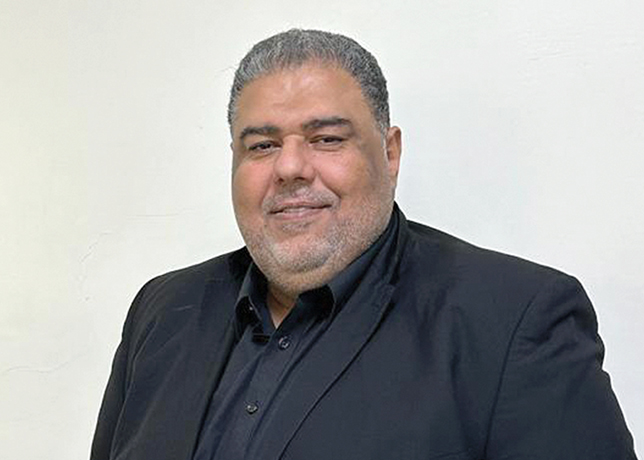








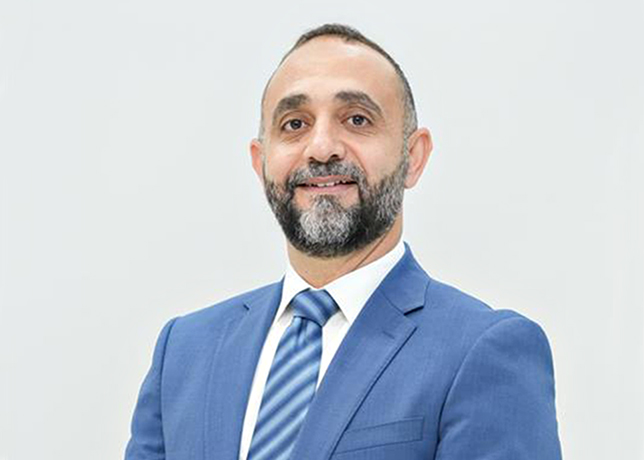
The company’s strategy is to help Kuwait integrate solar power, modernise infrastructure, manage peak demand, and achieve long-term resilience, sustainability and economic returns, Ahmad Shafik tells OGN
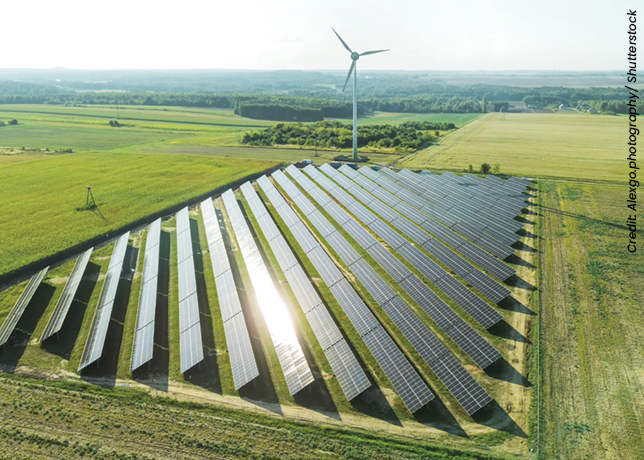
Kuwait's push to integrate large-scale solar power presents complex technical challenges, from grid intermittency to declining system inertia.
In an exclusive interview with OGN energy magazine, Ahmad Shafik, Managing Director for the Gulf and Near East at Hitachi Energy, says HVDC, Grid-enSure™, synchronous condensers and STATCOMs are engineered to stabilise frequency and voltage, enhance flexibility, and enable reliable renewable integration at scale.
As digitalisation accelerates, cybersecurity and resilience are equally critical. The company applies a defence-in-depth approach across control centres, substations and communications, embedding security throughout the asset lifecycle.
Grid automation, SCADA, and AI-driven Asset Performance Management further strengthen reliability during extreme heat and peak summer demand.
Below are excerpts from the interview:
How are Hitachi Energy’s core technologies, such as HVDC and advanced power electronics, engineered to allow Kuwait’s grid to reliably accommodate large volumes of solar power?
High-voltage direct current (HVDC) is one of our core technologies and a driver for a carbon-neutral energy system, enabling the integration of renewables and interconnection of grids.
Our Grid-enSure™ portfolio combines power electronics and advanced control systems to enhance flexibility, resilience and stability, specifically addressing issues such as frequency variations, voltage control and capacity constraints that arise with large-scale wind and solar integration.
The Synchronous Condenser Systems and STATCOM technologies collectively enable Kuwait’s grid to reliably accommodate large volumes of solar power by enhancing grid stability, reducing losses, and providing robust support for frequency and voltage regulation.
How does your comprehensive portfolio of grid automation and APM software directly enhance the resilience and reliability of the Kuwaiti power network, particularly during peak summer months?
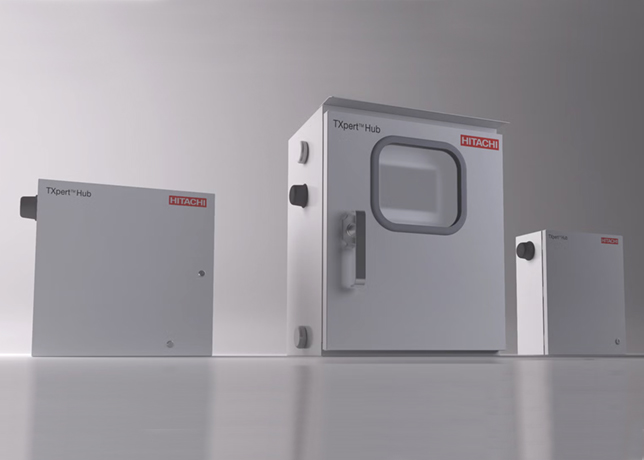 |
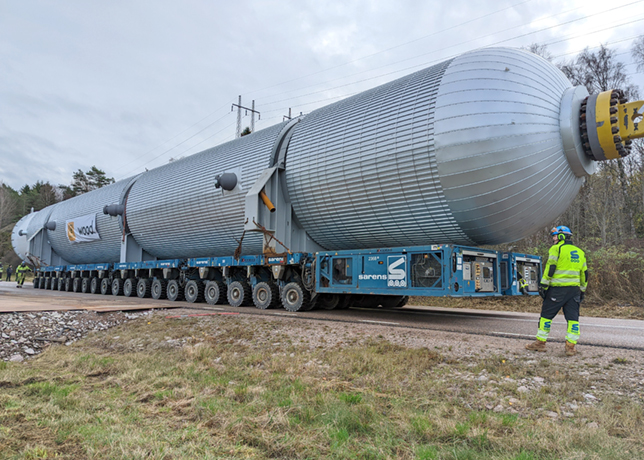
TXpert provides actionable insights to prevent power failures and increases uptime |
Our grid automation solutions deliver high availability and performance for critical operations, while advanced monitoring and control (real-time SCADA and distribution automation) enables remote grid management for stability and reliability.
Asset performance management (APM) uses AI-driven analytics to process real-time data, predict failures, and optimise maintenance and capital planning, reducing risk and improving uptime.
Combined with our asset and work management portfolio, we support lifecycle management, real-time work execution, and minimise downtime.
Energy efficiency and power quality solutions enhance power factor, reduce losses, and increase transmission capacity.
What protective measures or software solutions is Hitachi Energy providing to ensure the security and resilience of Kuwait’s critical power infrastructure?
As power systems digitalise, Hitachi Energy delivers end-to-end cybersecurity solutions for control centres, communication networks, and substation automation systems using a "defence-in-depth" approach.
Cybersecurity is embedded across the full lifecycle from design and development to operations through our Security Development Lifecycle and secure-by-design practices.
We comply with international standards like IEC 62443-2-4 and ISO 27001 to ensure secure delivery of systems and services.
Our culture promotes secure product design, and our assurance programs and certifications demonstrate our commitment to high cybersecurity standards.
Additionally, our software and industry services, delivered with world-class partners, safeguard critical infrastructure and ensure reliability of mission-critical systems.
How has your deep local knowledge of the Gulf market influenced the deployment and customisation of your solutions, compared to those developed for European markets?
Hitachi Energy has supported Kuwait’s power infrastructure for over 40 years and continues to strengthen regional energy security through projects linking neighbouring grids.
Our utility-grade communications solutions are designed for environmental adaptation, ensuring reliability under extreme conditions.
We integrate regulatory compliance with environmental laws into every project and deliver tailored solutions such as advanced grid automation and APM software to enhance efficiency and reliability during peak demand.
With deep cultural and market insights and long-standing local relationships, we adapt business models to regional dynamics.
While EU markets emphasise interconnectivity and renewables, Gulf priorities centre on resilience and operational efficiency, areas where our solutions excel.
Engagement initiatives like Kuwait’s High Voltage Day showcase our commitment to sustainability, digitalisation, power quality, and service.
Beyond grid infrastructure, what role do eco-efficient solutions, such as your EconiQ® portfolio, play in reducing the overall environmental footprint of utilities in Kuwait?
EconiQ® is our eco-efficient portfolio of products, services, and solutions designed to deliver exceptional environmental performance and support the green energy transition.
In high-voltage applications, EconiQ eliminates SF6 and improves transmission efficiency, enabling sustainable energy solutions for a carbon-neutral future.
Through EconiQ Consulting and Implementation services, we help customers assess the environmental impact of grid projects, define actions to reduce it, and compensate for remaining emissions.
These technologies promote lifecycle environmental performance and sustainable resource use, reducing waste and carbon footprint in line with global sustainability goals.
Additionally, EconiQ supports renewable integration such as solar and wind helping Kuwaiti utilities transition from fossil fuels to renewables and systematically modernise their networks while minimising environmental impact.
From a commercial standpoint, how do your solutions offer a compelling long-term cost-benefit and return on investment to utilities focused on maximising hydrocarbon exports?
Hitachi Energy’s solutions deliver a strong long-term cost-benefit and ROI for GCC utilities, which aim to maximise hydrocarbon exports while transitioning to renewables.
We improve efficiency and reliability across the asset lifecycle, enabling cost optimisation through APM software that predicts failures, optimises maintenance and investment decisions, and extends asset life to reduce risks and avoid outages.
Grid Automation Shield ensures predictable service costs, proactive lifecycle support, and regular security updates for better budget planning and reduced obsolescence.
Through strategic partnerships and innovation, we collaborate to deploy state-of-the-art technologies at scale, accelerating the green energy transition while supporting operational and economic goals.
How is Hitachi Energy supporting Kuwaiti utilities in upskilling their local workforce to effectively operate and maintain these sophisticated, digital systems?
CIGRE Gulf serves as a regional platform for professionals, researchers, policymakers, and technology leaders to exchange insights, tackle emerging challenges, and showcase advancements in power systems supporting continuous knowledge-sharing with our Kuwaiti partners.
Beyond events, Hitachi Energy strengthens capabilities through competence and awareness programs, structured training modules, and a global learning management system (LMS) to ensure workforce readiness of utility customers.
Our digital transformation solutions, combined with strategic partnerships and collaboration, enable secure, efficient operations.
These efforts are backed by global engineering and service centres providing lifecycle support, consulting, remote assistance, and expertise in grid automation and cybersecurity.
Once Kuwait has made significant progress towards its renewable goals, what will be the single most noticeable, positive change in the day-to-day operations or management of the national power grid, driven by your company’s technology?
Our purpose is to inspire the next era of sustainable energy, making energy systems more sustainable, secure, resilient, and affordable while expanding access to electricity.
The most noticeable positive change in day-to-day operations will be enhanced digitalisation and automation of the grid, driving increased flexibility and reliability, optimised energy management, and improved asset management.
These advancements also strengthen safety and security and enable seamless integration of renewable energy.
By 2030, as Kuwait progresses toward its renewable targets, we aim to support a more reliable and efficient power grid that connects traditional infrastructure with intelligent, data-driven solutions creating a flexible, future-ready energy system.
Hitachi was a Gold Sponsor at CIGRE Gulf 2025, showcasing innovations like Smart Digital Electrical Substations. How are these specific advancements are helping Kuwaiti utilities modernise their aging infrastructure and improve operational efficiency?
As a Gold Sponsor at CIGRE Gulf 2025 in Kuwait, we showcased advanced solutions for building efficient, sustainable, and digital power networks.
Our digital substation and high-voltage portfolio enable utilities to integrate renewables, upgrade substations, and optimise performance across generation, transmission, and distribution.
These substations leverage digital technologies to deliver real-time data and analytics, improving situational awareness and decision-making.
At the event, we also showcased our TXpert™-enabled digital transformer, which provides actionable insights that prevents power failures and increases uptime.
We apply the same approach with digital substation solutions to help utilities modernise aging infrastructure, enhance operational and energy efficiency, and strengthen safety and security, critical steps toward ensuring a reliable and secure energy supply.
By Abdulaziz Khattak