






















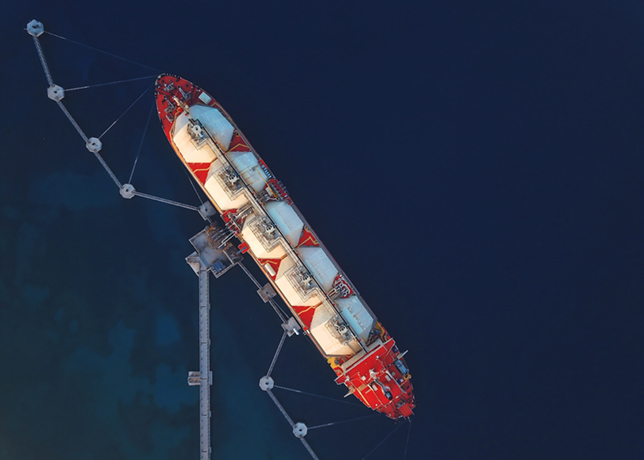

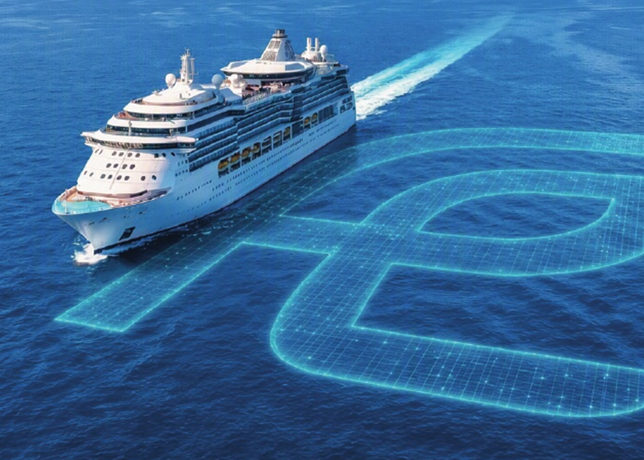







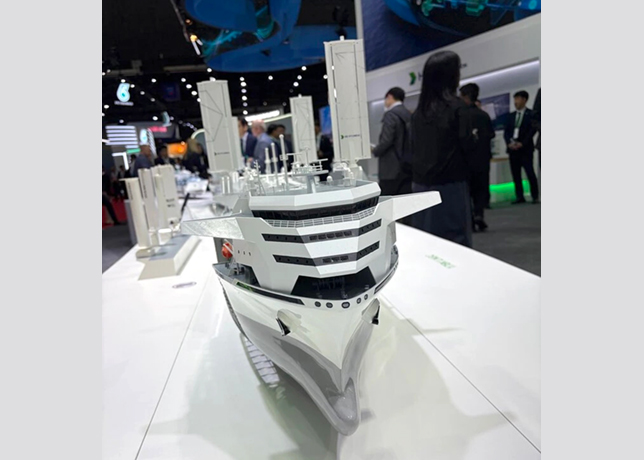
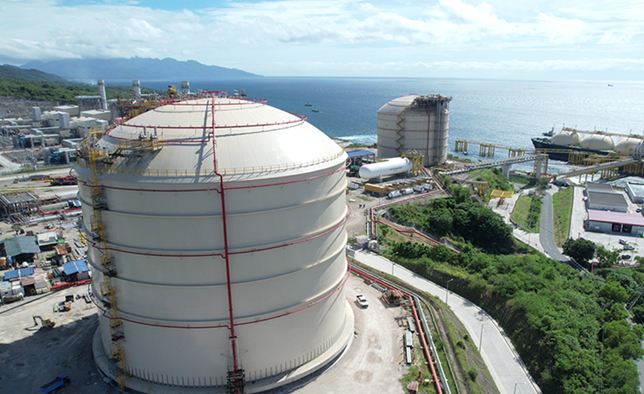
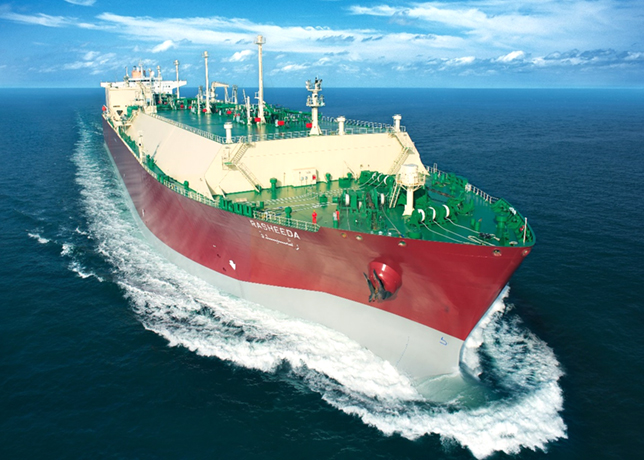
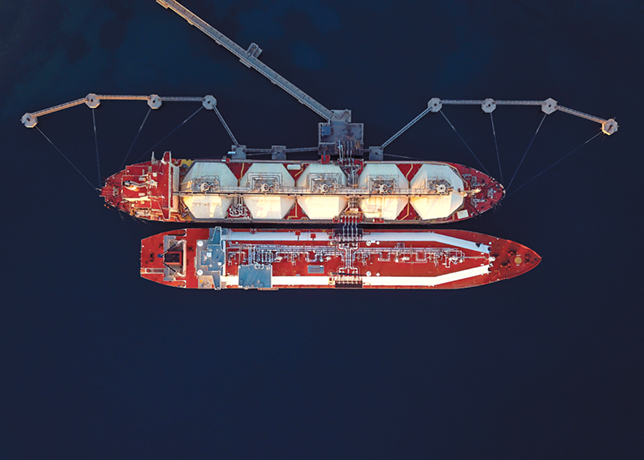



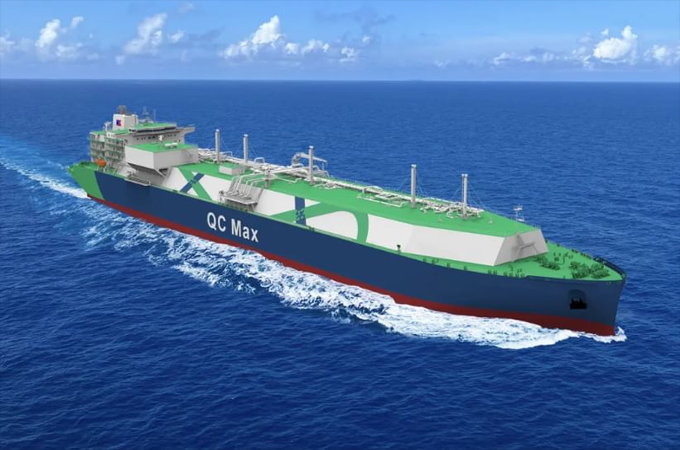
Construction has begun on a 271,000-cubic-metre liquefied natural gas (LNG) carrier in China, marking a significant milestone for the country's high-end shipbuilding industry and its expanding role in global energy transportation.
The QC-Max class vessel is being built by Hudong-Zhonghua
Shipbuilding, a subsidiary of China State Shipbuilding Corporation, and is
scheduled for delivery in 2028.
At 344 metres long, the vessel incorporates an upgraded
membrane containment system designed to increase cargo capacity while enhancing
operational safety and environmental performance.
With a carrying capacity of 271,000 cubic metres, the ship
can transport 57 per cent more LNG than the conventional 174,000-cubic-metre
vessels that dominate the current market.
According to the shipbuilder, the vessel will maintain a
daily boil-off rate of just 0.087 per cent, helping minimise cargo losses
during transit.
It will also be powered by a high-efficiency dual-fuel
propulsion system that complies with the International Maritime Organisation's
Tier III emissions standards and is capable of operating at most major LNG
terminals worldwide.
The carrier is being built for a major LNG project in Qatar.
Hudong-Zhonghua has secured orders for 36 vessels under the programme,
including 24 of the ultra-large QC-Max carriers.
Often regarded as one of the most technically complex vessel
types in the shipbuilding industry, LNG carriers require advanced engineering
and sophisticated supply chains.
Hudong-Zhonghua currently has nearly 60 LNG carrier orders
on its books, representing the world's largest order backlog by cargo volume,
with deliveries extending through 2030.
China's share of the global LNG carrier construction market has now exceeded 30 per cent, supported by expanding shipyard capacity and continued technological advancements, reinforcing the country's growing position in the high-value shipbuilding sector.