




















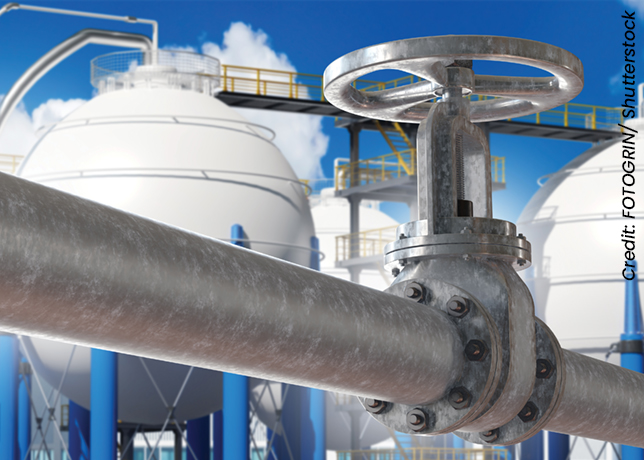















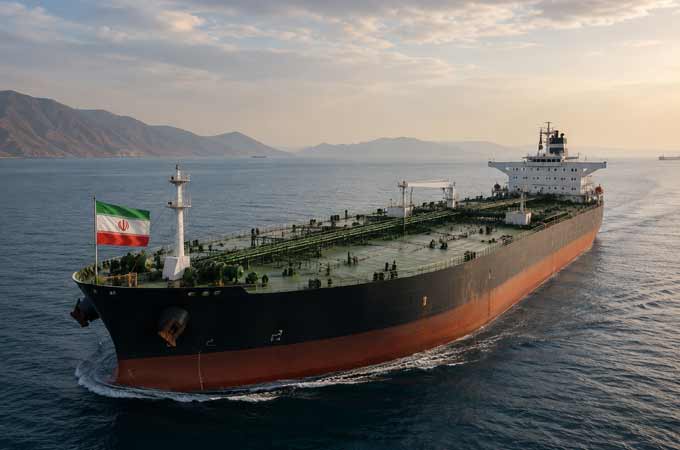
 AI generated image for representation only.
The interim agreement between the US and Iran aimed at ending the Middle East conflict is expected to pave the way for Iran to resume oil exports immediately, according to US officials.
A senior US official, quoted by Reuters, said the arrangement would allow Iran to begin selling oil and fuel, supported by banking, transportation and insurance services designed to facilitate the trade. The text of the agreement is expected to be released shortly.
However, US officials have sought to temper expectations regarding the document itself. According to CNN, officials described the memorandum of understanding (MoU) as a largely political framework intended to create a favourable atmosphere for the detailed and highly technical negotiations required to secure a permanent settlement.
The officials characterised the one-and-a-half-page document, referred to by Vice President JD Vance, as deliberately broad and vague, arguing that it does not reflect a number of key commitments made by Iran through back-channel discussions. Those assurances, they said, provided Washington with greater confidence to move forward with the arrangement.
"People shouldn't read too much into the language of the MOU," one official told CNN, describing it as a "political document" designed in part to help Tehran build domestic support for the process.
$300bn reconstruction fund plan
Despite its limited scope, the agreement could eventually unlock significant economic benefits for Iran. US and Iranian officials have indicated that a broader settlement could lead to the easing of sanctions, the release of frozen foreign assets and the establishment of a reconstruction fund worth up to $300 billion. The fund would reportedly be financed by neighbouring Gulf states that host US military bases and suffered Iranian attacks during the conflict, provided Tehran complies with the terms of a final agreement.
The MoU extends the ceasefire announced in April by a further 60 days, giving both sides additional time to negotiate a permanent truce.
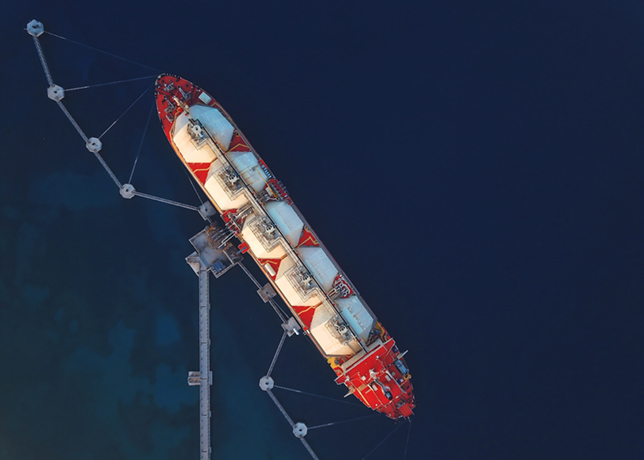
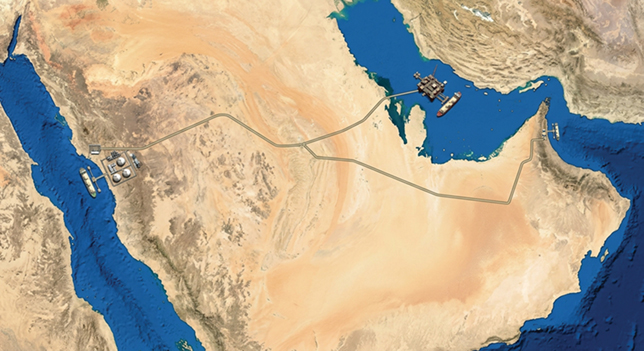
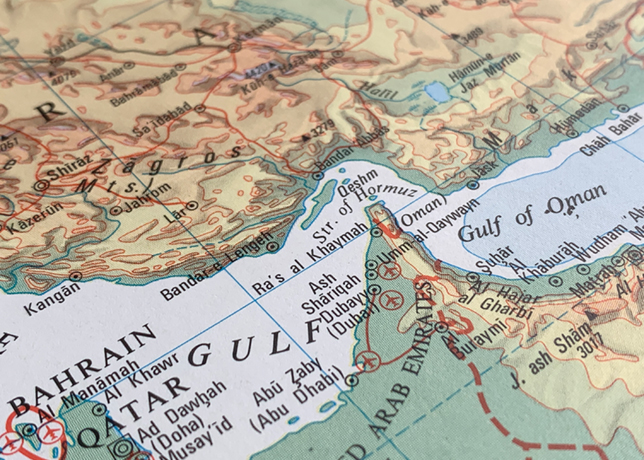
Under the framework, the US will lift its blockade of Iranian ports, while Tehran will restore the passage of oil tankers and other commercial shipping through the Strait of Hormuz, a critical global energy route that has been effectively closed since US and Israeli strikes on Iran on February 28.
President Donald Trump said the agreement makes clear that Iran will not be permitted to possess a nuclear weapon and added that the full text would be released publicly in the coming days.