













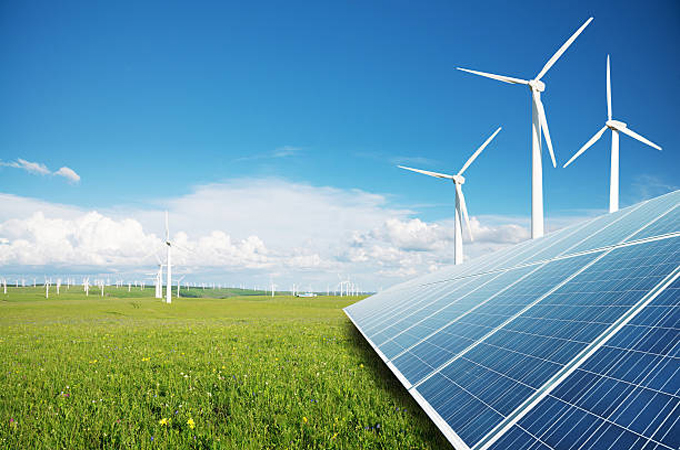
 Image by Loveguli/ iStock
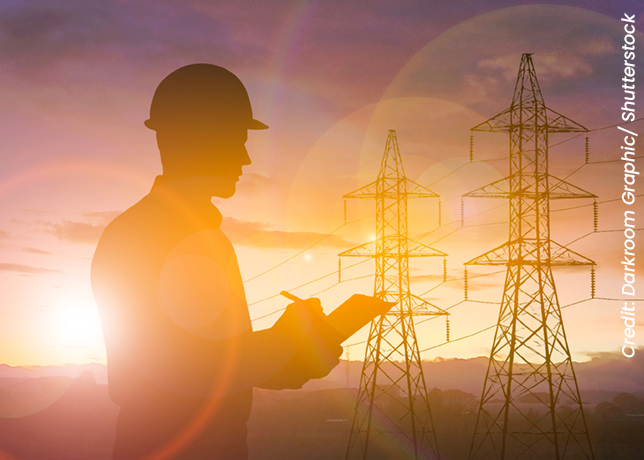
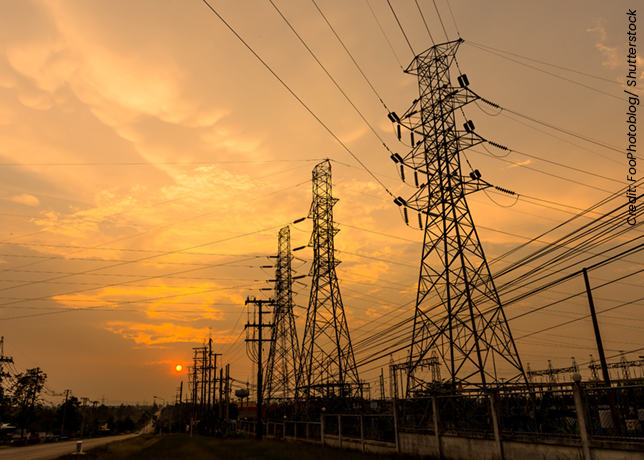
Egypt and the European Union are strengthening their strategic energy partnership with a financing package of up to €690 million ($801 million) to upgrade and expand Egypt’s electricity grid.
The funding includes a €600 million loan from EIB Global and
up to €90 million in European Commission grants.
Led by the Egyptian Electricity Transmission Company, the
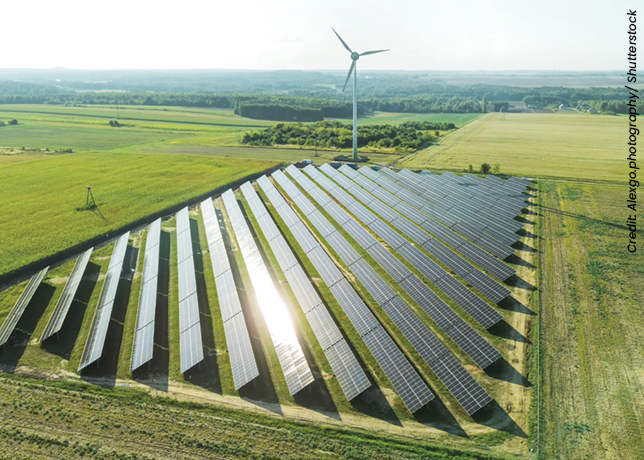
project aims to integrate 22 GW of renewable energy capacity by 2030,
enough to power around 10 million households.
It supports Egypt’s
goal of expanding renewable energy, improving grid infrastructure and
reinforcing its role as a regional energy hub.
The initiative also advances the EU–Egypt Strategic and
Comprehensive Partnership, promoting investment, clean energy cooperation and a
transition to a more sustainable and competitive power system.
It is among the first projects under the Trans-Mediterranean
Renewable Energy and Clean-Tech Cooperation Initiative (T-MED), part of the
Pact for the Mediterranean.
“This agreement reflects the strength of the partnership
between Egypt and the European Union and our shared determination to advance
the green transition,” said Badr Abdelatty, Minister of Foreign Affairs,
International Cooperation and Egyptian Expatriates. “Together with the EIB and
the EU, we are taking an important step to modernise our electricity network,
strengthen energy security and create new opportunities for sustainable growth.
This is the kind of practical cooperation that brings real benefits to our
economy and our people.”
“The Pact for the Mediterranean keeps delivering,” said
European Commissioner for the Mediterranean Dubravka Šuica. “Under its newly
launched flagship initiative, T-MED, today we presented a major EU-supported
project to strengthen and expand Egypt’s electricity infrastructure. This will
reinforce Egypt’s role in the regional energy markets and create major business
opportunities for local and European companies. It is another testimony of our
shared commitment to sustainable growth, energy security and long-term
prosperity in the Mediterranean.” -OGN/TradeArabia News Service