
























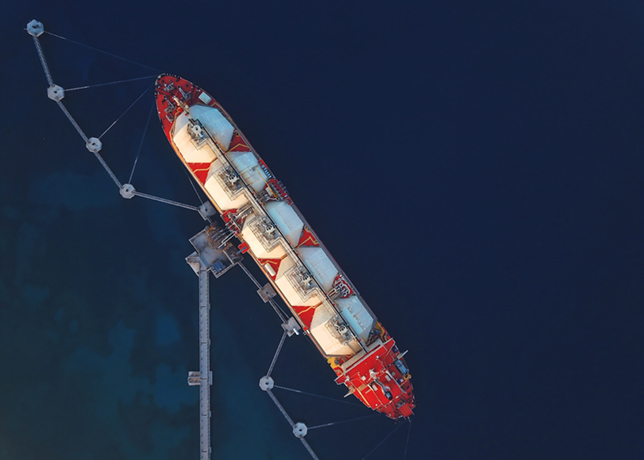


















Global demand for liquefied natural gas (LNG) is projected to reach nearly 700 million tonnes annually by 2050, up around 65 per cent from 2025 levels, driven by growing demand for secure, flexible and lower-emission energy, according to Shell’s LNG Outlook 2026.
Global LNG trade reached 422 million tonnes in 2025 and was
expected to grow further in 2026.
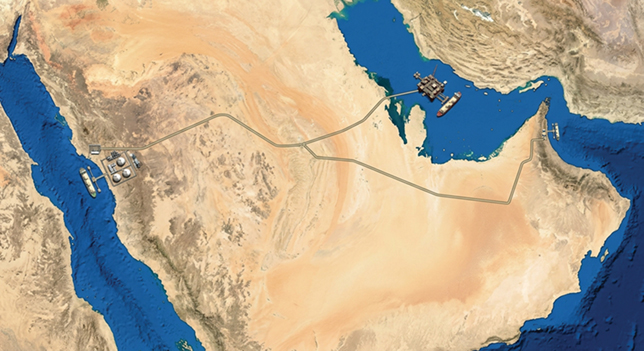
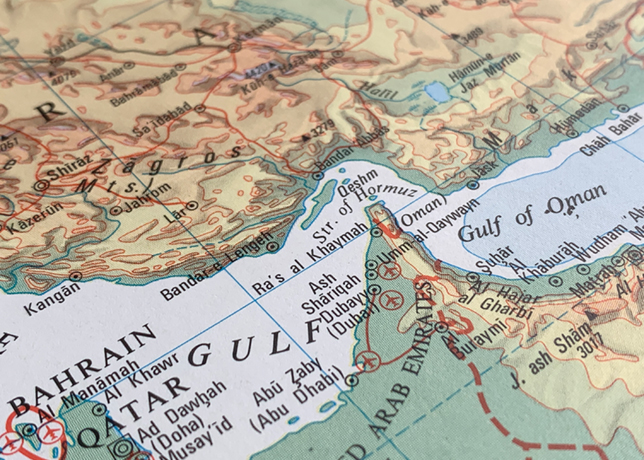
However, disruption to shipping through the Strait of Hormuz
has temporarily halted around one-fifth of the world’s monthly LNG supply,
pushing spot prices above $20 per million British thermal units (MMBtu) and
affecting energy-importing nations, particularly in Asia.
Shell said increased liquefaction capacity in North America,
improved output from existing facilities and slower LNG imports in parts of
Asia have helped offset reduced Middle East supplies.
If shipping through the Strait of Hormuz normalises during
the summer, global LNG trade in 2026 is expected to remain broadly in line with
last year before returning to growth in 2027.
Around 180 million tonnes of new annual LNG supply is
forecast to enter the market by 2030, improving availability and affordability.
However, importing countries will need additional
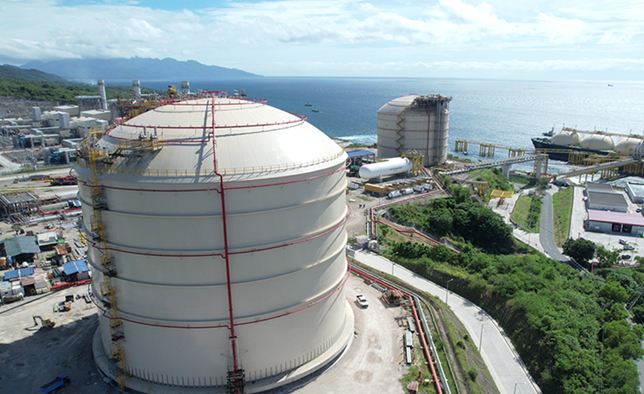
infrastructure, including regasification terminals and pipeline networks, to
fully benefit from increased supply.
South and Southeast Asia are expected to account for around
40 per cent of global LNG imports by 2050, while demand from emerging sectors
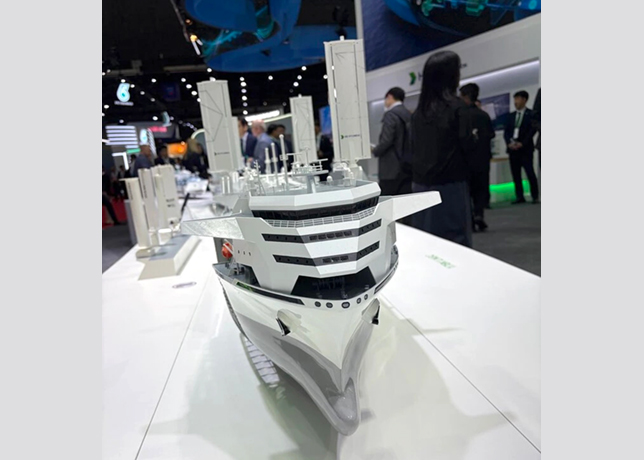
such as LNG-fuelled shipping is forecast to increase seven-fold to 27 million
tonnes by 2035.
In mature markets
such as Japan, expanding data centres are also expected to boost gas demand.
Shell said continued investment in new liquefaction projects
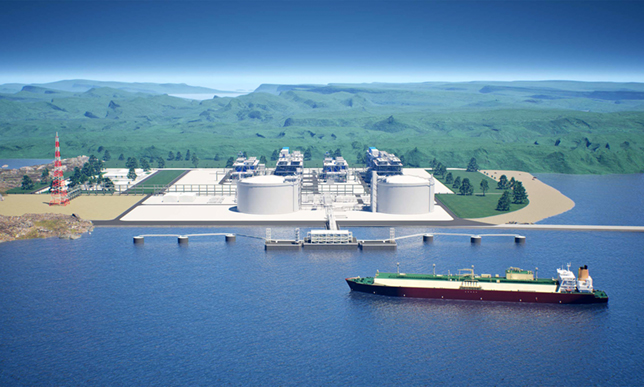
will be essential, with around 200 million tonnes of additional annual supply
required beyond projects already under construction.
Despite recent price volatility, the company noted that the
global LNG market is now more resilient than during the 2022 energy crisis,
supported by long-term supply contracts that account for roughly two-thirds of
global LNG trade.
“The conflict created a system-wide shock with disruption
cascading across all segments of the economy, but the LNG industry has proved
resilient and able to adapt to changing market conditions,” said Cederic
Cremers, President of Integrated Gas at Shell. “While more investment in both
supply and demand infrastructure is needed, the long-term outlook remains
strong and LNG will continue to be a stabilising force in the global energy
system.” -OGN/TradeArabia News Service