



























































Oil prices fell sharply on Monday after US President Donald Trump suspended plans for military strikes against Iran and announced that negotiations with Tehran would resume, raising hopes of reducing the risk of disruptions to global crude supplies.
Adding to the bearish sentiment, Opec+ moved ahead with another production increase, reinforcing expectations of stronger global oil supply in the coming months.
Brent crude futures dropped more than 5% to around $83.51 a barrel in early trading, while US West Texas Intermediate (WTI) crude fell nearly 5.8% to about $79.76 a barrel.
The sharp decline followed Trump's announcement that talks with Iran would resume on Monday after he called off what he described as a planned "massive attack" on the country.
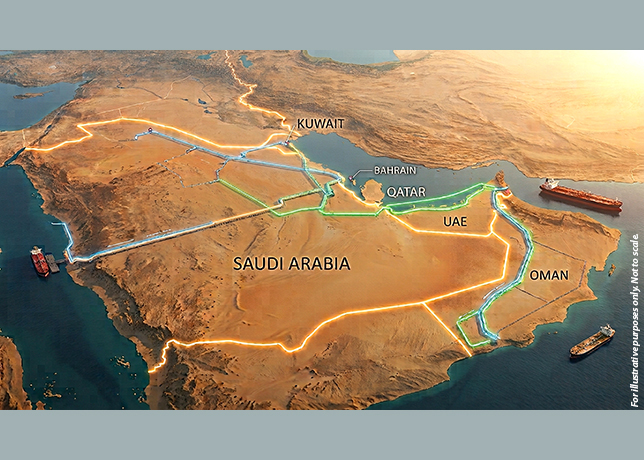
Oil prices had surged by more than 20% last month after fighting between US and Iranian forces intensified and attacks on commercial tankers near Oman heightened fears over the security of shipping through the Gulf. The increased risks prompted some shipowners to avoid the region, fuelling concerns over potential supply disruptions.
Markets were also digesting Opec+'s latest decision to raise crude production, a move that is expected to increase supplies at a time when demand growth remains uncertain.
Seven OPEC+ countries, which previously announced additional voluntary adjustments in April and November 2023, namely Saudi Arabia, Russia, Iraq, Kuwait, Kazakhstan, Algeria, and Oman met virtually on Sunday to review global market conditions and outlook.
In their collective commitment to support oil market stability, the seven participating countries decided to implement a production adjustment of 188,000 barrels per day from the additional voluntary adjustments announced in April 2023. This adjustment will be implemented in September 2026.
However, traders remain cautious, noting that negotiations between the United States and Iran remain at an early stage and that tensions surrounding the Strait of Hormuz continue to pose a significant risk to global energy markets.
Any breakdown in talks or renewed military confrontation could quickly reverse the latest decline in oil prices, analysts said.