





























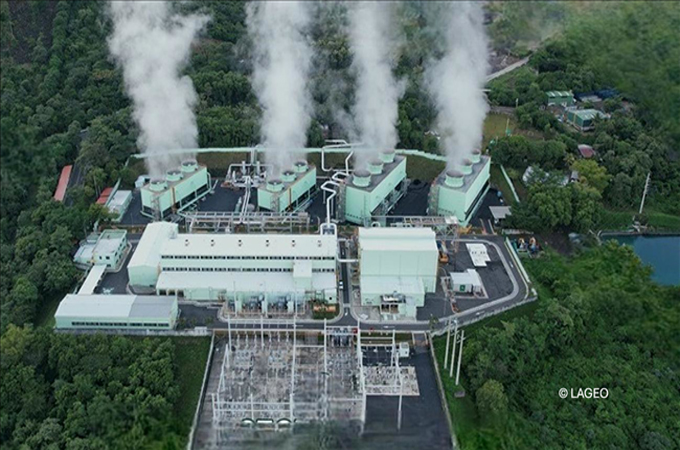
Latin America has significant untapped geothermal potential, with resources estimated at up to 70 gigawatts (GW), yet less than 6 per cent has been developed, according to discussions hosted by the International Renewable Energy Agency (Irena), the Global Geothermal Alliance (GGA), and the Government of El Salvador.
The region currently has more than 1.8 GW of installed
geothermal power capacity, representing around 11 per cent of global geothermal
capacity.
As countries seek to
improve energy security and reduce reliance on imported fuels amid global
market uncertainty, geothermal energy is gaining recognition as a reliable
renewable source capable of providing continuous power.
A two-part webinar series held in July examined
opportunities to expand geothermal deployment across Latin America, focusing on
power generation and direct-use applications.
The discussions highlighted geothermal energy’s potential to
strengthen energy security, accelerate the clean energy transition, and support
sustainable economic development.
El Salvador’s experience was highlighted as an example of
geothermal’s contribution to national resilience.
Geothermal energy currently provides around 21 per cent of
the country’s electricity generation and supports wider economic activities,
including food processing, agricultural applications and community-based
enterprises.
Opening the webinar, Vanessa Interiano, Coordinator for
International Energy Affairs and Permanent Representative of El Salvador to Irena,
said: "We are convinced that geothermal energy represents much more than a
source of power. It represents an opportunity to strengthen the energy
sovereignty of our countries, promote sustainable development, and build a more
resilient future for the next generations."
Participants said the key challenge is no longer identifying
geothermal resources, but developing commercially viable projects by reducing
risks and improving investment conditions.
Gurbuz Gonul, Director for Country Engagement and
Partnerships at Irena, said: "The challenge is no longer whether
geothermal resources exist; it is how to transform those resources into
bankable projects that deliver energy security, economic opportunity, and
long-term development benefits."
International financial institutions emphasised the
importance of concessional financing, risk-sharing mechanisms and
public-private partnerships to reduce exploration risks and encourage private
sector investment.
The webinar concluded that expanding geothermal energy in
Latin America will require coordinated action from governments, investors,
industry and communities.
Key priorities include reducing exploration risks,
strengthening regulatory frameworks, integrating direct-use applications,
expanding technical knowledge and ensuring communities benefit from geothermal
development. -OGN/TradeArabia News Service