










































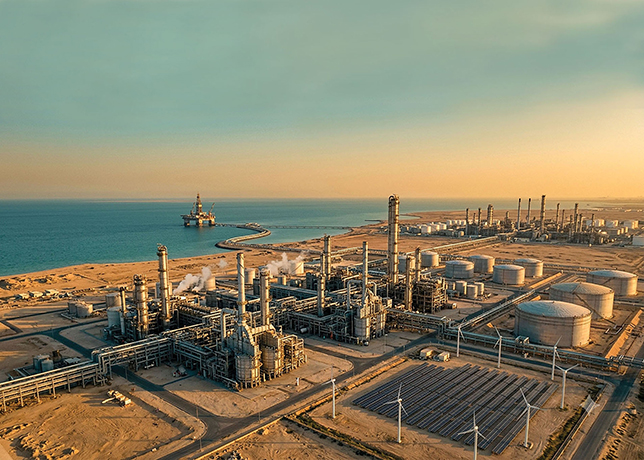



Nigeria is aiming to attract between $30 billion and $50 billion in offshore oil and gas investments by 2030 as it works to revive crude production, increase energy output, and strengthen its position as Africa’s leading energy producer.
The Nigerian Upstream Petroleum Regulatory Commission
(NUPRC) said at least 22 major offshore projects are expected to begin
production between 2026 and 2030, supporting higher oil and gas output, job
creation, and long-term energy security.
The regulator revealed that Nigeria has approved more than
$57 billion in Field Development Plans since 2024, with several projects
already reaching Final Investment Decisions.
The approvals are expected to drive renewed exploration and
production activity in deepwater fields following recent policy reforms.
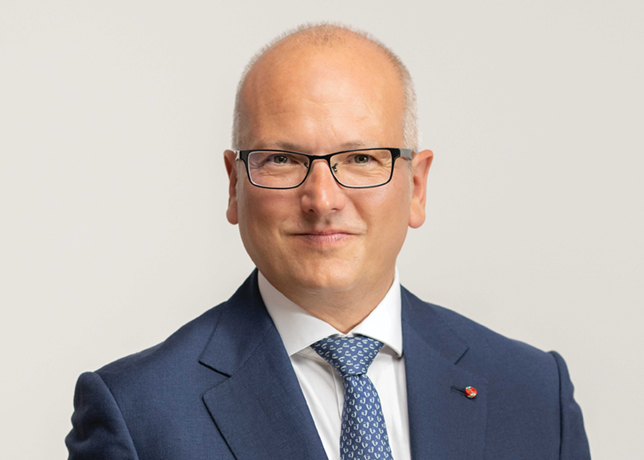
Gbenga Komolafe, NUPRC Chief Executive, said reforms
introduced under the Petroleum Industry Act have improved investor confidence
by offering greater fiscal certainty, faster approvals, and a more predictable
business environment.
The commission is working with operators to accelerate the
transition of approved projects into production.
Nigeria’s investment push comes after years of declining
output caused by underinvestment, crude theft, and pipeline vandalism.
Recent improvements in security and renewed activity by
operators have helped support a gradual recovery in production.
Deepwater developments are expected to play a key role in
meeting future production targets due to their larger reserves and reduced
exposure to some of the challenges affecting onshore operations.
Authorities believe the reforms have improved Nigeria’s
competitiveness in attracting global energy investment amid changing market
conditions and rising demand for natural gas.
Industry analysts said securing up to $50 billion in new
investment could boost government revenues, strengthen the upstream sector, and
support wider economic growth.
However, they highlighted the importance of maintaining
regulatory stability, improving security, and ensuring consistent
implementation of reforms to sustain investor confidence. -OGN/TradeArabia News Service