













































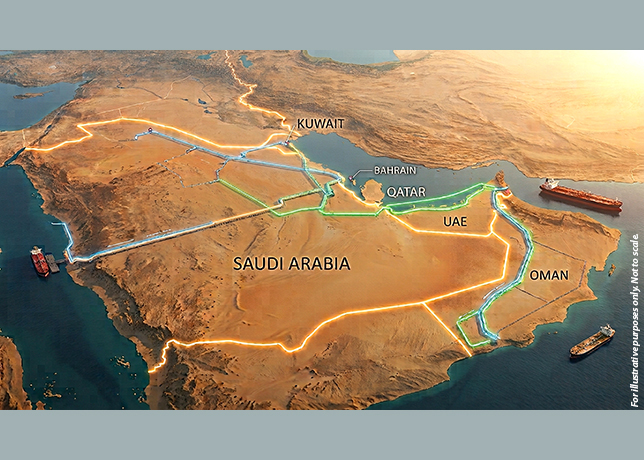



Oil prices rose for a third consecutive session on Tuesday as hopes for a deal to end the Middle East conflict faded, raising concerns that disruptions to energy supplies could persist, particularly with no clear timeline for the reopening of the Strait of Hormuz.
Brent crude futures gained 35 cents, or 0.39%, to $91.22 a barrel by 0827 GMT, while US West Texas Intermediate crude rose 81 cents, or 0.96%, to $85.31 a barrel.
Both benchmarks were on track for a third straight session of gains. Brent touched its highest level since July 30 during the session, while WTI reached its highest since July 31.
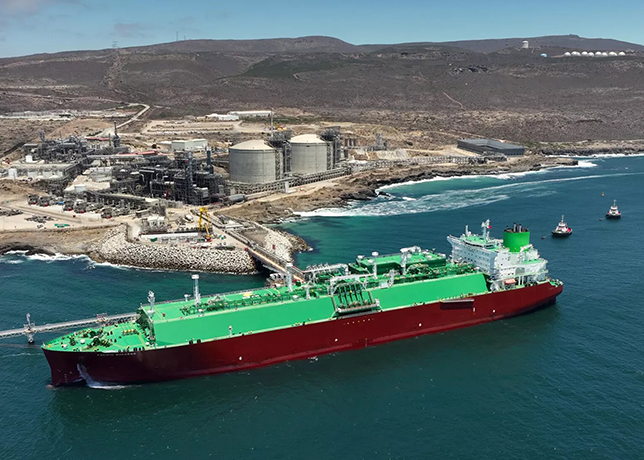
The latest gains came as uncertainty increased over efforts to end the conflict and restore normal shipping through the strategic waterway, through which a significant share of the world's oil supplies normally passes.
Progress towards peace talks has stalled, while oil tanker traffic through the Strait of Hormuz has yet to resume normally. The lack of clarity over when the waterway will fully reopen has kept traders focused on the risk of prolonged supply disruptions.
Iran has indicated that it will adopt a more offensive stance, while the United States has ruled out extending the ceasefire arrangement. The increasingly uncertain diplomatic outlook has raised the prospect that the conflict could continue to weigh on regional energy flows.
The United Kingdom Maritime Trade Operations (UKMTO) received a report on Tuesday that a vessel was struck by an unknown projectile while transiting outbound in the Strait of Hormuz, causing engine room damage and a crew casualty, with the remaining crew being assisted by the Omani Coast Guard.
The situation has left oil markets caught between hopes of a diplomatic breakthrough and the risk of a prolonged disruption to supplies. Any sustained restrictions on tanker movements through Hormuz could tighten global crude availability and provide further support to prices.