





































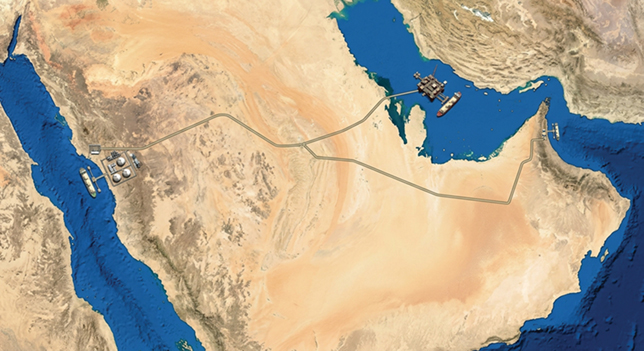
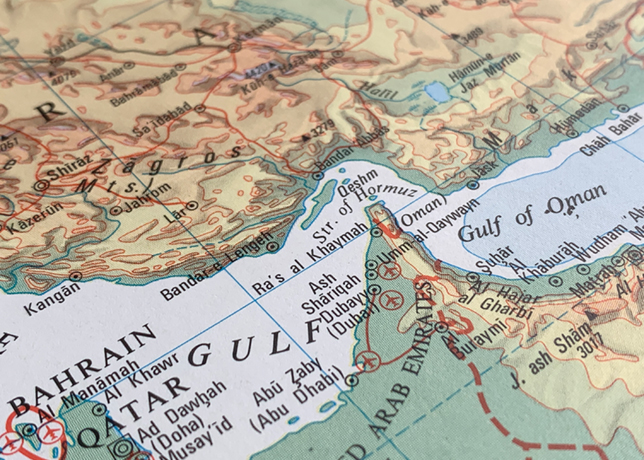
Rising threats to critical chokepoints, infrastructure, and supply lines are forcing a fundamental reassessment of global energy resilience.
To sustain operational continuity, decision-makers are actively evaluating complex risk factors, including regional energy mixes, import dependencies, and buffer capacities, while deploying diverse structural solutions such as fuel switching, logistics rerouting, and production reallocation across international assets.
According to McKinsey Global Institute’s report, ‘Aftershocks: Energy security beyond the Strait of Hormuz crisis’, this evolving landscape alters investment economics, accelerating clean technology adoption alongside expanded fossil-fuel supply, refining capacity, and stockpiles.
Highlighting this shift, destination-free flexible LNG contracts surged from 29 per cent of overall contracts in 2016 to 45 per cent by 2024.
Concrete enterprise responses demonstrate clear operational value: Yara dynamically reduced European ammonia output in 2022 using overseas supply, BASF boosted volume growth 7 per cent year-over-year in Q2 2026 despite Middle East disruptions, and 700,000 UK consumers delivered half the grid’s required peak flexibility during 2022.