









































Senegal has developed a new National Energy Efficiency Strategy and Action Plan (NEESAP) aimed at improving energy productivity and supporting the country’s long-term energy transition.
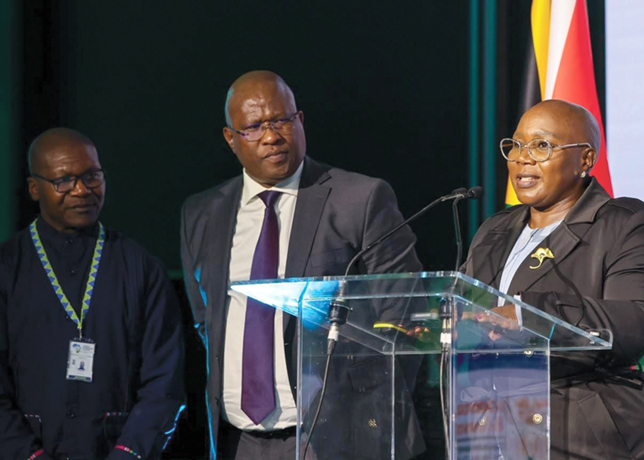
Developed with support from the African Energy Commission (AFREC) and technical assistance from the EU-funded Continental Energy Programme in Africa, the strategy was presented in Dakar to representatives from government, industry, financial institutions and development partners.
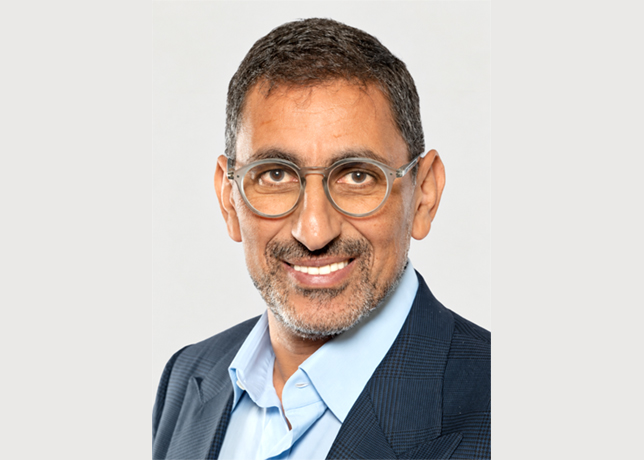
Modelling indicates Senegal could increase its energy productivity by 70 per cent by 2050 and 100 per cent by 2063, potentially exceeding targets under the African Energy Efficiency Strategy and Action Plan, according to Mame Coumba Ndiaye, Director General of the Agency for Energy Economy and Management (AEME).
The initiative also introduces Energy Performance of Buildings guidelines and Minimum Energy Performance Standards adapted to Senegal’s needs.
The measures are intended to address rising energy demand and costs, rapid urbanisation and the need to improve economic competitiveness.
AFREC said the programme demonstrates how continental energy-efficiency goals can be translated into nationally led action.
The strategy was developed through consultations, data collection, technical analysis and energy-efficiency modelling to identify priorities, responsibilities and potential investment opportunities.
Following stakeholder feedback, Senegal will refine and finalise the strategy and associated building-efficiency measures.
AFREC will support implementation through capacity building, monitoring, results measurement and engagement with technical and financial partners.
Lessons from Senegal and three other pilot countries will help refine the approach for wider application across African Union member states.