














South Africa’s energy priorities are shifting as Eskom records more than 400 consecutive days without load shedding.
For energy-intensive industries, the focus is increasingly moving from electricity security toward using reliable, affordable power to strengthen competitiveness, investment and growth.
Mines, manufacturers, smelters and other major users continue to face challenges including grid capacity, rising costs, renewable integration, power quality and financing.
The country is also seeing greater adoption of private renewable generation.
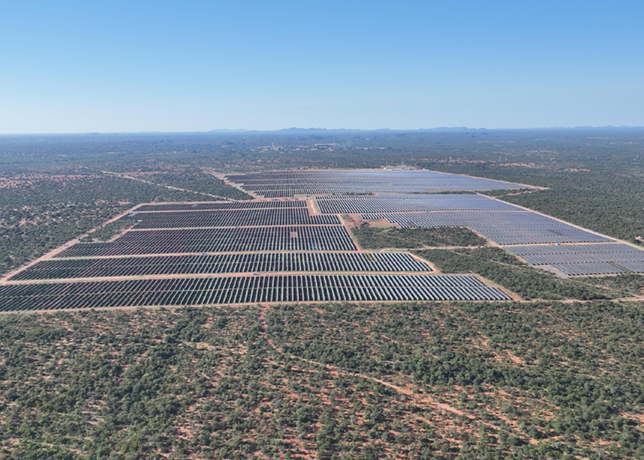
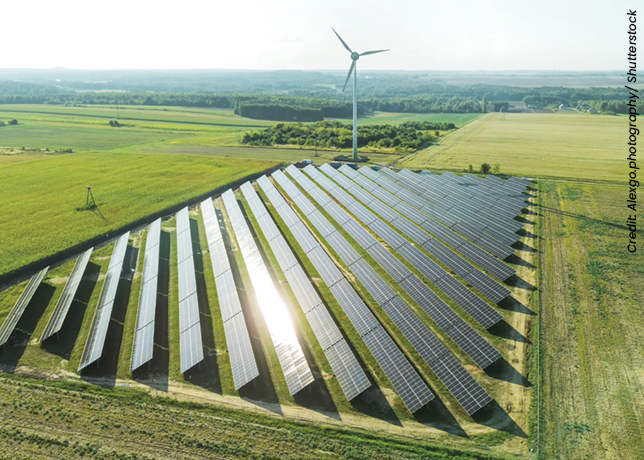
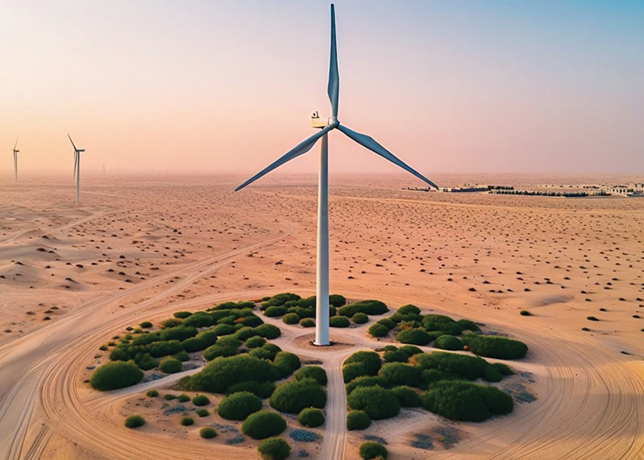
Seriti Green’s 155 MW Ummbila Emoyeni wind farm, which began commercial operations in July 2026, is supplying Seriti’s mining operations through wheeling, highlighting the growing role of renewable power alongside grid electricity.
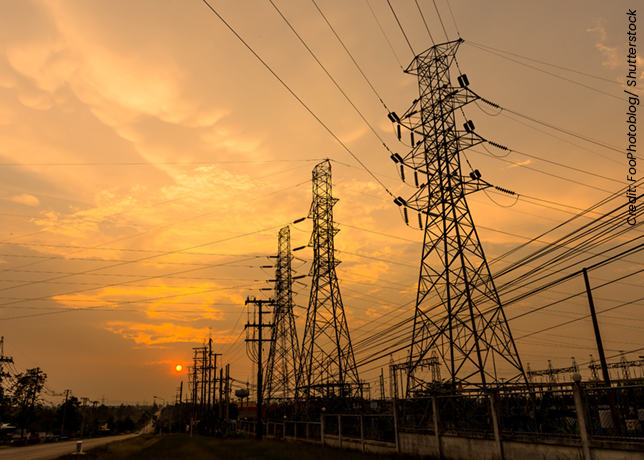
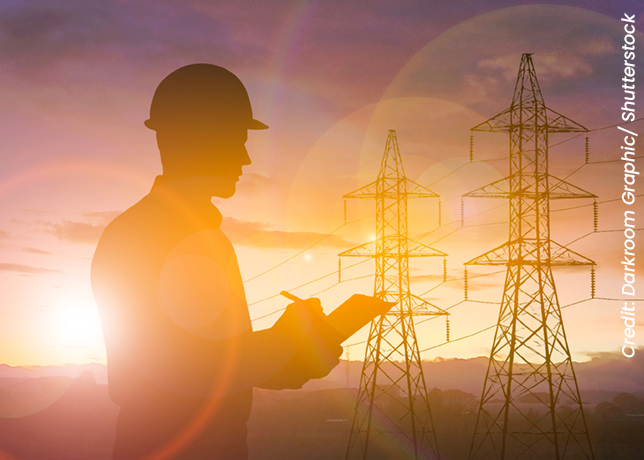
Transmission capacity is emerging as another priority as more renewable generation connects to the system.
Collaboration between the Development Bank of Southern Africa and National Transmission Company South Africa is focused on accelerating investment in the transmission network.
Industry discussions are increasingly examining whether current energy conditions support industrialisation, while addressing grid security, ageing infrastructure, renewable penetration, frequency stability and voltage fluctuations.
Heavy industries are also assessing solar, wind and hybrid systems capable of meeting continuous electricity demand.
Financing the transition remains critical, with attention on investment models, risk reduction, storage economics and industrial decarbonisation.
With electricity availability improving, the next challenge is translating greater energy reliability into industrial growth and competitiveness.
South Africa’s energy-intensive sectors are therefore entering a phase focused not only on keeping the lights on, but on building a more flexible, resilient and investment-ready power system.