













































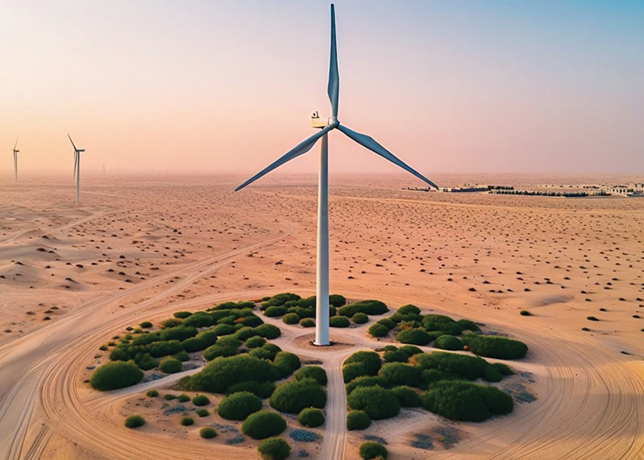


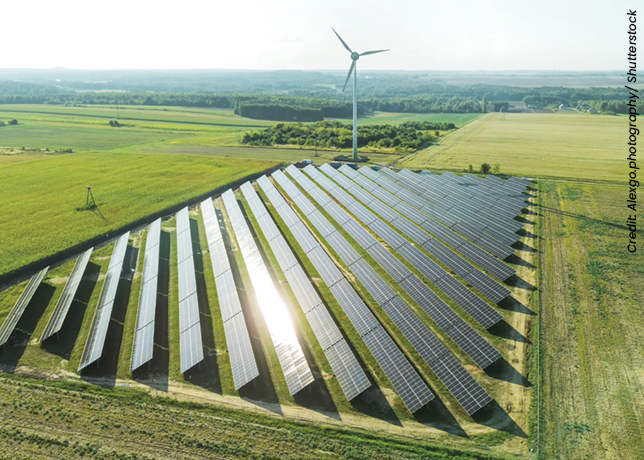
Global renewable power capacity reached 5.15 TW at the end of 2025, after a record 693 GW was added during the year, according to a new report from the International Renewable Energy Agency (IRENA), the COP31 Presidency Türkiye and the Global Renewables Alliance.
However, reaching the COP28 goal of tripling renewable capacity to 11.2 TW by 2030 will require annual additions to rise to an average 1,200 GW between 2026 and 2030.
The report also found that global energy intensity improved by about 2 per cent in 2025, half the 4 per cent annual rate needed to meet the 2030 energy-efficiency target.
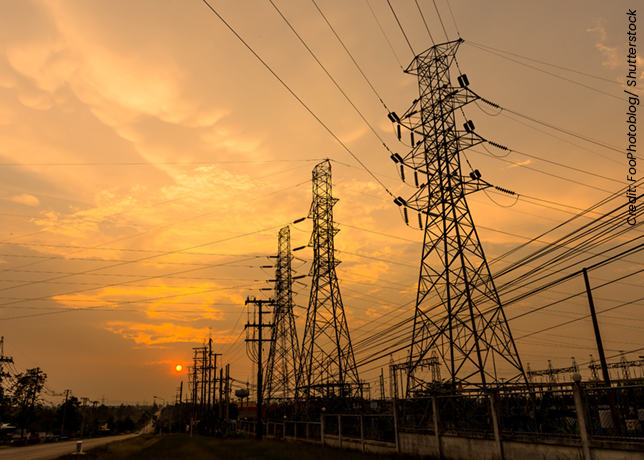
Infrastructure remains a major constraint, with the report calling for almost $1 trillion a year in grid investment from 2026 to 2030.
Greater deployment of batteries, storage, flexible technologies and digital systems, including AI, is also needed to integrate rising renewable generation and electricity demand.
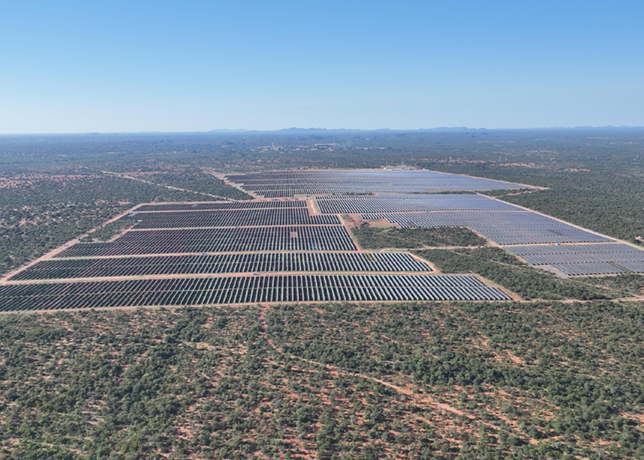
Solar and wind are expected to drive much of the expansion. By 2030, variable renewables could account for about 62 per cent of global installed power capacity, compared with 35 per cent in 2025, overtaking total fossil-fuel capacity.
Energy storage is also gaining momentum, with battery costs falling 30 per cent between 2024 and 2025 and 95 per cent since 2010. Meanwhile, solar-plus-storage projects represented about one-quarter of utility-scale solar commissioned globally in 2025.
The report highlights electrification as a key pathway for improving efficiency and reducing emissions, with a potential target of 35 per cent of final energy consumption from electricity by 2035.