































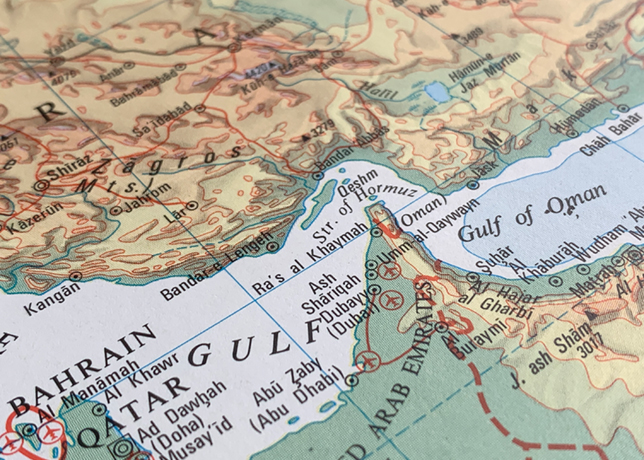
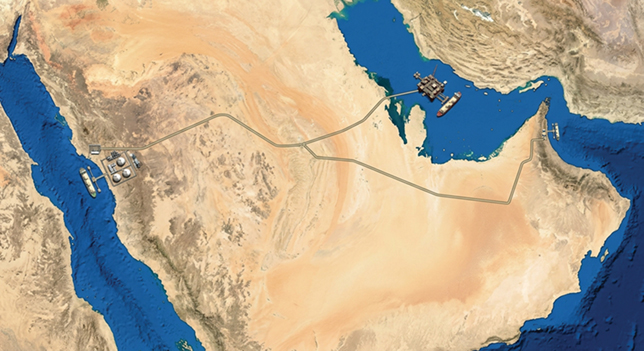
As maritime transits stalled, proposals emerged suggesting that Qatar build overland pipelines across neighbouring Gulf states to export terminals in Oman, Saudi Arabia, or the UAE.
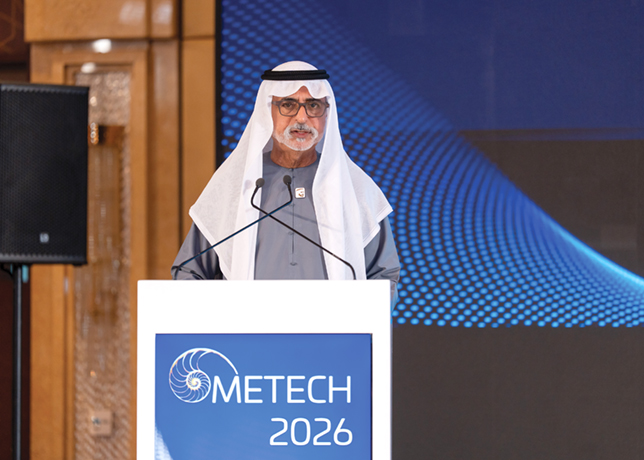
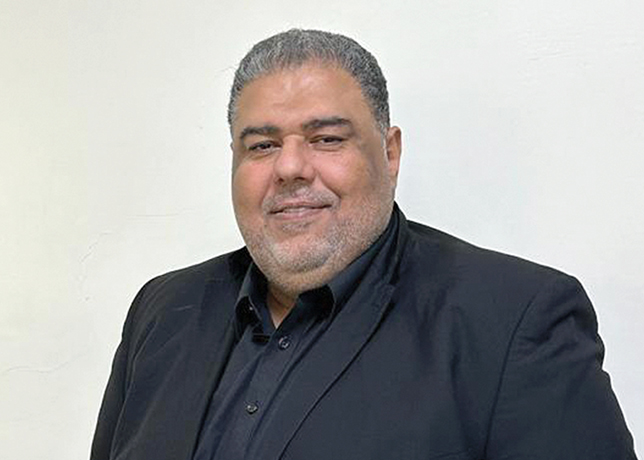
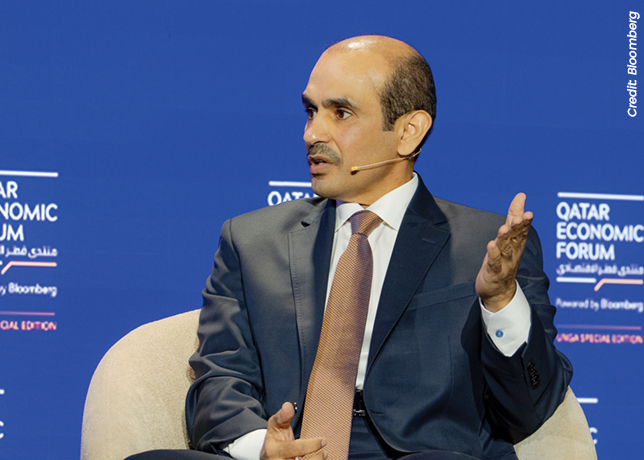
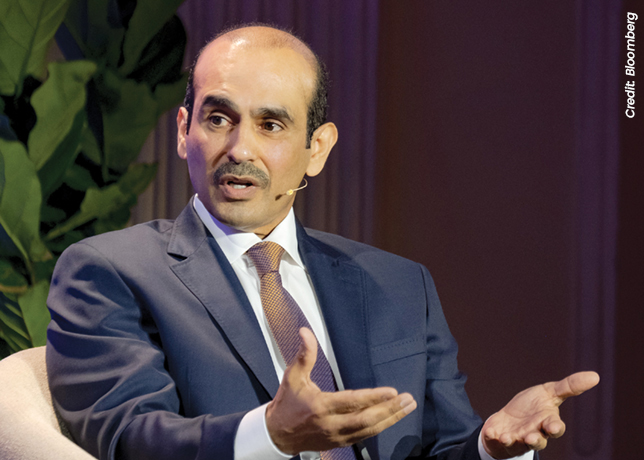
However, speaking at the Bloomberg powered Qatar Economic Forum in New York, Saad Al-Kaabi, Qatar’s Energy Minister and QatarEnergy CEO, formally rejected these bypass proposals on technical and commercial grounds.
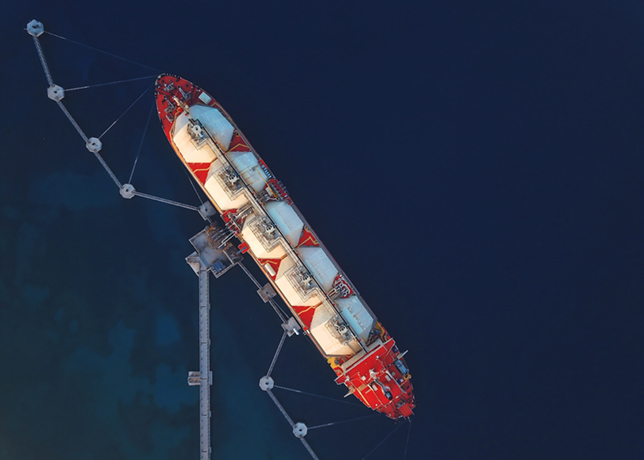
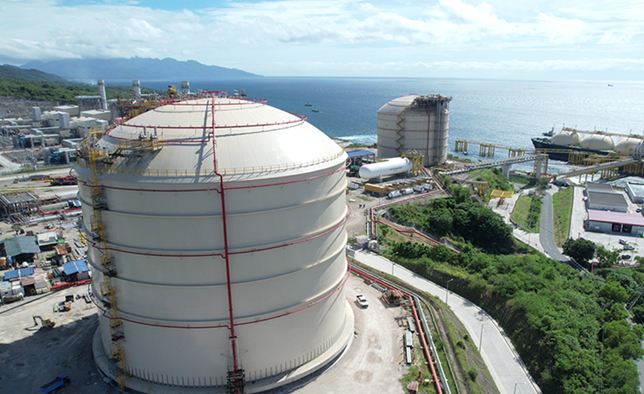
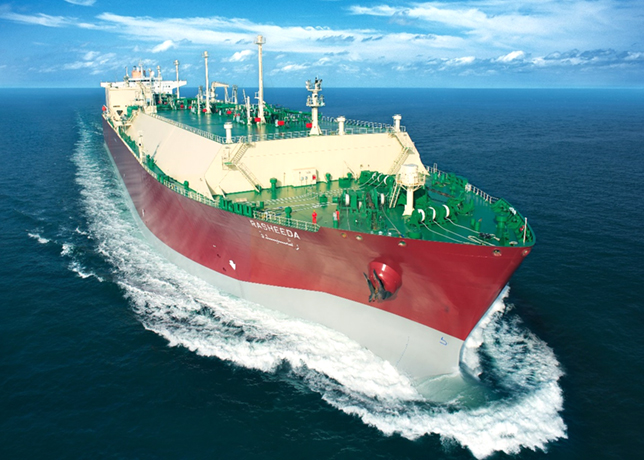
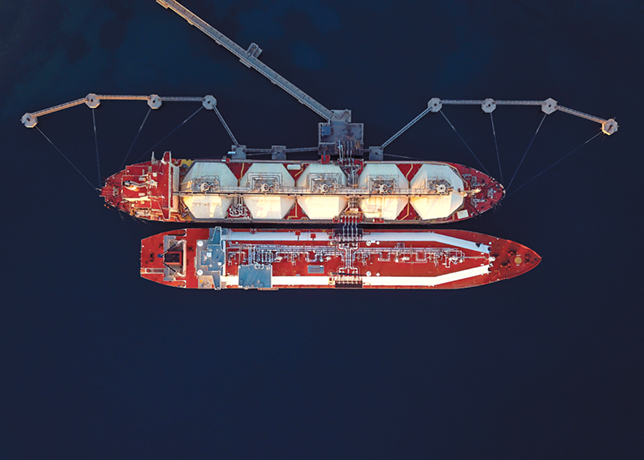
The primary barrier is thermodynamic: LNG is natural gas cooled to minus 162 deg C, reducing its volume by 600 times for maritime carrier transport.
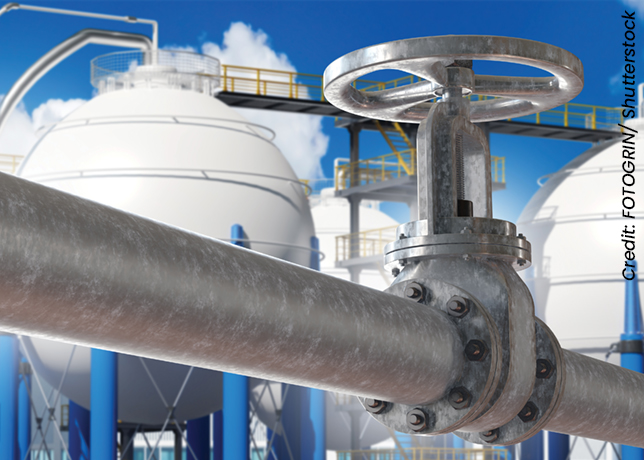
Transporting LNG over hundreds of kilometres of overland terrain in its cryogenic liquid state is technically unfeasible through standard pressurised pipelines.
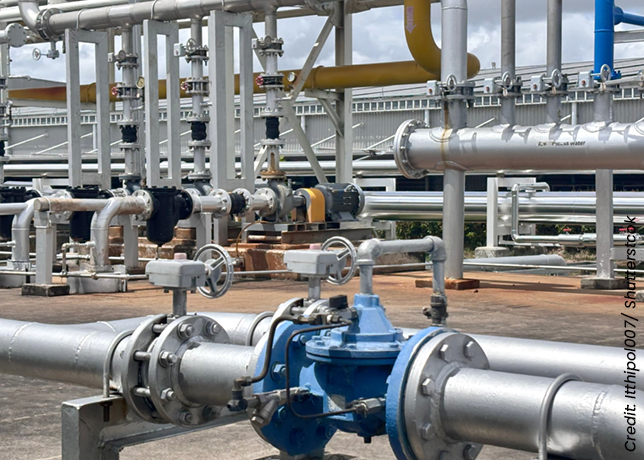
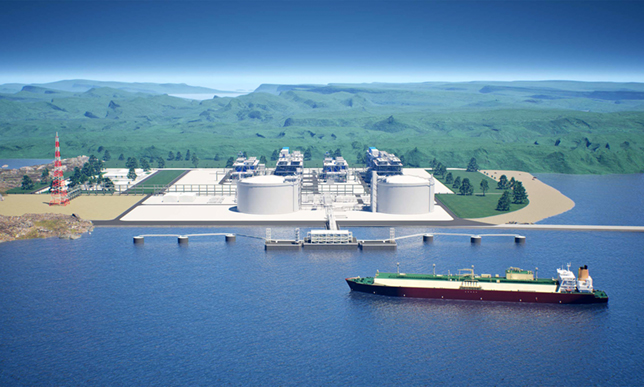
To bypass the strait via pipeline, Qatar would first need to re-gasify the LNG at its source in Ras Laffan, ship it as conventional dry gas via high-pressure trunklines across the Arabian Peninsula, and then construct entirely new liquefaction plants at foreign coastal ports to re-cool and re-liquefy the gas before loading it onto carriers.
COMMERCIAL LOGIC & CAPITAL REDUNDANCY
From an economic perspective, building a bypass network would require tens of billions of dollars in duplicate infrastructure.
Re-gasifying gas that has already been processed and then constructing redundant liquefaction trains abroad makes no financial sense when Qatar has already invested heavily in its existing world-scale assets at Ras Laffan.
Constructing thousands of kilometres of high-diameter pipeline capacity across international borders would also require years of environmental permitting, land acquisition, and engineering, offering no immediate relief to the ongoing maritime blockade.
Although Al-Kaabi expressed gratitude to regional neighbours that offered sovereign territory for potential transit corridors, Qatar determined that duplicating complex liquefaction infrastructure would permanently misallocate capital.
Rather than diverting funds into emergency land pipelines that would become economically redundant once marine routes reopen, Qatar chose to preserve its balance sheet to fund core domestic field developments and long-term offshore expansions.
GEOPOLITICAL REALITIES & WATERWAY PERMANENCE
Qatar’s refusal to build bypass pipelines also reflects a strategic policy stance on regional diplomacy and maritime trade.
Dismissing assertions by foreign officials that the Strait of Hormuz could become obsolete as nations seek alternative export routes, Al-Kaabi emphasised that the waterway remains a permanent geopolitical reality.
The strait serves as the primary trade passage not only for energy commodities, but also for food, industrial equipment, and commercial goods bound for all Gulf nations.
Al-Kaabi noted that Gulf Arab states remain neighbours sharing common geographic boundaries, making good relations and open maritime navigation essential for long-term regional stability.
Labelling the waterway obsolete ignores the foundational logistics of global sea trade.
Consequently, Qatar maintains that restoring unimpeded international transit rights under international maritime law is the only viable path forward for Gulf energy exporters.
STRATEGIC PIVOT TO GLOBAL ARBITRAGE
Instead of building temporary domestic bypasses, Qatar is adapting to the blockade by accelerating its transition into a global LNG trading powerhouse.
QatarEnergy is deploying international assets to service its long-term customer contracts without relying solely on cargoes originating from the Arabian Gulf.
A central element of this global arbitrage strategy is the Golden Pass LNG export terminal in Texas, a joint venture between QatarEnergy and ExxonMobil.
Shipments have commenced from the facility’s first train, with the second and third trains scheduled to achieve full operational capacity in 2027.
By leveraging Atlantic Basin supply from the US, Qatar can deliver cargoes to European and Asian buyers directly, bypassing the Strait of Hormuz entirely.
Concurrently, Qatar is using unflagged transits and targeted spot sales to maintain customer relationships in South Asia.
By pairing strict financial discipline at home with an expanding international trading portfolio, Qatar is structuring its energy business to navigate chokepoint risks while safeguarding its long-term market share.