









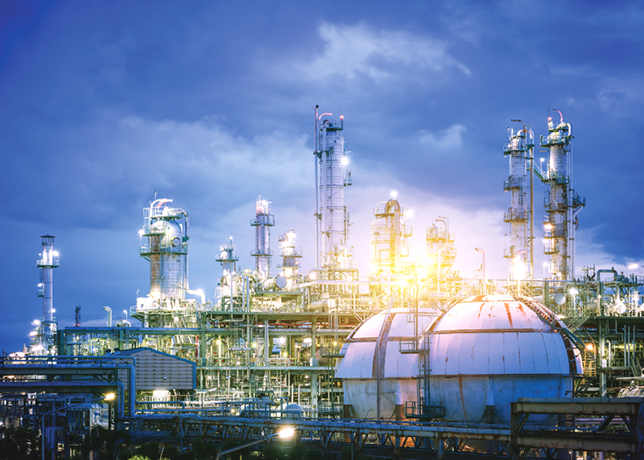




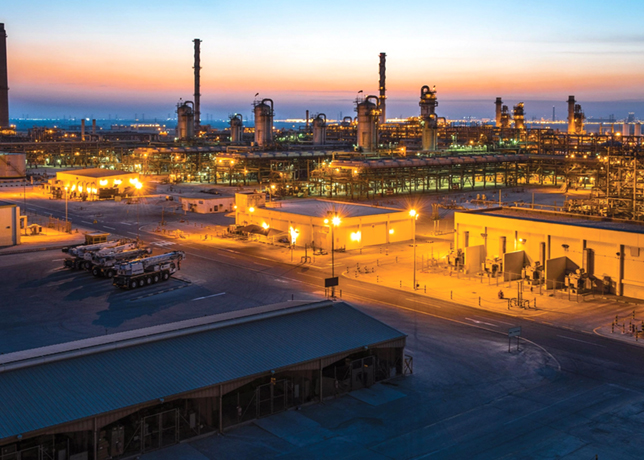
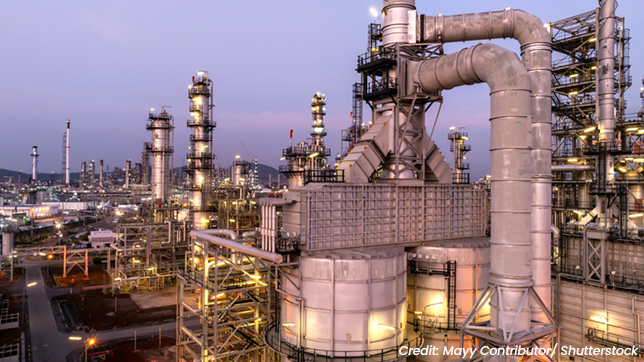











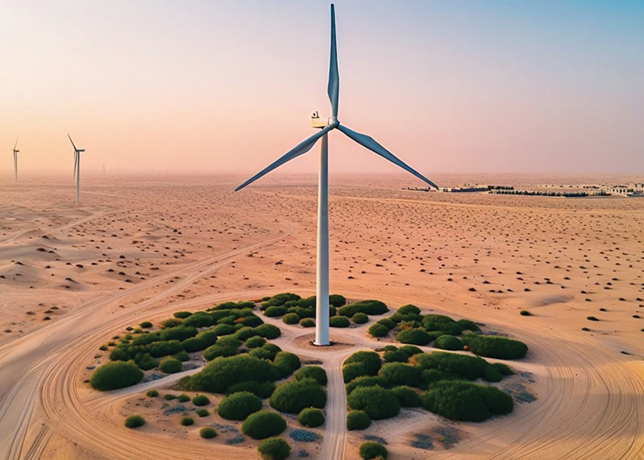
In the industrial hubs of Ras Laffan and Mesaieed, thousands of solar panels and heavy carbon capture infrastructure mark a significant shift in Qatar’s domestic energy landscape.
Under the Qatar National Renewable Energy Strategy, published by the Qatar General Electricity and Water Corporation (Kahramaa), the nation is executing a centralised decarbonisation plan designed to increase large-scale renewable power generation to about 4 GW while adding up to 200 MW of distributed solar generation by 2030.
By deploying utility-scale solar arrays and expanding carbon capture facilities adjacent to core industrial sites, state authorities aim to systematically reduce grid carbon intensity without compromising the power required for heavy manufacturing and gas processing operations.
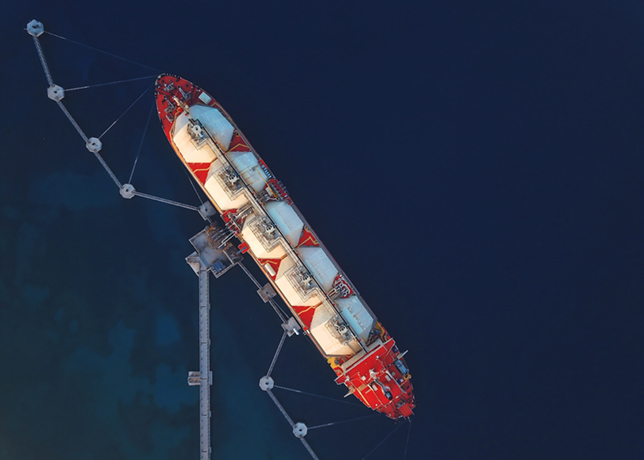
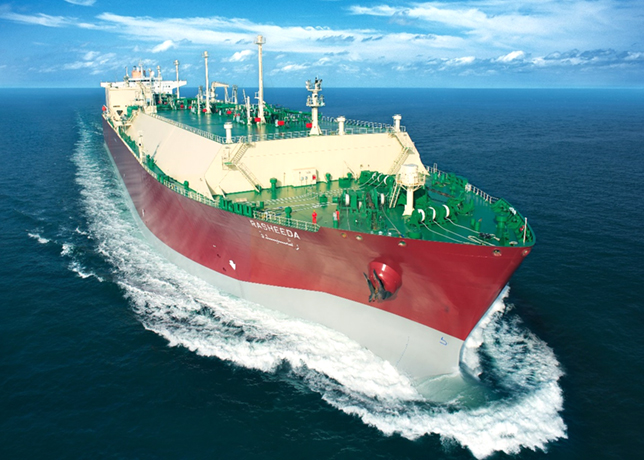
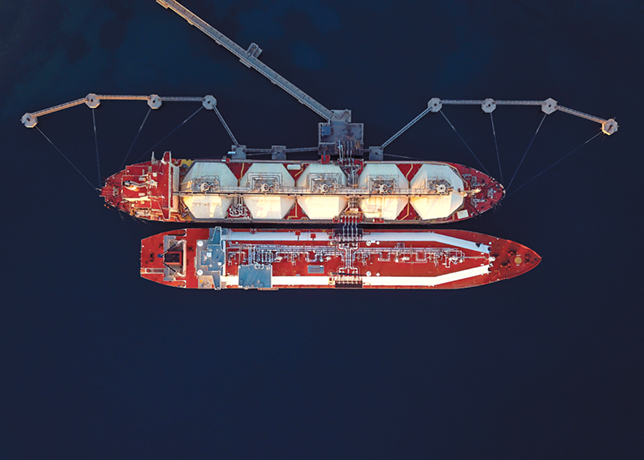
The overarching structural model channels revenues from liquefied natural gas (LNG) exports directly into domestic clean energy infrastructure, allowing the state to fund capital-intensive installations independently.
This approach ensures that capital outlay for large-scale energy projects remains resilient against short-term market volatility while creating an operational benchmark for other hydrocarbon-reliant economies across the Middle East.
Across the Gulf region, energy planners face the dual challenge of meeting expanding domestic electricity demand while attempting to lower economy-wide greenhouse gas emissions.
Rapid industrial expansion, urban development, and energy-intensive seawater desalination have historically driven steep annual increases in natural gas consumption for thermal power generation.
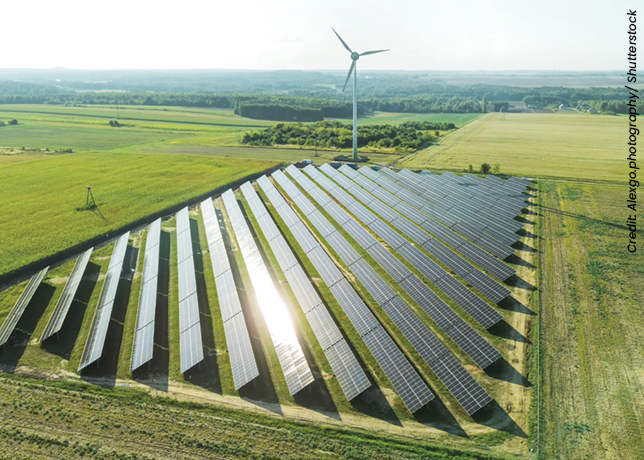
To mitigate this domestic fuel drain, Qatar is deploying a combination of utility-scale photovoltaics, distributed rooftop solar systems, and commercial carbon capture technologies.
By replacing natural gas burned in domestic turbines with solar-generated electricity, the state preserves valuable feed gas for export markets while reducing regional carbon intensity.
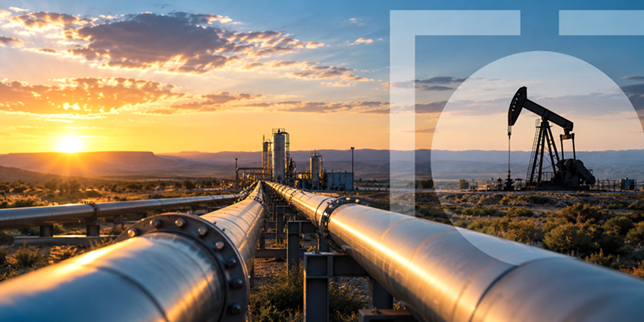
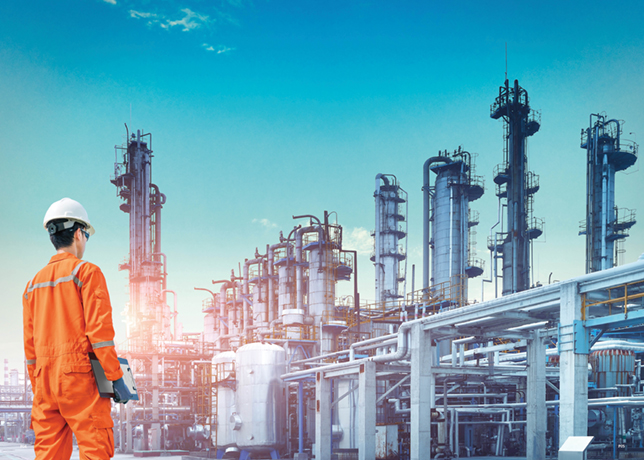
Furthermore, integrating carbon capture, utilisation, and storage directly into gas processing facilities at Ras Laffan allows the country to lower the operational footprint of its primary export product.
This dual-track model addresses both supply-side emissions from industrial processing and demand-side consumption from the domestic grid, establishing a structural framework for regional decarbonisation.
STRUCTURAL DRIVERS OF CENTRALISED ENERGY DEPLOYMENT
The decision to execute a centralised clean energy transition rests on specific economic and operational imperatives. Primary among these is the need to optimise natural gas utilisation.
Every megawatt-hour of electricity generated via solar photovoltaics directly replaces gas that would otherwise be combusted in domestic power stations.
This conserved natural gas can subsequently be liquefied and exported to international markets, maximising state revenues.
Furthermore, international buyers in European and Asian markets are increasingly evaluating the full lifecycle carbon intensity of imported energy fuels. Implementing aggressive carbon abatement measures within primary production hubs ensures that Qatari energy exports remain compliant with emerging global environmental standards and import regulations.
A second critical driver is the structural advantage of a state-managed, highly concentrated industrial grid.
Unlike decentralised energy markets, Qatar’s power demand is heavily clustered within defined industrial cities such as Ras Laffan, Mesaieed, and Dukhan.
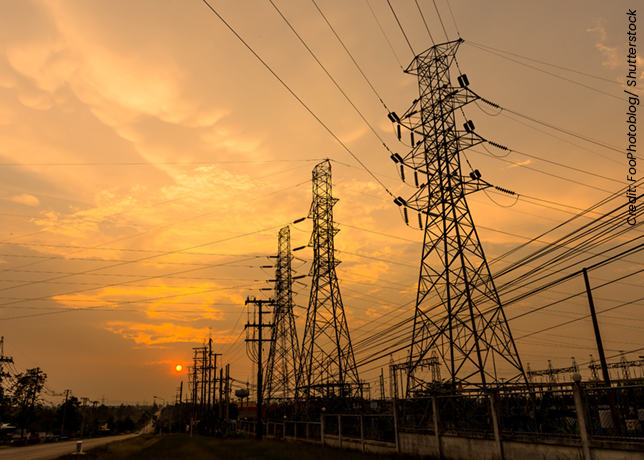
This physical consolidation enables the rapid integration of high-capacity solar installations and centralised carbon capture pipelines without requiring extensive transmission grid overhauls.
By concentrating renewable investments around primary load centres, state entities minimise line losses and streamline the construction of large-scale infrastructure.
FORWARD IMPLICATIONS & PROJECT EXECUTION
The long-term success of this strategy relies on the synchronised execution of multiple major infrastructure developments.
The Qatar National Renewable Energy Strategy outlines a clear roadmap to elevate the share of renewables in the national power mix from historical levels of around 5 per cent to 18 per cent by 2030.
Achieving this milestone requires building upon established utility assets, including the 800 MW Al Kharsaah solar plant and the 875 MW combined facilities situated at Ras Laffan and Mesaieed.
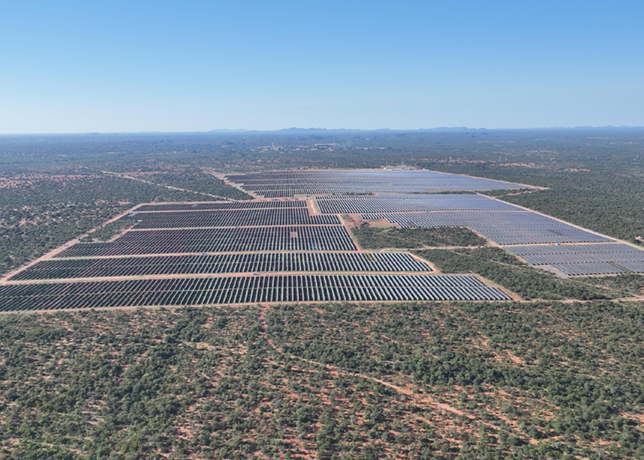
A major step in this expansion was taken when QatarEnergy awarded an engineering, procurement, and construction contract to Samsung C&T to build the 2 GW Dukhan Solar Power Plant.
Spanning 27 sq km 80 km west of Doha, this facility will feature 2.74 million solar panels and double national solar production capacity upon full operational ramp-up.
Once fully integrated alongside existing assets, total solar capacity will reach over 3.6 GW, moving the nation toward its 4 GW goal by 2030.
Simultaneously, carbon management infrastructure is undergoing a parallel expansion.
QatarEnergy is expanding its carbon capture, utilisation, and storage infrastructure in Ras Laffan, targeting a capture capacity exceeding 11 million tonnes per annum by 2035.
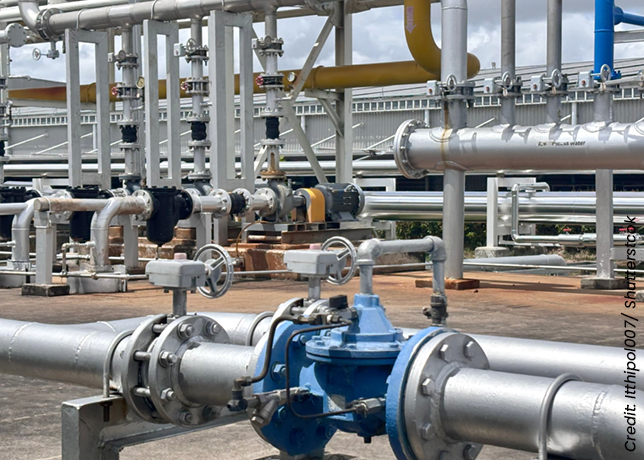
This expansion expands upon an active operational capacity of 2.2 million tonnes per annum, utilising dedicated injection wells and pipeline networks to store captured carbon dioxide permanently in deep saline aquifers or deploy it for enhanced oil recovery pilot projects.
On the distributed generation front, Kahramaa launched the BeSolar programme.
This initiative introduces net-billing incentives to encourage private, commercial, and governmental facility owners to construct grid-connected rooftop solar installations, aiming to add up to 200 MW of distributed capacity.
Together, these projects form a unified technological architecture aimed at decarbonising domestic power generation while sustaining long-term industrial output.