








































The US energy sector is undergoing a historic phase of expansion driven by the Gulf Coast and the State of Texas, solidifying the region as the global epicentre of the nation’s energy trade.
According to forecasts by the Energy Information Administration (EIA), domestic natural gas production is projected to reach a record high of 122.5 billion cu ft per day (bcfpd) in 2026, with the Permian Basin serving as the primary driver by contributing 29.2 bcfpd.
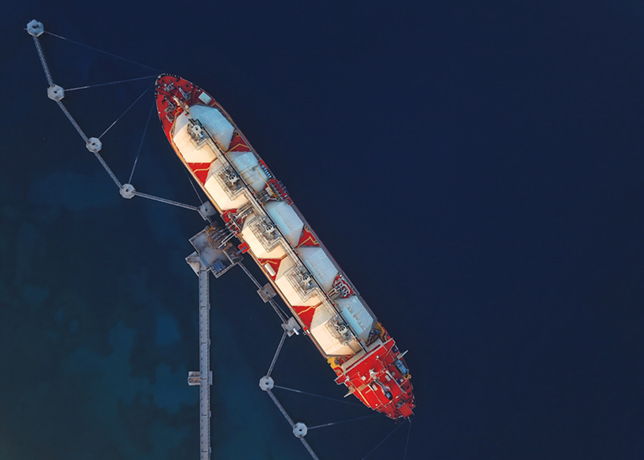
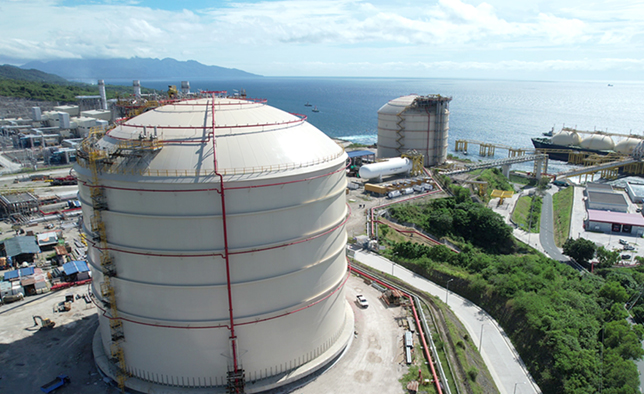
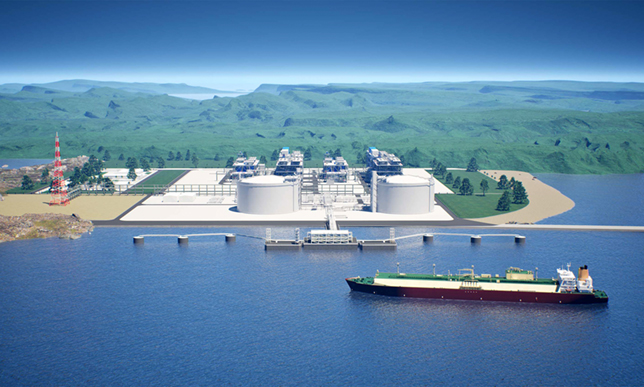
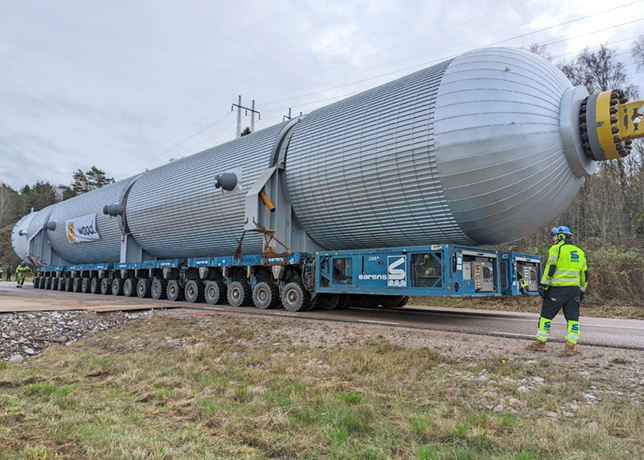
Coupled with this surging extraction is massive investment in midstream transport infrastructure and the commissioning of liquefied natural gas (LNG) megaprojects along the Texas coastline.
Facilities such as Port Arthur LNG, Golden Pass, and the Corpus Christi Stage 3 expansion represent critical capital deployment aimed at connecting prolific regional supply with expanding international demand.
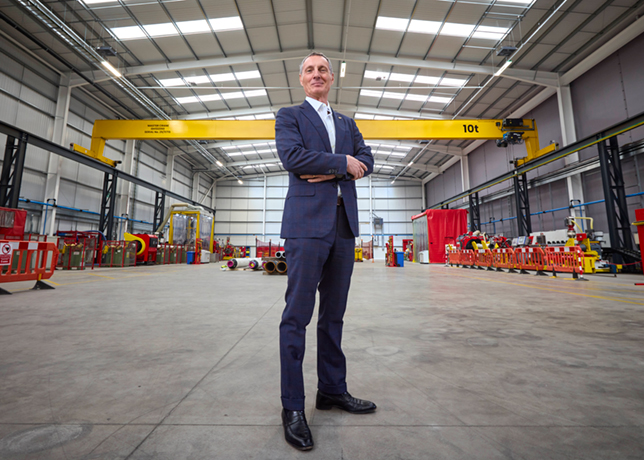
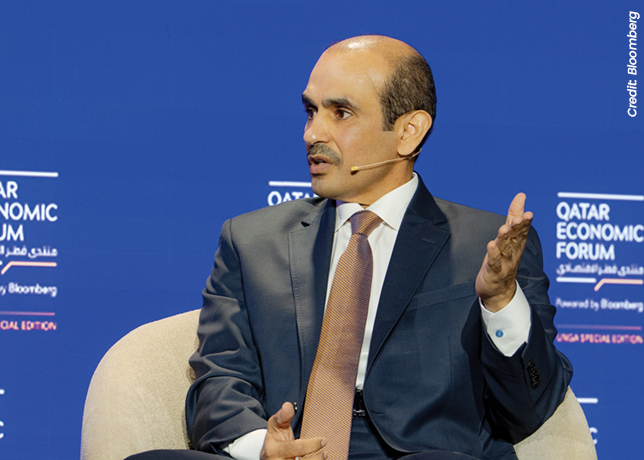
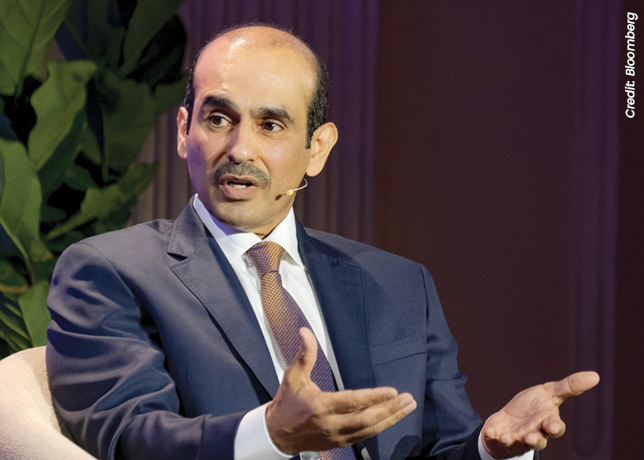
As Victor Martinez, Country Manager for Sarens USA, notes, the energy map of Texas and the Gulf Coast is experiencing a transformative moment that redefines global trade flows.
ADOPTION ACROSS EMERGING END MARKETS
While macro-scale export infrastructure expands, unlocking the full domestic potential of LNG depends on overcoming persistent midstream constraints, aligning long-term investments, and establishing supply chain confidence.
In the small-scale LNG segment, market development has diverged significantly from early adoption forecasts.
Fifteen years ago, rapid marine sector adoption was anticipated due to abundant domestic gas supplies and engine advances; however, infrastructure limitations, escalating project costs, regulatory uncertainty, and extended vessel investment cycles slowed momentum.
Conversely, the aerospace sector emerged after 2016 as a major source of demand as companies evaluated liquid methane for engine performance and reusable rocket designs.
Nevertheless, aerospace demand introduces distinct forecasting challenges because launch schedules and testing programmes fluctuate substantially.
Experience demonstrates that attractive market fundamentals alone cannot guarantee steady growth without synchronised commercial commitments, patient capital, and long-term agreements between suppliers and end users.
Solving the classic infrastructure challenge requires developers to align facility construction, transportation assets, and customer equipment into an integrated supply chain.
Early market entrants such as Pivotal LNG optimised underused utility peak-shaving capacity before acquiring assets like Trussville LNG in Alabama to serve over-the-road trucking, marine bunkering, and containerised deliveries to Puerto Rico.
Strategic joint ventures, including JAX LNG at the Port of Jacksonville and Towanda LNG in Pennsylvania, subsequently expanded production to support maritime bunkering, Appalachian gas monetisation, Northeast utility peaking, and aerospace requirements.
The primary structural gaps remaining across the industry include additional liquefaction capacity, broader port coverage, expanded bunkering assets, and sufficient long-term off-take commitments to underwrite upcoming capital cycles.
Furthermore, decarbonisation policies like the International Maritime Organisation (IMO) Net-Zero Framework present both commercial catalysts and strategic uncertainties.
Regulations provide long-term direction that encourages investment in LNG alongside lower-carbon pathways like renewable natural gas (RNG) and synthetic methane, yet unclear carbon pricing mechanisms and lifecycle accounting continue to complicate long-term capital allocation decisions.