
















Sinsina Industrial Works (SIW) is expanding its capabilities in engineered skid packages and modular solutions to support the Middle East’s growing energy and industrial sectors.
Through strategic investments in local engineering, assembly and fabrication capabilities, the company is strengthening its ability to deliver customised skid packages and integrated solutions for complex energy and industrial applications.
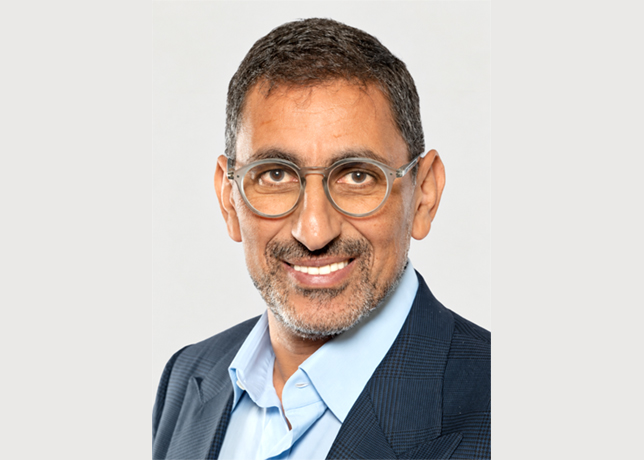
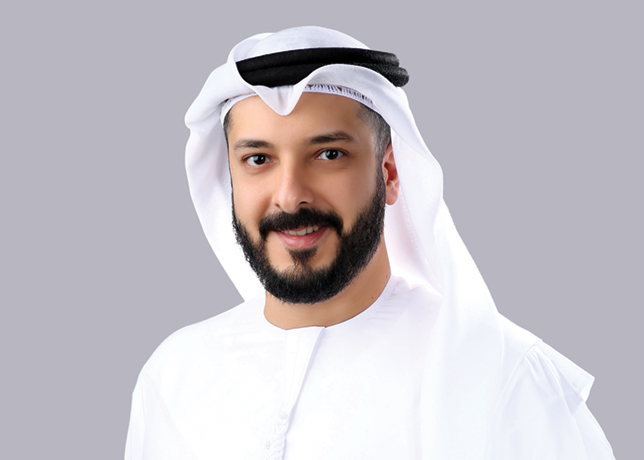
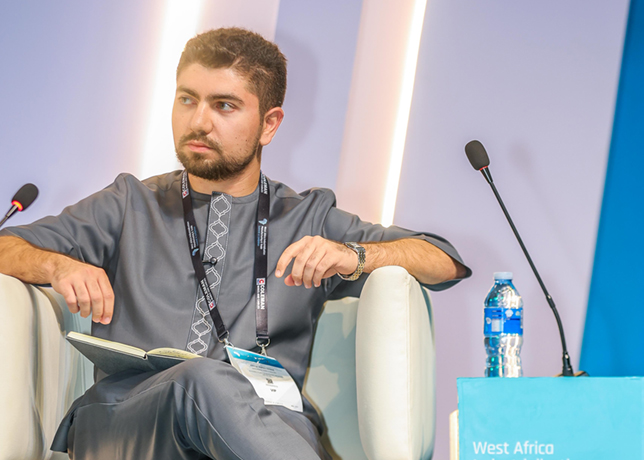
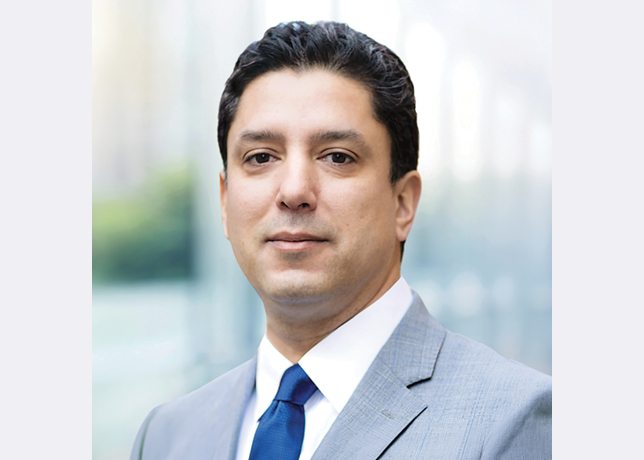
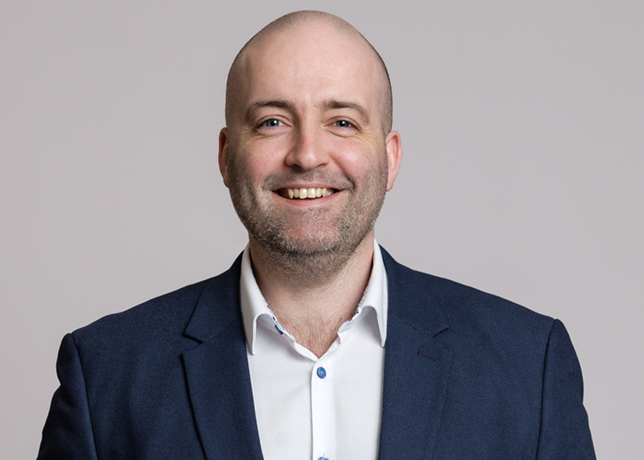
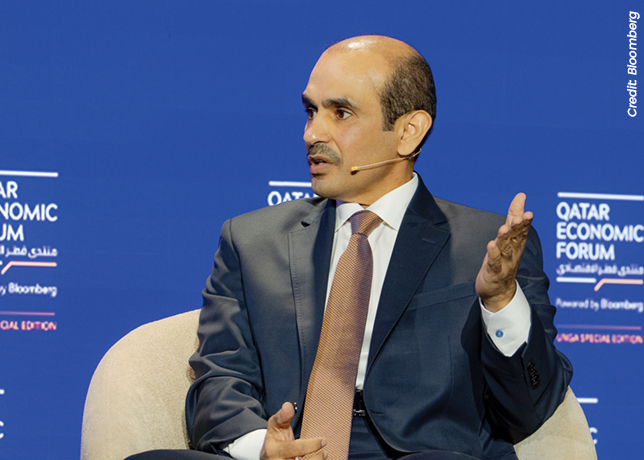
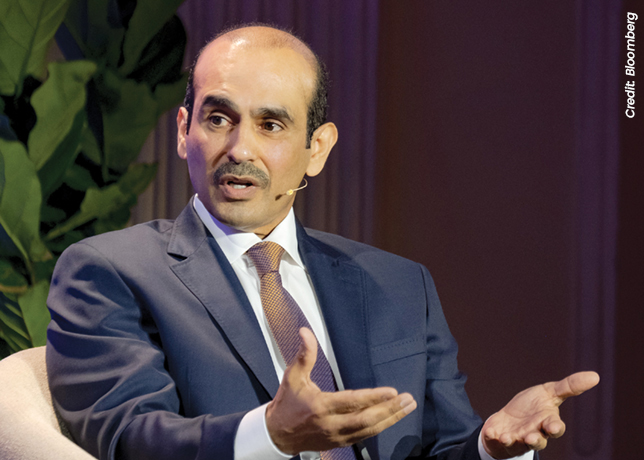
In an exclusive interview with OGN energy magazine, Mirza Marhoun, CEO of SIW, says: “Our focus remains on expanding local content and delivering high-value engineering solutions that directly support the region’s evolving energy landscape.”
The company’s expansion reflects a broader shift across regional markets towards strengthening local supply chains and developing in-country engineering and manufacturing capabilities.
By combining engineering expertise with advanced fabrication, assembly and testing capabilities, SIW is positioning itself to deliver reliable, cost-competitive skid packages while supporting faster project execution for major energy and industrial operators.
These capabilities enable the company to provide integrated, application-specific solutions tailored to demanding operational environments, while maintaining stringent quality and performance standards.
Below are excerpts from the interview:
How would you describe SIW’s role within Sinsina and its position in Saudi Arabia’s industrial manufacturing landscape?
SIW serves as the core engineering, shop-led manufacturing, and custom fabrication engine of Sinsina Holding.
Positioned out of Jubail Industrial City, SIW occupies a strategic niche in Saudi Arabia’s industrial ecosystem as a specialised local provider of integrated process skids, custom steel structures, and electrical/instrumentation integration for energy, oil and gas, and heavy utility sectors.
Rather than functioning merely as a traditional job shop, SIW acts as a specialised off-site modular solutions partner, bridging the gap between raw material sourcing and plug-and-play field installation for major regional energy operators like Saudi Aramco and SABIC.
-package-at-Sinsina-Industrial-Works.jpg)
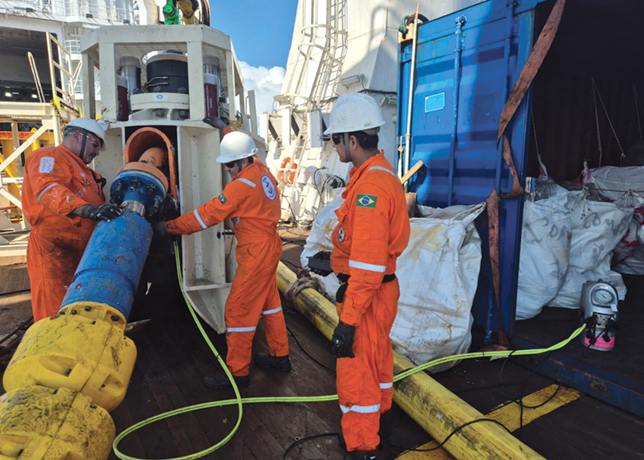
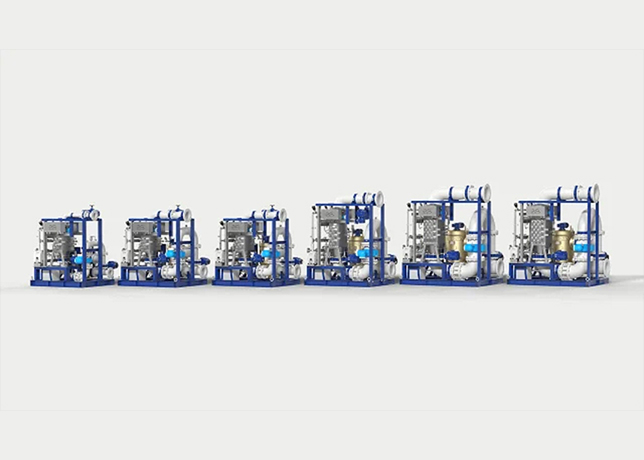
Assembly and testing of the Annular Riser Skid (ARS) package at Sinsina Industrial Works
How has SIW’s manufacturing capability evolved, and what capabilities or projects best demonstrate where the company stands today?
Founded in 2018, SIW’s manufacturing capabilities have shifted from structural steel assembly toward high-precision, multi-disciplinary modular engineering.
Today, the company leverages shop-led off-site fabrication to move critical assembly work from unpredictable field conditions into controlled factory environments.
Its advanced multi-disciplinary integration allows them to combine mechanical equipment, specialised piping, such as Inconel alloys and 316SS, electrical systems, and instrumentation into a single cohesive skid package.
Demonstrating compliance with rigorous international quality standards (ISO 9001, ISO 14001, and ISO 45001), SIW secured an Aramco long-term agreement (LTA) for gas modular skids.
This modern capability is best demonstrated by their signature project deliveries, which include major modular skid packages, such as the Rev 6 and Rev 8 gas modular skids, alongside surge relief and chemical injection skid packages.
What key opportunities do you see for SIW as Saudi Arabia continues to expand local manufacturing and industrial capacity?
As Saudi Arabia accelerates local industrial capacity under Vision 2030, SIW is positioned to capture key growth areas across major fronts.
Firstly, the company can capitalise on the growing demand for modularisation by leveraging the shift toward off-site pre-commissioning to reduce field labour costs and shorten schedule risks in mega-projects.
Secondly, SIW is well-positioned to expand into specialised chemical and gas processing skid packages, such as carbon capture, gas processing, and water injection skids, as greenfield industrial parks expand across the Kingdom.
And finally, SIW can serve as an agile local partner for international OEMs seeking in-Kingdom joint ventures and partnerships to establish or expand their localised manufacturing capabilities within Saudi Arabia.
How is SIW contributing to localisation, particularly through local manufacturing, supply chain development and Saudi talent?
SIW actively contributes to national localisation directives by driving local procurement spend, retaining high-tech engineering and machining capabilities within Jubail, and reducing dependency on imported pre-assembled skids under the In-Kingdom Total Value Add (iktva) framework.
To strengthen domestic supply chain resilience, the company prioritises supply chain localisation by sourcing structural materials, piping components, and sub-tier services locally whenever possible.
Furthermore, SIW advances Saudi workforce empowerment by investing in local engineering talent, delivering advanced technical training, and fostering shop-floor skills transfer to nurture a specialised Saudi industrial workforce.
What changes do you expect to see in Saudi Arabia’s industrial manufacturing sector over the coming years, and how is SIW preparing to respond to them?
Over the coming years, Saudi Arabia’s industrial manufacturing sector is expected to undergo rapid evolution driven by three key trends:
• Industry 4.0 and advanced manufacturing: The sector is shifting toward digital transformation, advanced CNC machining, and automated production processes.
• Strict iktva and local content mandates: Stringent iktva policies are raising local content requirements, driving procurement spend within the Kingdom, and reducing reliance on imports.
• Decarbonisation and clean modular solutions: Growing environmental standards are increasing the demand for clean modular skids and sustainable industrial infrastructure.
SIW is actively preparing to respond to these shifts by upgrading its workshop machinery and integrating automation capabilities into its facilities.
The company is also expanding its technical certifications to maintain compliance with evolving standards while strengthening local supply chain networks to meet higher in-kingdom value mandates.