














































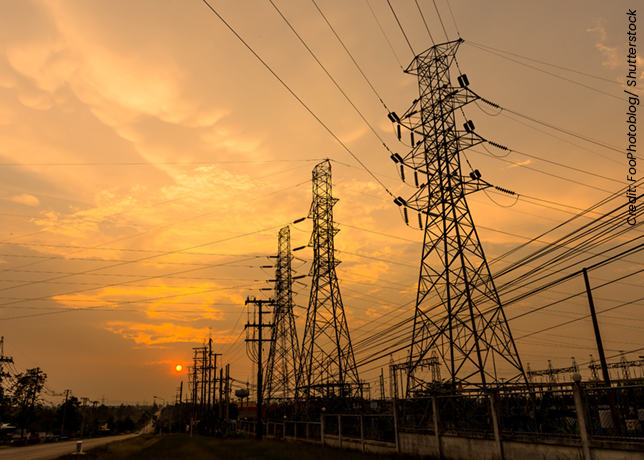
A proposed global target to meet 35 per cent of final energy consumption through electricity by 2035 is within reach, with cost-effective technologies capable of raising electricity’s share to 33 per cent by that year, according to a new International Energy Agency (IEA) report.
The analysis, commissioned by Türkiye and Australia to inform COP31 discussions, says faster electrification could strengthen energy security, improve competitiveness and cut emissions.
Based on existing technologies and energy prices seen before the current supply shock, electricity could account for 33 per cent of global final energy consumption by 2035, up from 23 per cent today.
Faster electrification could reduce fuel-import bills in importing countries by more than $400 billion by 2035 compared with 2025, while cutting oil demand by around 18 million barrels per day.
The shift could also deliver significant emissions reductions in transport, buildings and industry, which together generate more than half of energy-related carbon dioxide emissions.
Under the IEA’s faster-electrification scenario, emissions from these sectors fall by 40 per cent by 2035, helping put overall energy-related emissions on a downward trajectory.
The report highlights opportunities across regions, including electric vehicles, agricultural pumps and electric two- and three-wheelers in emerging economies.
It also says electrification can strengthen energy security by reducing reliance on imported fuels.
However, achieving faster growth will require investment in electricity generation, grids and flexible power systems.
Policymakers must also address cybersecurity, critical-mineral supply chains and climate-related risks, while helping households and businesses manage upfront costs.