












































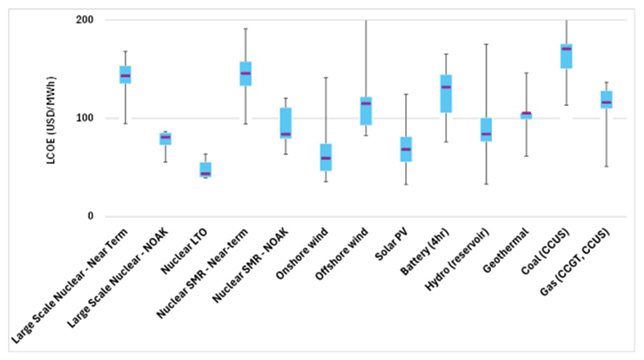
Electricity systems are becoming cleaner and more diverse but increasingly expensive, with generation costs reaching $100/MWh or more in most countries, according to the NEA and EPRI’s Costs of Generating Electricity 2025 report.
The study compares 23 technologies across 21 NEA member countries, highlighting the growing importance of system-wide costs, including reliability, flexibility and grid integration.
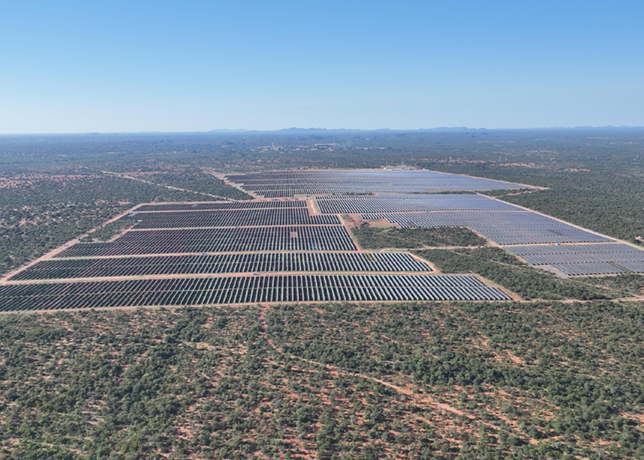
Existing nuclear plants, hydropower, onshore wind and solar PV can remain below $100/MWh under certain conditions.
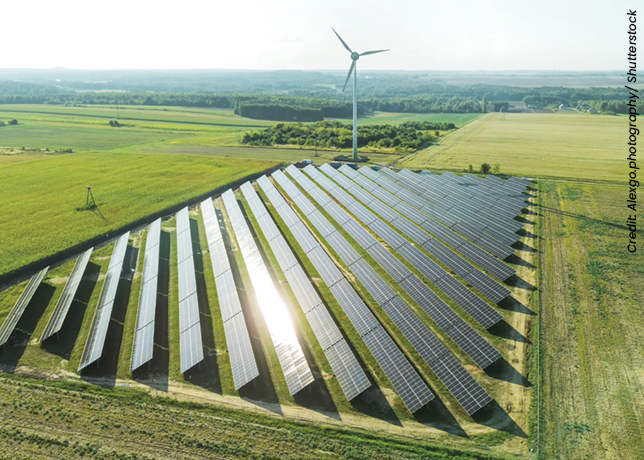
However, the report finds that wind and solar have seen no significant further cost reductions in the latest analysis, while offshore wind remains relatively expensive.
Geothermal shows potential as a competitive, dispatchable low-carbon source where resources are suitable.
The report also highlights nuclear’s cost potential as projects move from first-of-a-kind designs to standardised, repeated construction.
Supply-chain constraints, workforce shortages and limited recent experience can raise costs initially, but series construction can reduce costs significantly.
Emerging technologies including SMRs, battery storage, hydrogen-fired turbines and CCUS-equipped plants are also gaining attention.
The analysis concludes that electricity planning should consider technologies as part of an integrated system rather than relying solely on LCOE.
Combining renewables, nuclear, storage, hydro, flexible gas generation, demand response and interconnections could improve reliability and energy security, depending on national circumstances.