






































By Abdulaziz Khattak
Regional energy majors across the GCC are rapidly transitioning from digital experimentation to execution, embedding artificial intelligence and automated systems directly into core field operations to drive measurable improvements in uptime, cost, and reliability.
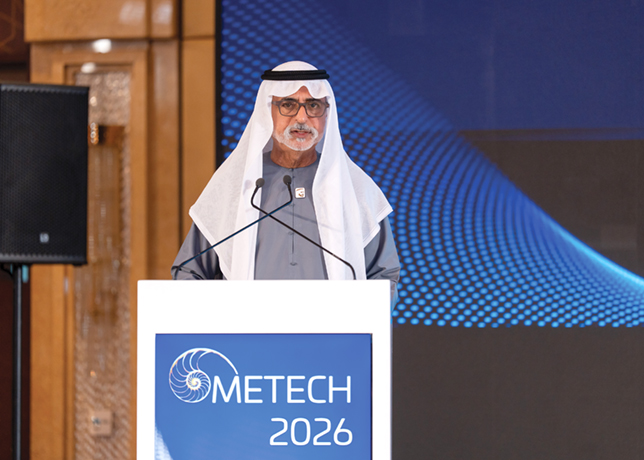
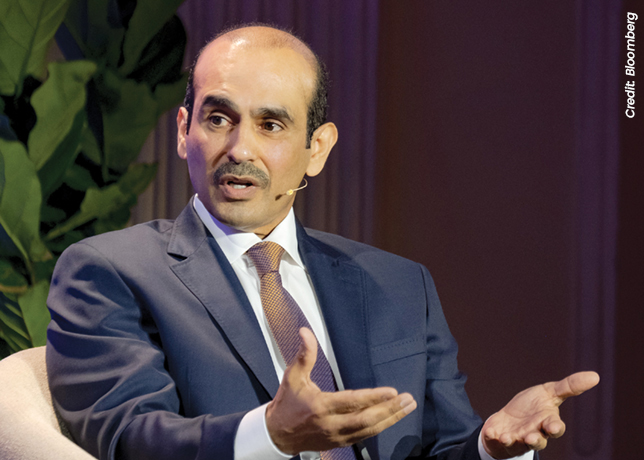
In an exclusive interview with OGN energy magazine, Haitham Al Jenaibi, Chair of the ADIPEC Technical Conference Programme, says: “The most immediate value is in everyday operations, including predictive maintenance, production optimisation and smarter planning that are already improving uptime, cost and reliability.”
Reflecting this industry-wide pivot toward practical, scalable field solutions, the upcoming ADIPEC Technical Conference received over 7,200 technical submissions, led by a record 1,296 papers in AI and digital transformation.
Below are excerpts from the interview:
As national energy majors across the GCC move from digital experimentation to execution, where do you see AI driving the most immediate, measurable improvements in field efficiency and operational performance?
The most immediate value is in everyday operations, including predictive maintenance, production optimisation and smarter planning that are already improving uptime, cost and reliability.
ADNOC aims to become the world’s most tech- and AI-enabled energy company and we continue to deploy AI solutions to improve efficiencies and unlock value.
Neuron 5, for example, autonomously monitors pressure, temperature and vibration data across thousands of critical assets.
It has demonstrated the potential to reduce unplanned shutdowns by up to 50 per cent and extend planned maintenance intervals by up to 20 per cent.
AIQ’s RoboWell has also delivered up to 30 per cent optimisation in gas-lift consumption and up to 5 per cent improvement in operating efficiency.
The common factor is execution, while intelligence is embedded directly into operational decisions.
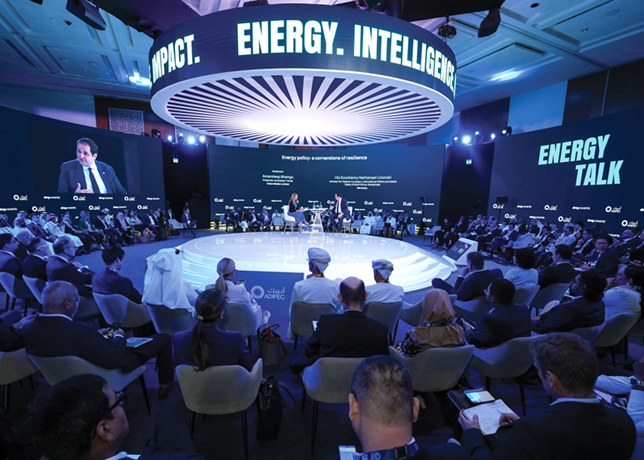
The ADIPEC Technical Conference 2026 received over 7,200 submissions, including 1,296 papers in AI and digital
What structural mechanisms are most critical for ensuring that cutting-edge global innovations are seamlessly adapted and deployed within regional Gulf assets?
Three mechanisms matter most:
• Firstly, structured field trials with clear technical criteria, so technologies are proven under real operating conditions.
• Secondly, early collaboration between operators, technology providers and research institutions, allowing solutions to be adapted to local needs.
• Thirdly, a clear pathway to scale.
A successful pilot that remains confined to one asset delivers limited value.
Adoption is an engineering and organisational challenge as much as a technology challenge, and it is one of the many promising areas the ADIPEC Technical Conference will explore this year.
How should regional energy leaders evaluate capital allocation decisions when balancing immediate brownfield modifications against high-cost investments in enterprise-wide digital oilfield platforms?
This should not be treated as a choice between the two. Brownfield modifications can deliver near-term returns, while enterprise platforms create the data foundation needed to repeat those gains across a portfolio.
The priority is disciplined sequencing: fund improvements that pay back now while building capability that compounds over time.
The test for any digital investment is simple: Does it improve a decision, strengthen a process or remove a constraint?
If not, the investment case is not yet clear.
How are GCC refiners and petrochemical producers deploying deep-learning algorithms to dynamically adjust yields and maintain margin advantage amidst volatile global market conditions?
By connecting process data, energy consumption and market signals, operators can optimise yields, manage energy intensity and adjust product slates as conditions change.
This year, the specialised Downstream Technical Conference received a record 977 papers, up 24.9 per cent on 2025, showing the pace at which new ideas are being explored by industry experts.
How are energy enterprises in the region balancing the deployment of global cloud-native technologies with strict national mandates regarding critical subsurface data retention?
ADNOC’s ENERGYai, the world’s first agentic AI solution built for the energy sector, shows how technology can be combined with national capability to create value while maintaining data sovereignty.
Developed in collaboration with AIQ, G42 and Microsoft, it combines AI agents with large language model technology trained on decades of proprietary ADNOC data.
Built in-country with UAE resources, all sensitive subsurface and operational data within ENERGYai remains securely governed and hosted in the UAE.
This both ensures data sovereignty and compliance with national regulations while aligning with ADNOC’s mission for secure and sovereign AI infrastructure.
How are energy operators across the GCC actively upskilling traditional engineering roles to build a local, digitally native workforce capable of managing fully automated energy operations?
The most effective approach is to build digital capability on top of engineering expertise, not treat the two as separate career paths.
Data science, automation and AI literacy should be embedded into technical development, with engineers applying those skills to live operational problems.
Graduate programmes, university partnerships and secondments into digital teams can all help. Technology alone does not deliver performance; capable people, supported by the right tools, do.
Looking ahead to this November’s conference, what prevailing operational challenges are global engineers most urgently seeking to address across the GCC energy value chain?
Three themes stand out: Resilience, digital transformation and decarbonisation.
This year’s ADIPEC Technical Conference received a record over 7,200 submissions, approximately 200 more than in 2025.
This includes 1,296 papers in AI and Digital Transformation, up 11.6 per cent, making it our largest SPE category.
Moreover, the new Techno-Economic Design and Strategic Decision-Making category received 85 submissions, showing that engineers are increasingly expected to think more commercially.
What is also striking is the focus on practical solutions that address real operational challenges and support scalable deployments across the energy value chain.