


























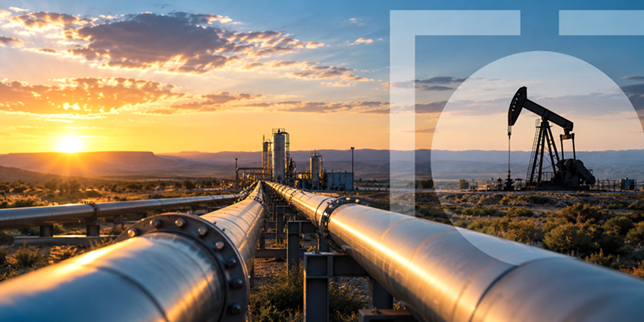



























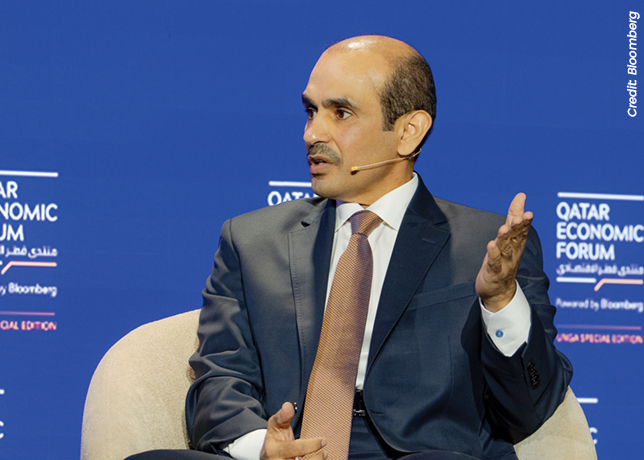



Global oil inventories could hit critical or historically low levels just ahead of the peak summer demand period if stock draws continue at their current pace, Reuters quoted the head of the International Energy Agency's oil industry and markets division as saying.
"We're seeing stock draws continuing into the summer, and with the possibility or the likelihood that we reach critical levels or historical low levels just ahead of the peak summer demand," Toril Bosoni said.
Meanwhile, an IEA report earlier said the far-reaching effects of the conflict in the Middle East are prompting countries and companies to rethink energy investment strategies in response to heightened concerns over energy security and the reliability of trade flows, according to a new IEA report.
The 2026 edition of the IEA’s annual World Energy Investment report highlights that the current energy crisis, stemming from the effective closure of the Strait of Hormuz, is changing risk perceptions and bolstering moves towards greater diversification.
Coming just a few years after the energy crisis centred around Russia’s invasion of Ukraine in 2022, today’s supply shock is expected to leave a lasting imprint on future investment priorities, particularly in Asia and the Middle East, where the impacts of the disruptions to shipping flows through the Strait of Hormuz have been felt most acutely.
“We are in the midst of the largest energy security crisis the world has ever faced – and I believe this will reshape investment strategies globally, with parallels to the major changes the energy world witnessed after the oil shocks of the 1970s,” said IEA Executive Director Fatih Birol.
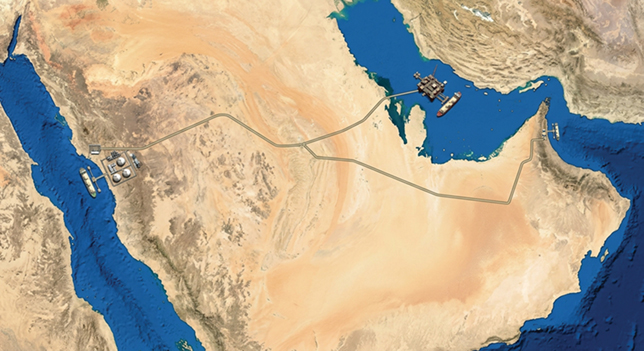
“We are already seeing intensified efforts by both producer and consumer countries to diversify trade routes and energy sources – such as advancing new pipelines and other supply infrastructure, on the one hand, and turning more to domestically available resources, on the other. These range from renewables and nuclear to coal, oil and gas, in some cases – as well as broader measures to strengthen electricity systems, expand electrification and accelerate energy efficiency.”
The report projects that global energy investment will reach $3.4 trillion in 2026, a slight increase year-on-year. Around $2.2 trillion is expected to go to grids, storage, low-emissions fuels, nuclear, renewables, efficiency and electrification in 2026, while around $1.2 trillion is set to be invested in oil, natural gas and coal.
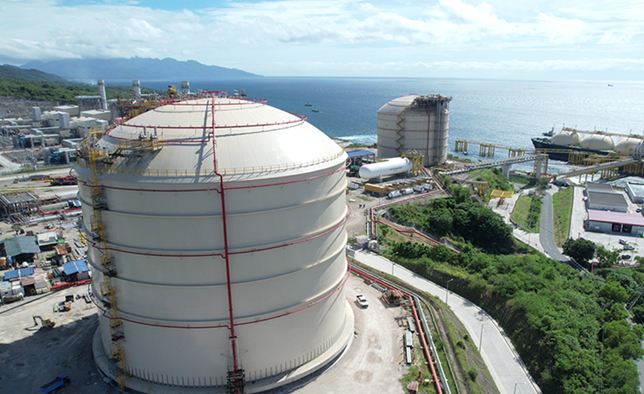
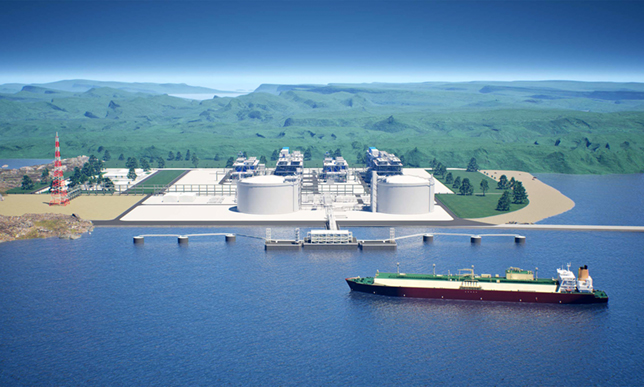
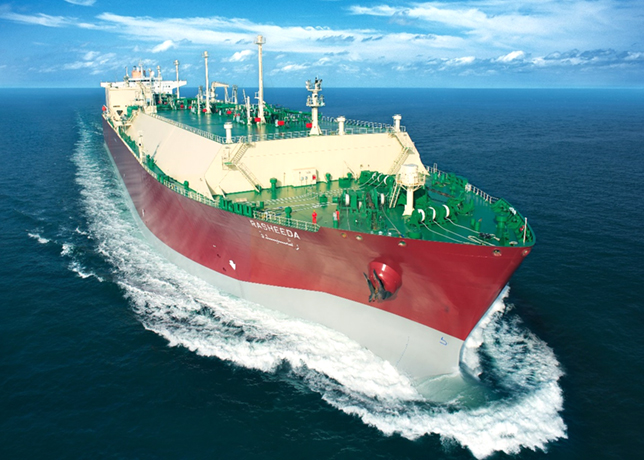
Despite higher oil prices, oil investment is expected to decline for a third consecutive year in 2026, falling below $500 billion. The report finds that uncertainty over the duration of the price spike, long project lead times, supply chain constraints and tighter offshore rig markets are limiting near-term spending responses outside the Middle East. At the same time, natural gas investment is projected to rise to $330 billion, the highest level in a decade, supported by a wave of new LNG export projects, particularly in the United States and Qatar.
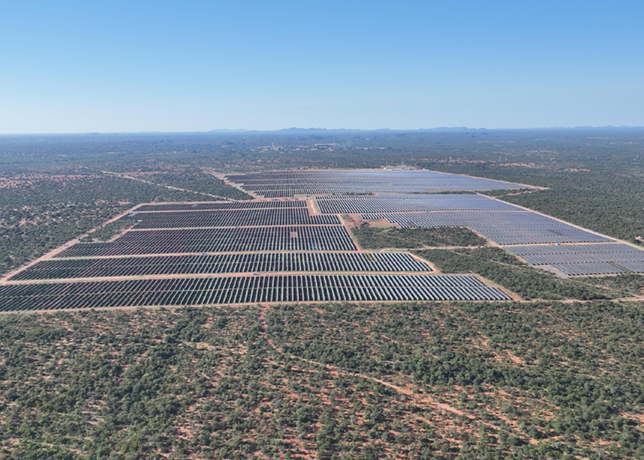
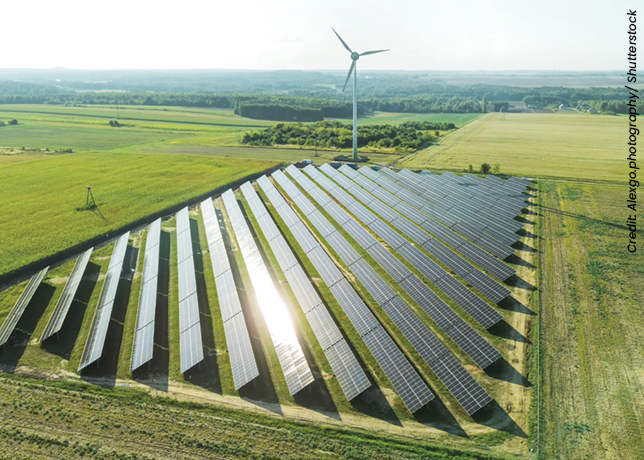
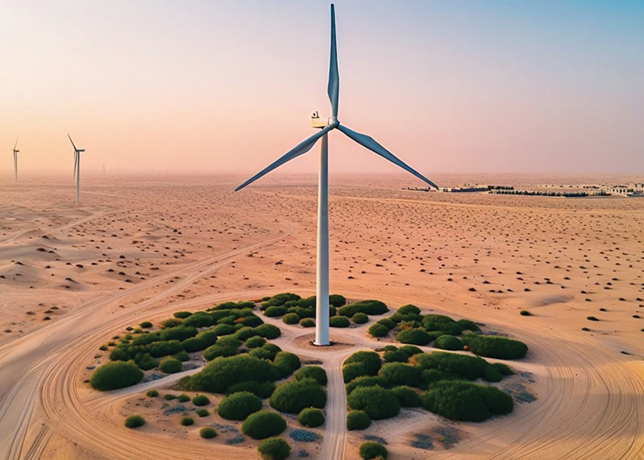
The report highlights growing interest among fuel-importing countries in energy sources available domestically including renewables, nuclear power and, in some cases, coal. Investment in renewable power projects is expected to total around $665 billion in 2026, with $365 billion going toward solar alone. While annual investment growth in renewables has moderated following several years of rapid expansion, low-emissions sources still account for more than 70% of total power generation investment globally. Nuclear investment is continuing its resurgence, exceeding $80 billion annually, with close to 80 gigawatts of new nuclear capacity under construction across 15 countries.