




























































Oil prices settled lower on Friday after the latest round of US-Iran fighting as traders grew hopeful that shipping would eventually resume in the Strait of Hormuz, but prices finished with sharp weekly gains.
Brent crude futures fell by 29 cents to close at $76.01 a barrel. US West Texas Intermediate crude finished at $71,41 a barrel down 67 cents or 0.93%.
For the week, Brent gained about 5.50% and WTI nearly 4%, reported Reuters.
"This market is ready, willing and able to jump on good news or at least no bad news," said John Kilduff, partner with Again Capital. "And it looks like the escalation won't get any worse."
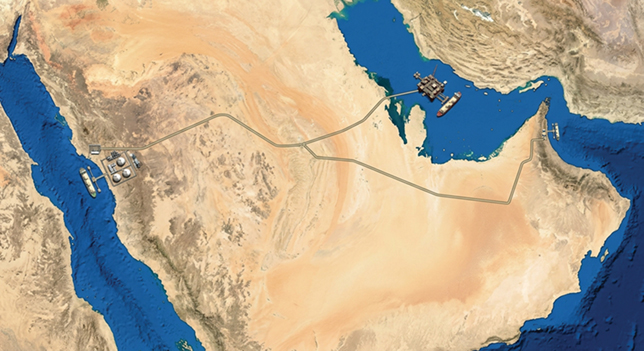
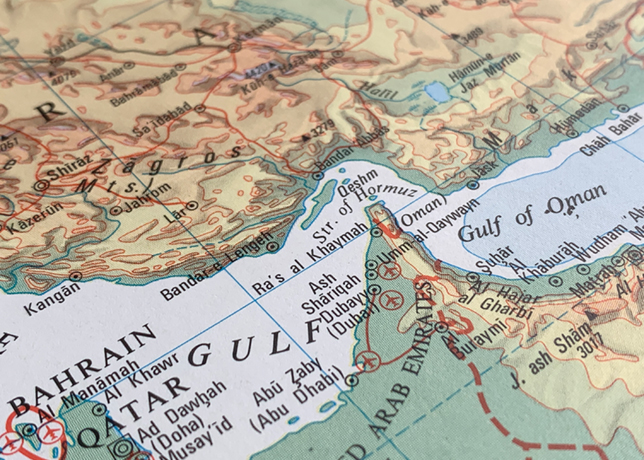
With the end of tit-for-tat air strikes and the promise of renewed talks between the US and Iran next week, traders looked forward to the Strait of Hormuz reopening.
On Thursday, Iranian armed forces launched attacks on US military infrastructure in Gulf states after US strikes on Iran's southern coastal and eastern provinces.
Prices pared gains after a Reuters report said Qatari negotiators were in Iran to meet Iranian officials in an effort to de-escalate tensions and create conditions for broader negotiations to continue.
Separately, Iranian media reported multiple explosions across southern Iran. The area included Bushehr, where one of the country's nuclear plants is located.
President Donald Trump on Friday said the US and Iran have agreed to continue peace talks, but said Washington told Tehran "in no uncertain terms, that the Cease Fire is OVER!"
Leading industry experts said they were looking for a return to negotiations in coming days, and back to the threat of an “oversupplied crude oil market shortly thereafter,” reported the Wall Street Journal.
“We expect the renewed tension in the Middle East between the US and Iran to be relatively short-lived because both countries are constrained by practical economic and political realities,” said Vikas Dwivedi of Macquarie Group MQG in a note.
For the US, there’s the risk of higher prices returning with fewer mitigation sources available, and the risk of Iran materially damaging the Middle East’s oil infrastructure, stated Dwivedi.
Iran has arguably negotiated a “great deal,” stated the expert, adding that “we would be surprised if they overplay a good hand and test President Trump’s patience and restraint for minimal remaining gain.”
The recent escalation in hostilities between the US and Iran could upend the International Energy Agency's forecast of a significant oil market surplus next year.
Elsewhere, the IEA downgraded its projections on Russian oil production because of Ukrainian attacks on the country's energy infrastructure, the agency said on Friday.
Russian gasoline output fell to a level equivalent to only around 65% of the seasonal average consumption after Ukrainian drone attacks led to stoppages at large oil refineries, according to two industry sources.