



























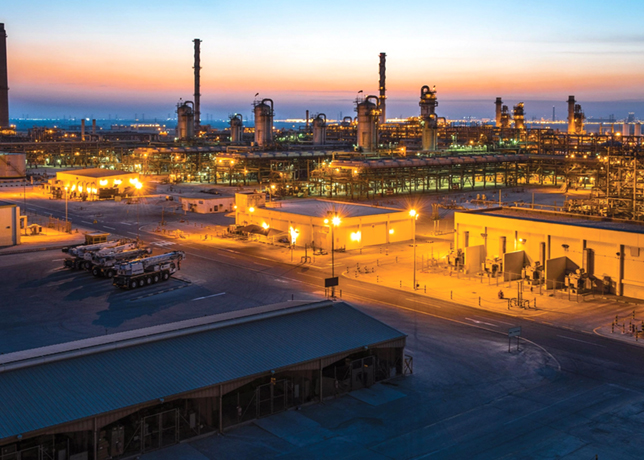
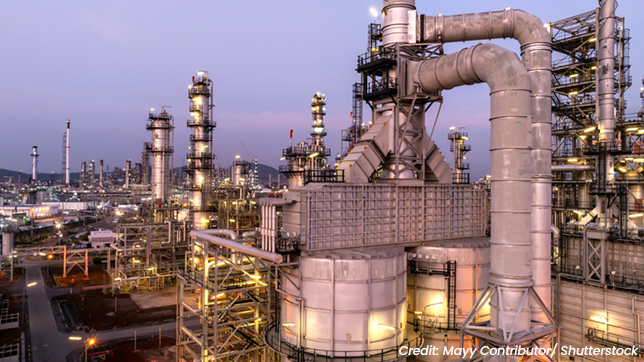
























Air defence systems in Saudi Arabia intercepted two ballistic missiles from Yemen on Saturday targeting oil refineries in Yanbu, Greek security sources told Reuters, a day after US forces launched fresh air strikes on Iran.
Saudi civil defence had issued several warnings for Yanbu, on the Red Sea, and later said the danger had passed. Civil defence also issued a warning for the port city of Jizan about 1,000 km to the south, close to the Yemeni border. There were no immediate official reports of damage.
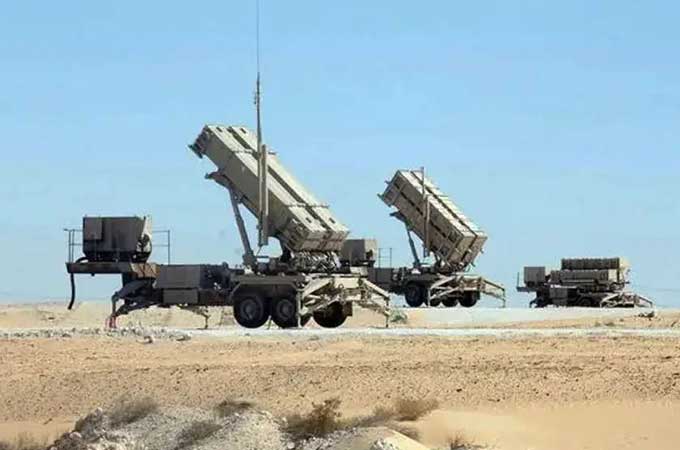
The defence system was operated by Greek military personnel, the sources said. Greece has deployed a US-made Patriot air defence battery in Saudi Arabia since 2021 under an agreement to help protect the kingdom's energy infrastructure.
Meanwhile, US President Donald Trump on Friday vowed "major military punishment" for Tehran and its Houthi allies in Yemen, after the Houthis said they had struck two Saudi tankers in the Red Sea on Thursday.
Trump has threatened in recent days to widen the range of targets to include Iran's energy plants and bridges, send ground forces to seize its oil hub of Kharg Island, and bomb a deep-underground nuclear-linked site known as Pickaxe Mountain, said the report.
As Iran retaliated on Friday with missile and drone fire against US bases and allies across the region, the New York Times reported that Tehran had rejected a US ceasefire proposal delivered by the Iraq prime minister, Ali Al Zaidi. This despite the US secretary of state, Marco Rubio, claiming a day earlier that Iran was begging for a ceasefire. Iraq later disputed the report.
The Houthis, who control northern and western Yemen, have declared a naval blockade of Saudi Arabia. They insisted on Friday that only Saudi-linked trade was under blockade as ships in the Red Sea broadcast messages to the group identifying ownership, flag and crew in the hope of securing a safe passage, reported The Guardian.
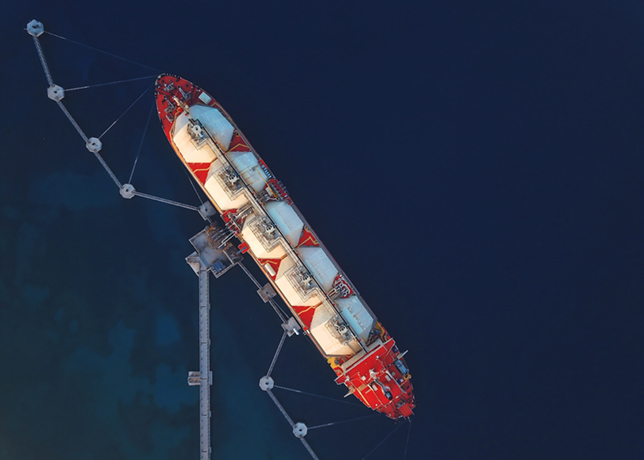
The Houthis struck two Saudi tankers on Thursday in the Bab El Mandeb strait, pushing oil prices up 7% to more than $100 per barrel for the first time since May.
The attacks forced several other tankers to turn around and head north through the Suez canal, a much longer and more expensive route to reach Asia by sailing around Africa, it added.
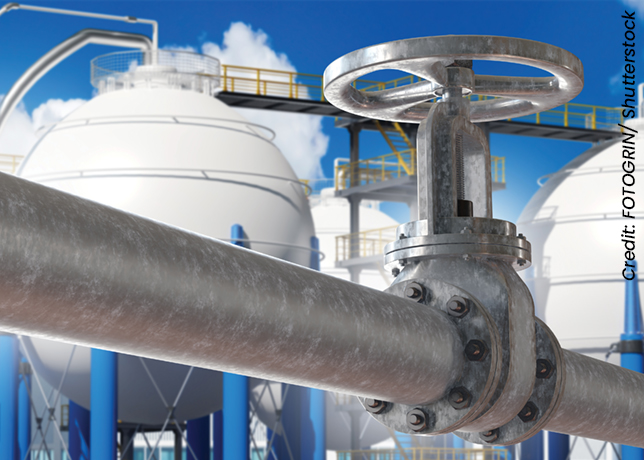
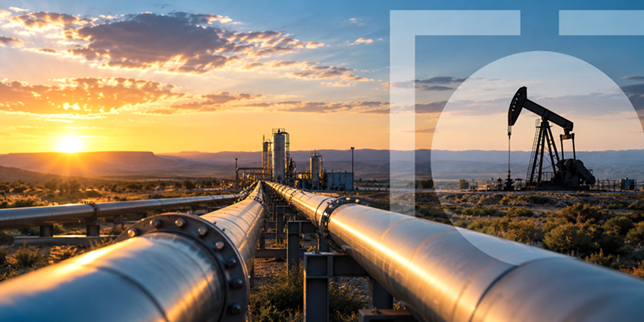
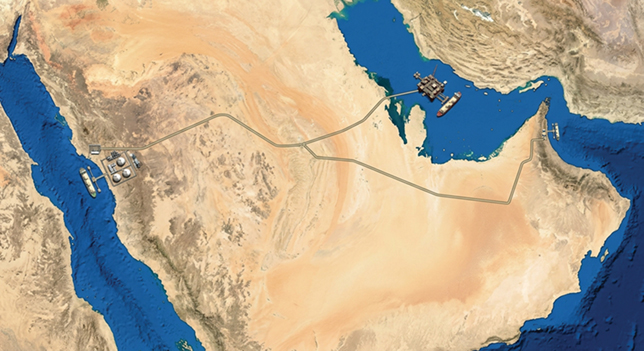
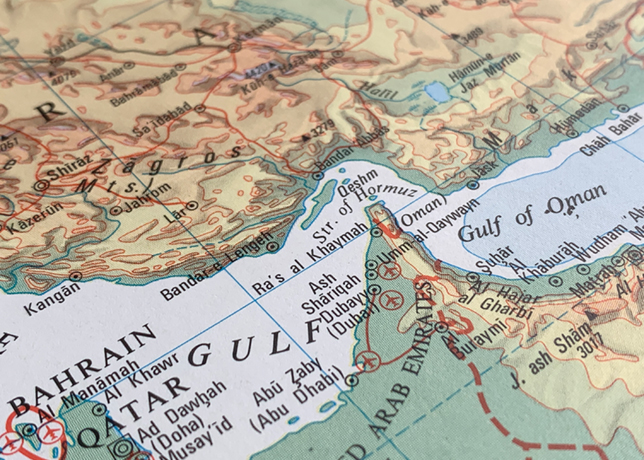
The kingdom has been diverting millions of barrels of oil by pipeline each day to the Red Sea to skirt Iran's near-total blockade of the Strait of Hormuz on the Gulf.
For years, Saudi Arabia's strategic answer to any disruption in the Strait of Hormuz has been remarkably straightforward, said analysts at Oilprice.
“If volumes via the Persian Gulf were threatened, the answer was to pump west through the East-West Pipeline to Yanbu on the Red Sea. Markets have always seen this as reassuring, while strengthening Saudi energy security and reducing dependence on Hormuz,” they stated.
However, the current developments in the Red Sea, especially Bab El Mandab, have exposed a critical weakness in that assumption. The East-West Pipeline is not solving the total problem, as once crude reaches Yanbu, it still has to leave the Red Sea.
The Bab El Mandab is now, however, inaccessible due to a sustained Houthi blockade. The Kingdom now faces a logistical challenge with significant geopolitical implications, as a closure could disrupt global oil markets and shift strategic power balances.
The US and UK are set to hold a conference in London next week to discuss the Strait of Hormuz, reported the BBC. US Defence Secretary Pete Hegseth and Chairman of the Joint Chiefs of Staff Dan Caine will attend the conference, which was first reported by Axios.
It comes as Israeli Prime Minister Benjamin Netanyahu is scheduled to meet the US president at the White House on Tuesday.