


































































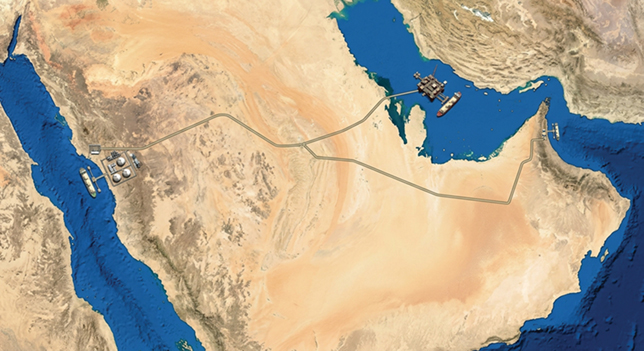



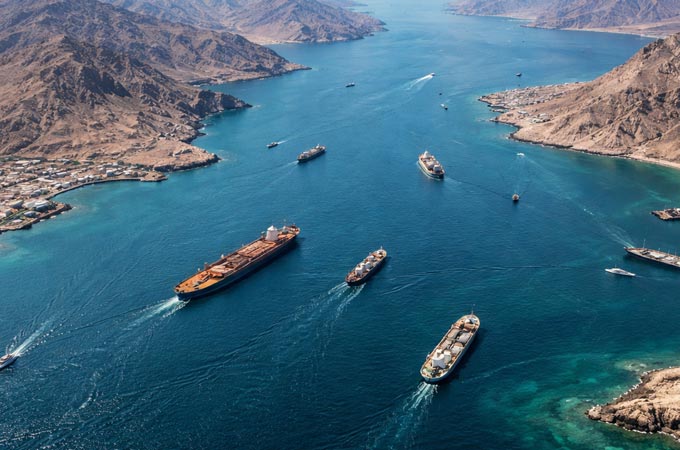
 AI generated image for representation only.
Oil prices climbed sharply on Wednesday as renewed military clashes between the United States, Saudi Arabia and Iran kept traders on edge about supply disruptions, even as Oman unveiled a Gulf-backed proposal aimed at safeguarding shipping through the Strait of Hormuz.
Brent crude futures rose $3.22, or 3.83%, to $87.31 a barrel, while US West Texas Intermediate (WTI) crude gained $3.00, or 3.79%, to $82.26 a barrel. The rally was driven by heightened geopolitical risks following fresh attacks across the region.
Meanwhile, a Reuters report said Oman has presented Iran with a proposal backed by Gulf states to establish a framework for managing traffic through the Strait of Hormuz. The plan includes a mechanism for voluntary contributions by shipping companies to support the operation and security of the waterway, which carries around one-fifth of global oil supplies.
The initiative is intended to provide a basis for restoring confidence in commercial shipping after weeks of disruption caused by the US-Iran conflict. However, Washington has rejected any arrangement involving transit tolls, maintaining that the Strait of Hormuz is an international waterway that must remain open to unrestricted navigation.
Despite the diplomatic push, oil markets remained focused on the deteriorating security situation. Prices accelerated after the United States and Saudi Arabia carried out joint strikes against Iran-backed militia targets in Iraq, followed by the US military's interception of what it described as a "surprise" Iranian ballistic missile attack targeting American forces in the region.
The renewed hostilities erased much of Monday's steep decline, when oil prices had fallen around 8% after President Donald Trump indicated Washington was pausing plans to intensify military action against Iran, raising hopes of a diplomatic breakthrough.
Further support came from expectations of tighter US crude supplies after industry data showed domestic inventories fell by 3.3 million barrels last week, ahead of official government figures due later on Wednesday.