















































 Image by ArtistGNDphotography/ iStock
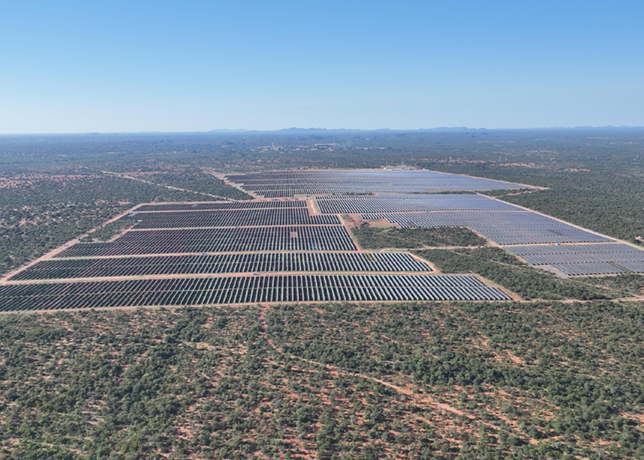
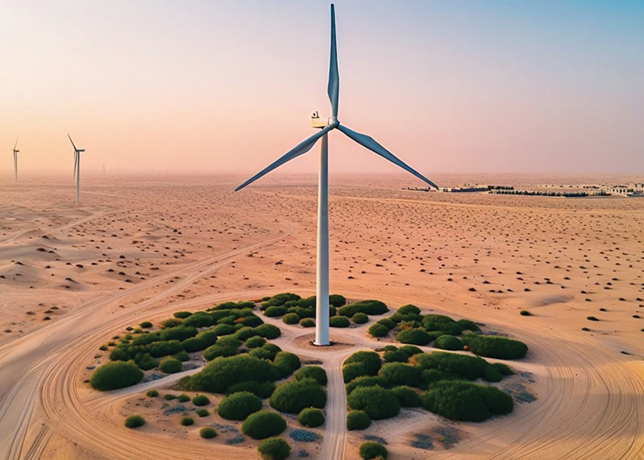
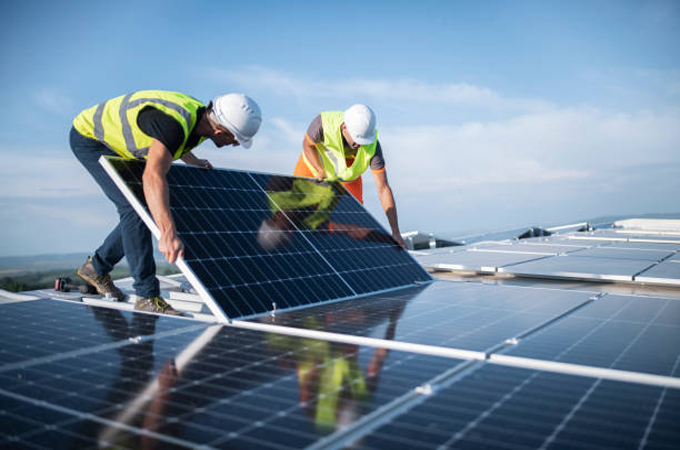
Large-scale urban developments across the Gulf could generate up to 35 per cent of their electricity needs through on-site solar power while reducing costs by a similar margin, according to a new report by Boston Consulting Group (BCG).
The report, Mega-Projects Powered by Renewables: A Practical Playbook for Saudi Arabia, highlights the economic and environmental benefits of integrating renewable energy into city planning from the earliest stages.
While based on modelling in Saudi Arabia, the findings apply broadly across GCC mega-projects due to similar conditions, including high solar availability, large development areas and evolving energy frameworks.
BCG said renewable integration can help developers reduce operational costs, improve energy resilience and future-proof assets against changing carbon regulations and energy price volatility.
Power purchase agreements and energy-as-a-service models could also enable adoption without major upfront investment.
"The region’s mega developments represent a generational opportunity to reshape how we think about urban energy infrastructure," said Edoardo Geraci, Managing Director & Partner, BCG. "Developers in the region who integrate renewables from the master planning stage are not only reducing their operational costs but also future-proofing their assets against evolving carbon regulations and energy price volatility. The economic case has never been stronger."
The report found that individual buildings can achieve significant energy independence.
Single-family villas could meet around 50 per cent of annual electricity demand through solar, while mid-rise buildings could achieve about 15 per cent, depending on design and location.
Rooftop installations alone could generate up to 35 MWh annually for villas and 190 MWh annually for mid-rise buildings.
BCG said misconceptions around solar deployment, including land requirements, cost and complexity, are increasingly outdated.
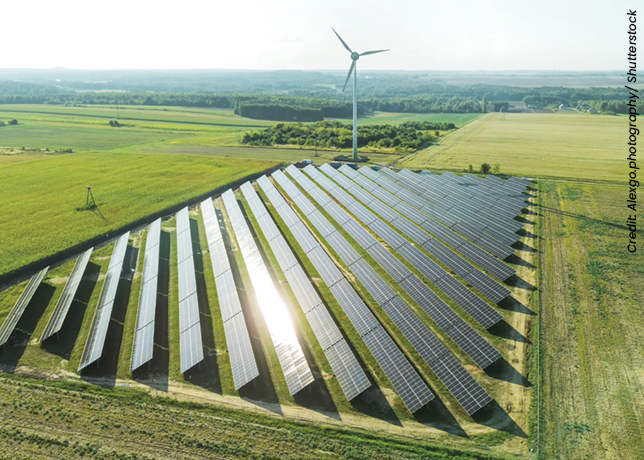
Rooftop systems, building-integrated photovoltaics, solar carports and shaded structures can be incorporated into developments without requiring additional land.
"What makes this moment particularly compelling is that the perceived barriers to adoption have largely been dismantled," said Peter Jameson, Managing Director & Partner, BCG. "Modern solar solutions can be seamlessly integrated into rooftops, facades, and shade structures without compromising architectural vision. Financing innovations have removed upfront capital requirements entirely for many developers. The projects that act now will define the benchmark for sustainable urban development across the region."
The report also highlights the role of renewable infrastructure in creating distinctive urban identities, with solar features enhancing the appeal of developments for residents, visitors and investors.
BCG recommends that developers integrate renewable energy strategies into master planning early to maximise long-term value and avoid costly future upgrades. -OGN/TradeArabia News Service