










































































Oil prices recovered on Tuesday after suffering their steepest one-day decline in weeks, as persistent concerns over potential supply disruptions in the Middle East outweighed optimism that diplomatic efforts could quickly end the five-month-old conflict between the United States and Iran.
Brent crude futures rose 1.48% to $85.01 a barrel, rebounding after plunging 7% in the previous session to a three-week low. U.S. West Texas Intermediate (WTI) crude gained 1.06% to $81.19 a barrel after falling more than 5% on Monday to its lowest close in nearly a week.
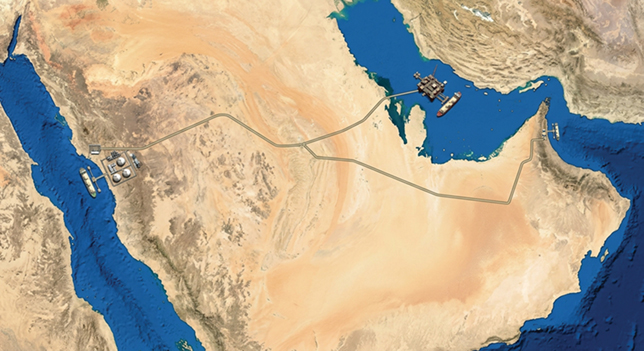
The modest recovery came as traders reassessed geopolitical risks after a commercial vessel reported being struck by an unidentified projectile in the Strait of Hormuz, while six Saudi-operated oil tankers continued to avoid the Red Sea by sailing around Africa following threats from Yemen's Iran-backed Houthi movement. The disruptions have raised concerns over higher shipping costs, longer transit times and potential delays to global crude supplies.
Market sentiment also remained clouded by conflicting signals over diplomatic efforts to end the conflict. U.S. President Donald Trump said negotiations with Iran were under way and described them as Tehran's "last chance" to reach an agreement, while Iranian officials denied that any talks were taking place, adding to uncertainty over the prospects for a breakthrough.
Analysts said the sharp sell-off on Monday reflected expectations that an immediate escalation in the conflict had been averted after Washington signalled a preference for diplomacy over military action. However, the latest attack on commercial shipping and continuing threats to key maritime routes highlighted the fragility of the security situation in the Gulf, limiting the scope for further declines in oil prices.
Brent's previous-session decline also reflected technical factors, with the October contract becoming the front-month benchmark after the more expensive September contract expired at the end of last week, said a Reuters report. The October Brent contract closed about 4.7% below Friday's settlement for the expiring September contract, contributing to the sharp headline drop.
Ahmad Assiri, Research Strategist at Pepperstone, commented: "Oil market continues to trade predominately as a function of geopolitical developments in the region with this week's price action illustrating how rapidly participants have repriced risks.
"The early week decline in crude prices followed the United States decision, after talks with regional partners, to delay a military action against Iran signaling a partial reduction in concerns over broader regional conflict and the potential disruption once again of energy supplies at a large scale. However, the subsequent marginal gain in prices suggests that investors remain reluctant to fully price out the risk of renewed escalation leaving the market front and centered influenced by geopolitical headlines.
"While the diplomatic talks has improved near-term market sentiment to some extent, Hormuz remains the single most critical chokepoint for global energy markets and continues to warrant close attention. Consequently, oil prices are likely to remain highly sensitive to developments surrounding negotiations with any renewed deterioration in diplomacy capable of rebuilding a significant risk premium. Such a scenario could once again bring the prospect of three-digit oil prices back into view, despite a broader outlook that currently favours lower prices." -TradeArabia News Service