

























































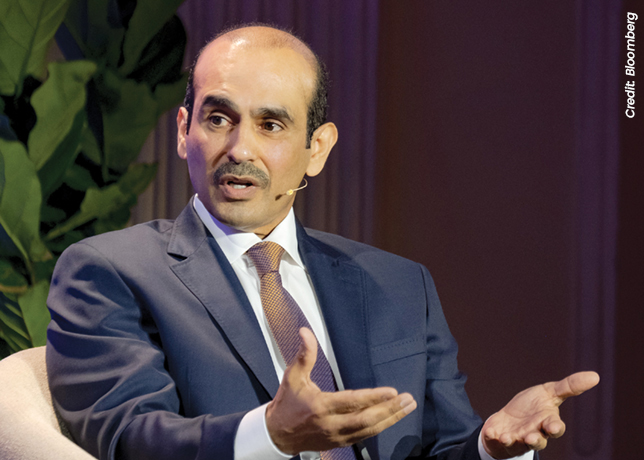
Data and industry collaboration are becoming increasingly important tools for airlines seeking to reduce fuel consumption as rising energy prices put further pressure on profitability, according to Stuart Fox, Director, Flight and Operations at the International Air Transport Association (IATA).
Fuel is expected to account for almost one-third of airline
operating costs in 2026, with carriers forecast to spend around $350 billion on
jet fuel.
IATA said the impact of higher and more volatile energy
prices, driven in part by conflict in the Middle East, is expected to
significantly reduce airline profit margins.
Global airline margins are forecast to fall from 4.2% in
2025 to just 2.0% this year.
While airlines may seek to pass higher fuel costs on to
passengers, IATA noted that there are limits to how much travellers can absorb
through higher fares.
Improving fuel efficiency has therefore become a major
priority for carriers.
An IATA survey conducted in March found that 90% of airlines
identified fuel efficiency as a top priority, rising to 96% among respondents
working in finance and procurement.
With fleet renewal and network changes already providing
many of the traditional efficiency gains, IATA said further savings will
increasingly depend on data-driven operational decisions.
Better benchmarking can help airlines identify where fuel is
being used inefficiently and compare performance with operators using similar
aircraft on comparable routes.
IATA currently has access to real-time operational data from
more than 240 airlines.
Its Fuel Efficiency Gap Analysis (FEGA) advisory service and
FuelIS analytical platform help carriers identify potential savings by aircraft
type, route, flight phase and region.
For example, benchmarking can reveal when an airline
consistently lands with higher fuel reserves than comparable operators.
Such insights can highlight opportunities to reduce fuel
burn while maintaining safety, with improvements supported through operational
guidelines and staff training.
However, IATA stressed that airlines cannot address every
source of inefficiency alone. Industry-wide cooperation, particularly in air
traffic management, is also required.
More efficient flight trajectories and direct arrival
routings can reduce unnecessary fuel consumption.
IATA is calling for continued modernisation of air traffic
management systems and closer collaboration across the aviation sector.
With fuel costs placing growing pressure on airlines, the association said data, benchmarking and coordinated operational improvements will be essential to finding further savings and improving efficiency across the industry. -TradeArabia News Service