
















































 Image by Igor Borisenko/ iStock
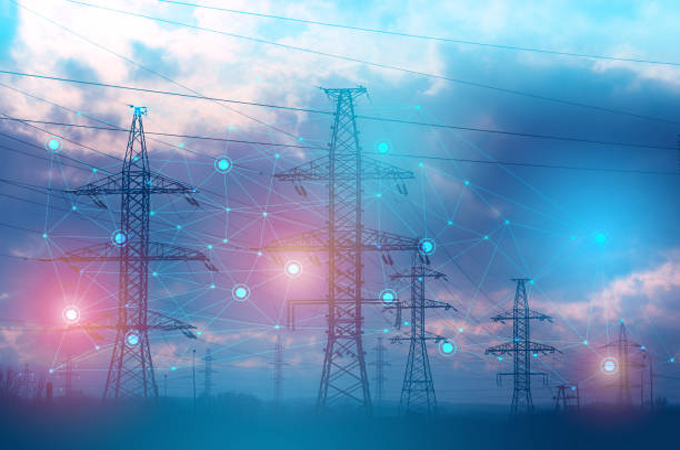
Artificial intelligence (AI) and machine learning (ML) are becoming increasingly important to predictive maintenance (PdM) across the power industry, helping utilities monitor the health of critical grid assets and detect early signs of deterioration.
By analysing operational and sensor data, AI and ML
technologies can identify anomalies and emerging failure modes before they
develop into major equipment failures.
As digitalisation expands across generation, transmission
and distribution networks, these tools are becoming increasingly important for
improving safety, efficiency and grid resilience, according to GlobalData.
GlobalData’s latest report, “Strategic Intelligence:
Predictive Maintenance in Power (2026),” highlights how companies including
Ørsted, Florida Power & Light and National Grid are combining
high-frequency sensor data, inspection imagery and operational history to
improve predictive maintenance.
These systems can detect anomalies earlier, assess failure
probability and optimise maintenance planning and outage scheduling.
PdM is also helping utilities manage changing power flows
and the variability associated with renewable energy.
Energy tracking is emerging as an important reliability
metric, allowing operators to identify declining performance before equipment
trips or fails.
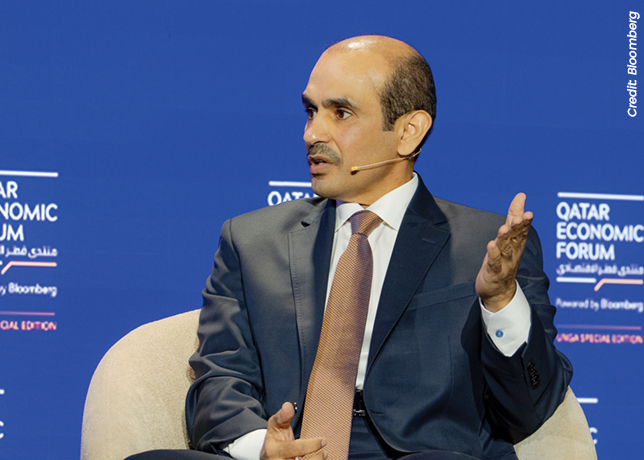
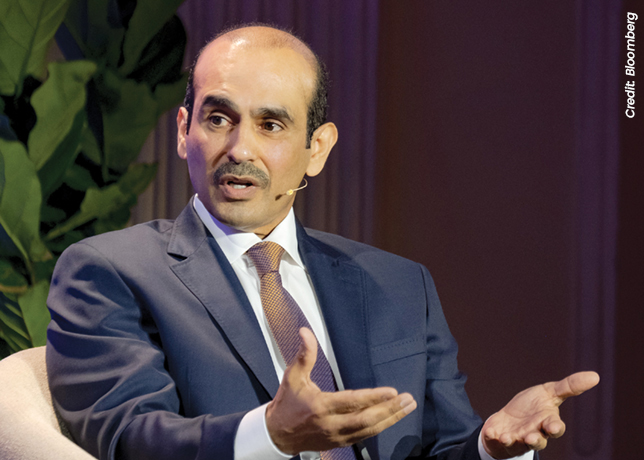
Rehaan Shiledar, Power Analyst at GlobalData, comments:
“Energy tracking is emerging as a critical reliability metric in PdM. This
helps to spot performance decline long before equipment trips or fails. By
translating technical condition signals into expected energy loss under
forecast demand, weather, and dispatch, it sharpens maintenance prioritisation
around risk-to-deliver and real economic impact, particularly where revenues
and downtime costs vary by market conditions and time.”
Comparing expected and actual output can also help utilities
identify developing problems and assess whether maintenance has restored
equipment performance.
Companies such as Duke Energy and Southern California Edison
are increasingly using advanced metering infrastructure and grid-sensing data
to monitor load and voltage, manage transformer and feeder stress, and identify
assets requiring replacement.
Digital twins and augmented reality (AR) are also expanding
the capabilities of PdM.
Shiledar says these technologies can combine real-time asset
information with visual guidance for field technicians.
“Digital twin technology and augmented reality (AR) are
increasingly being deployed in tandem, forming a powerful, complementary
combination that brings real-time intelligence. A digital twin delivers a
continuously synchronised virtual representation of a physical object, enriched
by live data streams often rendered as a high-fidelity 3D model. AR, by
contrast, serves as the intuitive visualisation layer, projecting the digital
twin’s context-aware information such as asset status, diagnostics, and guided
procedures directly onto the physical environment.”
GE Vernova is using digital twins for large-scale generation
equipment, including turbines and boilers, alongside wearable AR and immersive
headset guidance.
Siemens is similarly combining digital twins and AR to
connect physical and virtual environments and support more informed decisions.
Carbon pricing is another factor encouraging PdM adoption.
Equipment degradation
can increase fuel consumption and auxiliary loads, while carbon costs can make
inefficiency more expensive.
Shiledar adds: “Carbon pricing is emerging as an economic
driver to PdM adoption in the power sector by making inefficiency and
unreliability explicitly costlier. As equipment degrades through fouling, seal
leakage, blade wear, control drift, insulation aging, or rising transformer
losses, power plants often consume more fuel per megawatt-hour. This incurs
higher auxiliary loads; under carbon pricing, these losses translate directly
into recurring CO₂ charges.”
According to GlobalData, PdM can also reduce emissions
associated with forced outages, restarts and backup generation while improving
asset performance.
Shiledar concludes: “Utilities and power generators are accelerating PdM to improve reliability on aging assets while controlling operation & maintenance (O&M) costs. Easier-to-deploy technologies, such as IIoT sensors, edge computing, and analytics are making condition monitoring more practical and scalable. Rapid renewable growth is strengthening the case further, as distributed wind and solar fleets make downtime costly and remote monitoring essential. At the same time, safety, regulatory, and ESG expectations combined with improved cybersecurity and proven ROI, will push organisations to scale PdM from pilots to fleet-wide programmes.” -OGN/TradeArabia News Service