



































A series of recent developments is strengthening investor confidence in Suriname’s offshore oil sector, with major project awards, new discoveries and geological research pointing to further growth in the Guyana-Suriname Basin.
TotalEnergies’ progress on its GranMorgu development in
Block 58 represents the clearest sign that Suriname is moving from exploration
toward commercial production.
In July,
TotalEnergies awarded Halliburton a major contract covering drilling services,
well completions and digital workflows for the deepwater project.
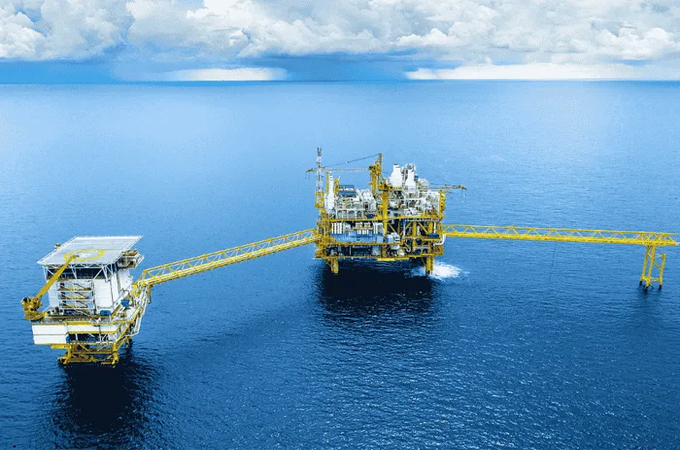
GranMorgu is targeting first oil in 2028 and will use a
floating production, storage and offloading (FPSO) vessel with capacity to
produce 220,000 barrels per day.
The project will develop the Sapakara and Krabdagu fields,
which together hold an estimated 760 million barrels of recoverable reserves.
Beyond its contribution to initial production, the project
is expected to establish offshore infrastructure that could support future
tie-backs and additional developments, creating a platform for longer-term
production growth across the basin.
Exploration activity has also continued to deliver
encouraging results. Petronas announced the Sloanea-2 gas discovery in Block 52
in June, adding to earlier discoveries including Caiman-1, Roystonea-1 and
Roystonea-2.
The discoveries are estimated to contain more than one
billion barrels of oil equivalent, reinforcing Block 52’s potential and helping
reduce geological risk for future investors.
New geological research has further strengthened the basin’s
outlook by identifying a highly prospective oil-generating “sweet spot”
extending toward Suriname’s offshore acreage, including Block 52.
The findings indicate that significant exploration potential
remains beyond existing discoveries and could support additional investment and
commercial developments.
Suriname is also seeking to attract new international
operators through Staatsolie’s open-door licensing programme.
The state-owned oil company is offering more than 70,000
square kilometres of offshore acreage across five exploration areas, providing
investors with opportunities to participate in the country’s expanding
deepwater sector.
The developments are increasingly shifting the regional
focus from individual discoveries toward broader energy integration.
As Suriname moves toward first oil and neighbouring Guyana
continues to expand production, opportunities could emerge for shared offshore
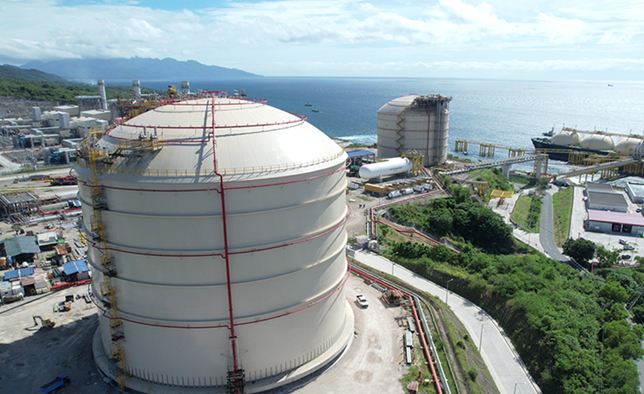
services, fabrication facilities, logistics hubs, ports, LNG infrastructure and
export corridors.
Such cooperation could improve project economics while
strengthening regional energy security.
Combined with Trinidad and Tobago’s established LNG and petrochemical infrastructure and the wider capabilities of neighbouring producers, the emerging network could lay the foundation for a globally competitive Caribbean Energy Corridor. -OGN/TradeArabia News Service