








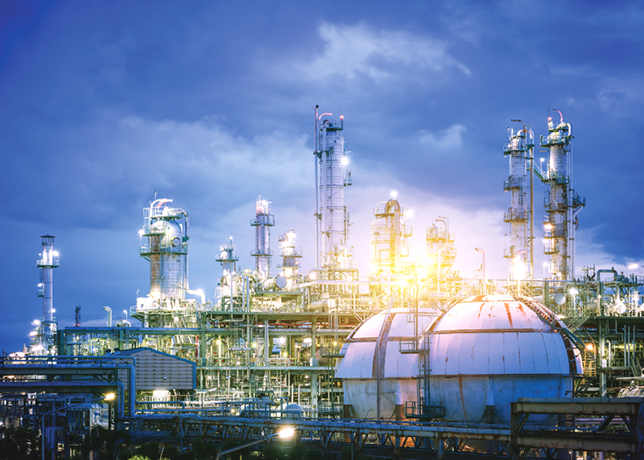





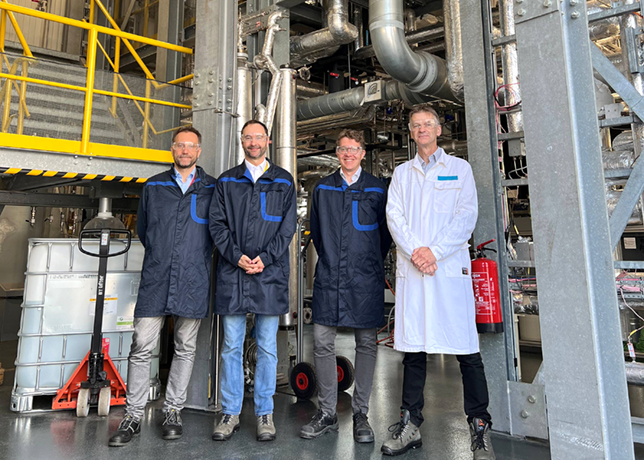







Namibia is showcasing the potential of Africa’s energy transition with the continent’s first fully integrated green hydrogen facility in Walvis Bay.
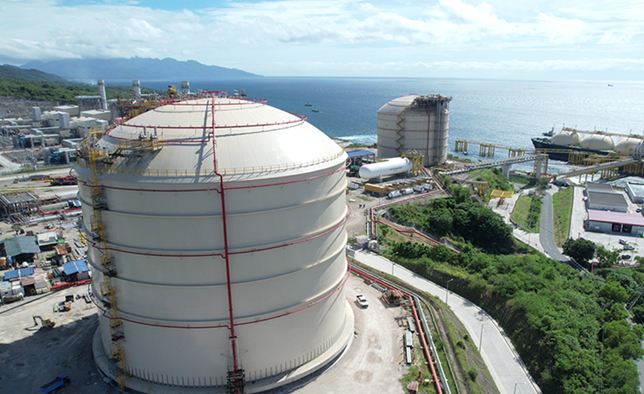
The CMB.TECH Namibia facility combines solar generation,
green hydrogen production and energy storage in one operational ecosystem,
demonstrating how clean energy can support industrial decarbonisation and
long-term energy resilience.
“Africa’s first fully integrated green hydrogen facility
demonstrates that large-scale clean energy production is not a future ambition,
but a present-day reality. Operating successfully in one of the world’s most
demanding environments, it showcases the viability of green hydrogen as a
cornerstone of the continent’s energy transition,” Sabine Dall’Omo, CEO,
Siemens Sub-Saharan Africa, tells ESI Africa.
Initially, the hydrogen will power local industrial
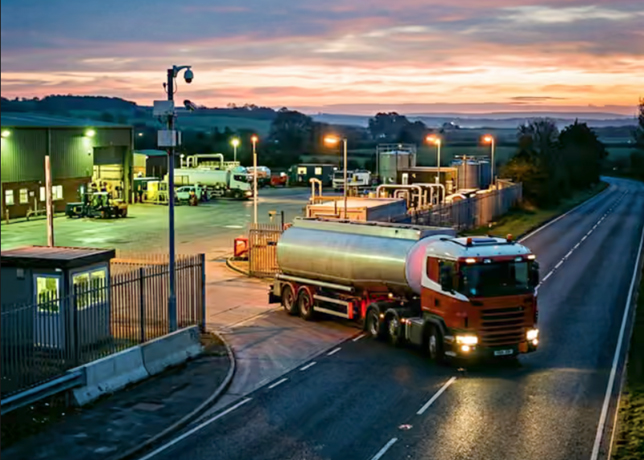
applications, including dual-fuel trucks, generators and Namibia’s first
hydrogen-powered freight locomotive.
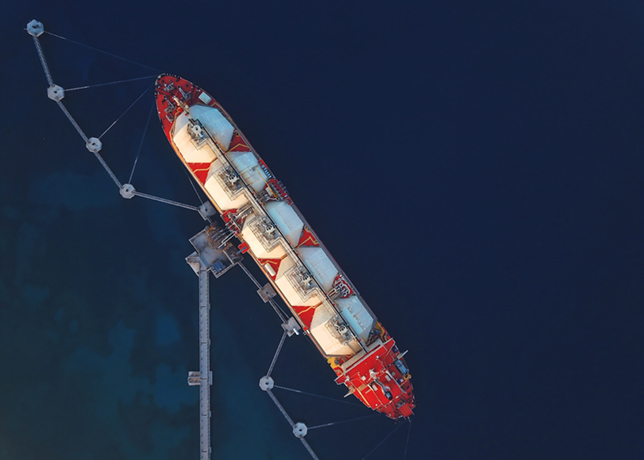
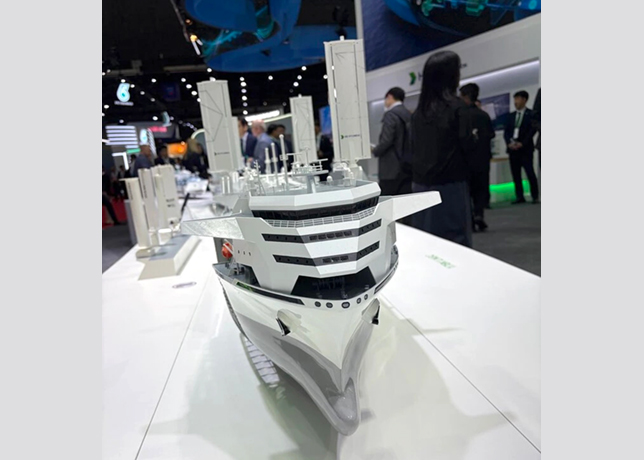
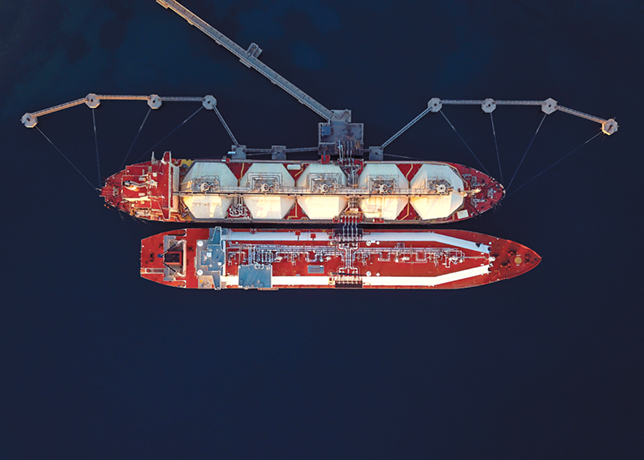
The facility is also expected to support future maritime
decarbonisation through ammonia production for ship refuelling.
Namibia’s abundant sunshine, with about 300 sunny days
annually, provides the renewable electricity needed to power the facility’s
electrolyser.
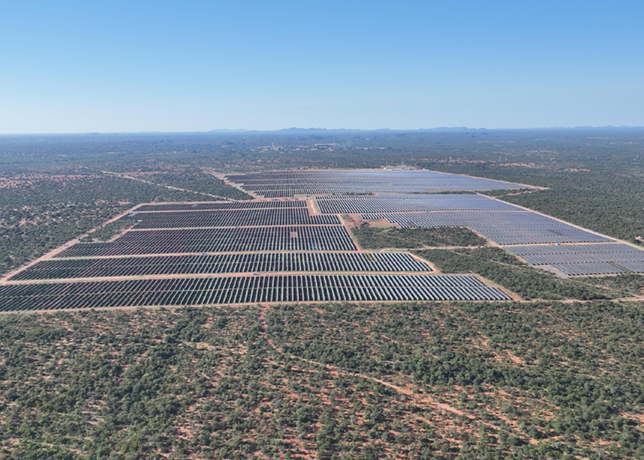
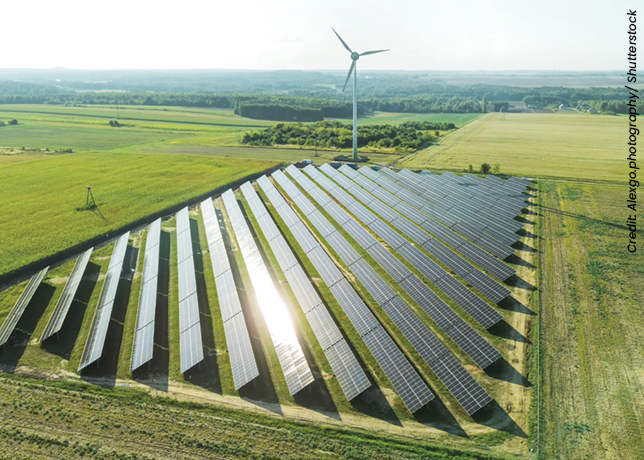
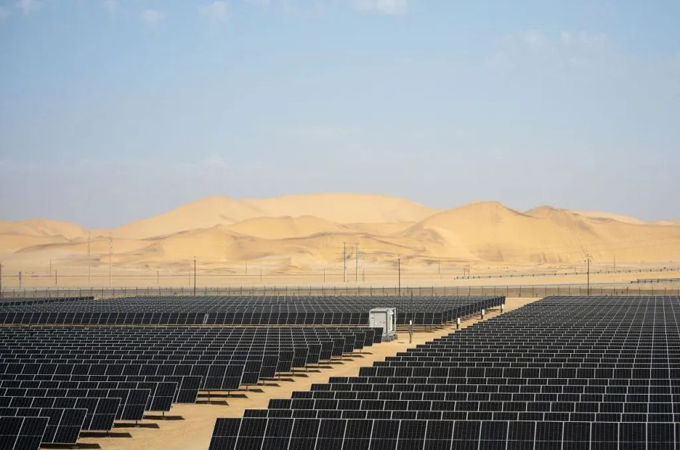
The 5MWp solar park spans 6.5 hectares and supplies a 5MW
Proton Exchange Membrane electrolyser, supported by a 5.9MWh battery energy
storage system.
CMB.TECH describes the facility as a “Living Lab” for an
integrated hydrogen economy.
It includes an off-grid electrolyser, a hydrogen refuelling
station and a Hydrogen Academy that trains drivers, technicians and scientists.
Of the facility’s 25 employees, 24 are Namibian and have
received training through the academy.
“Many green hydrogen projects are stalling because, while they invest heavily in solar energy and green hydrogen production, there is often no commercial offtake agreement in place to secure demand for the hydrogen produced,” Dall’Omo says. CMB.TECH avoids this challenge by using the hydrogen for its own industrial operations, providing a guaranteed customer from the outset.
The project is also intended to build local expertise and
create a pipeline of engineers and technicians capable of supporting Namibia’s
emerging hydrogen economy.
Looking ahead, CMB.TECH plans to expand the solar park from
its current 5MWp capacity to 250MW and eventually 500MW.
“The next step is to increase capacity to 250MW, then to
500,” says Roy Campe, Chief Technology Officer at CMB.TECH. “We want to turn
Namibia into a global energy hub and export energy to Europe and the rest of
the world. Today we have 7,000 solar panels. In the future, there could be
millions.” -OGN/TradeArabia News Service