











































Türkiye is entering a pivotal phase in the development of its energy sector, with strong economic and population growth driving rising electricity demand and increasing the need for investment in infrastructure, flexibility and energy efficiency, according to a new review by the International Energy Agency (IEA).
The IEA’s Türkiye 2026 Energy Policy Review says the country
has made significant progress in modernising its energy system, expanding
renewable power and strengthening regional energy connections.
These developments provide a strong foundation for meeting
future energy needs, improving energy security and supporting Türkiye’s
position as an important regional energy hub.
Electricity demand increased by almost 5 per cent annually
on average between 2005 and 2024, the fastest rate among IEA Member countries.
Demand is expected to continue rising through 2035, creating
pressure for sustained investment across the energy sector while keeping energy
affordable and ensuring the resilience of the electricity system.
Renewable energy is already playing a growing role.
Renewables accounted
for 43 per cent of Türkiye’s electricity generation in 2025, while the
country’s National Energy Plan targets a 55 per cent share by 2035.
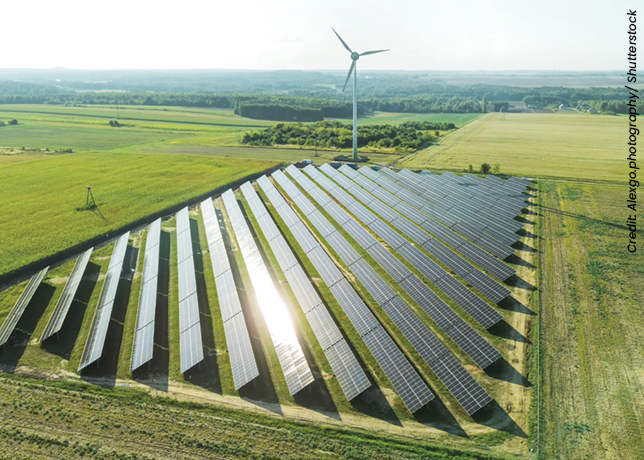
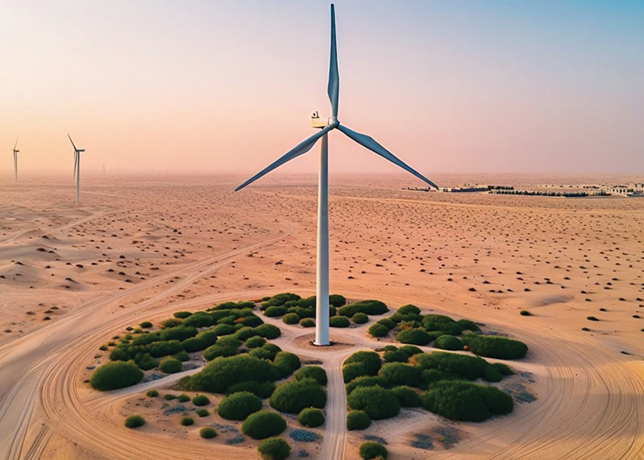
Solar capacity is expected to nearly quadruple between 2024
and 2035, while wind capacity is projected to triple.
Nuclear power is also expected to become part of the
electricity mix, helping diversify the country’s energy supply.
The IEA stresses that the rapid growth of renewable
generation must be matched by investment in electricity networks, storage and
other flexibility resources.
Türkiye is planning a major expansion of its transmission
system through 2035, as well as 7.5 GW of additional battery storage capacity.
These investments will be important for integrating
increasing amounts of variable renewable electricity while maintaining reliable
system operations.
Türkiye’s strategic geographic position also gives it an
increasingly important role in regional energy markets.
The country connects Europe with the Middle East and Caspian
region and has extensive gas infrastructure linking it to suppliers and
neighbouring markets.
The Southern Gas Corridor provides a key connection, while
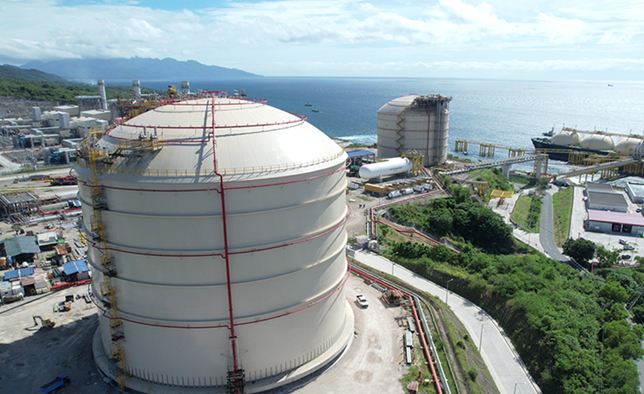
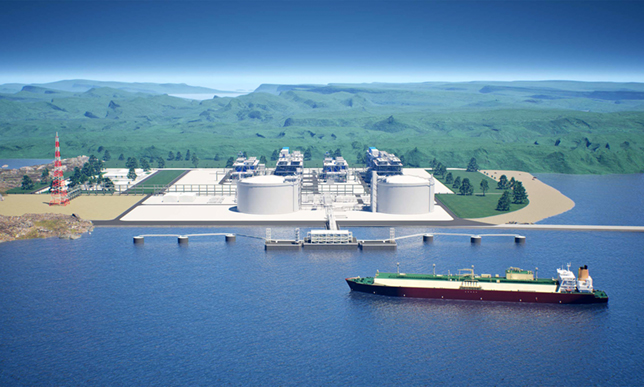
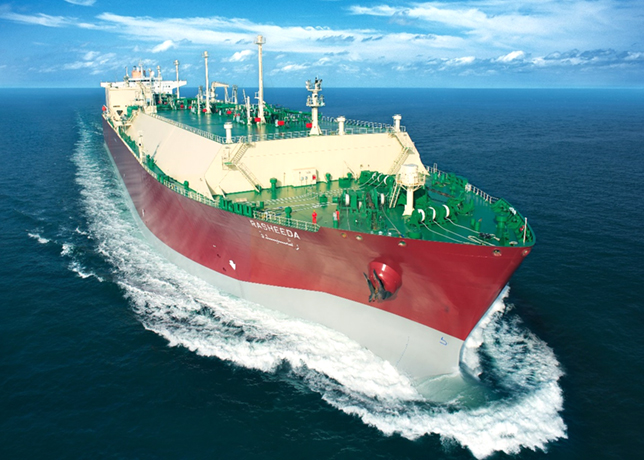
five LNG terminals offer additional supply options and strengthen flexibility
in gas imports.
“Türkiye has built strong foundations for the next phase of
its energy development, with impressive growth in renewables, major investments
in infrastructure and an increasingly important role in regional energy
markets,” said IEA Executive Director Fatih Birol. “The task now is to build on
this progress. As energy demand continues to grow rapidly, accelerating
investment in grids, flexibility and energy efficiency can strengthen Türkiye’s
energy security, support its economic competitiveness and reduce its exposure
to volatile international fuel prices.”
The review also highlights Türkiye’s efforts to strengthen
domestic energy supply. Renewable energy development is being accompanied by
investments in nuclear power and increased domestic natural gas production
following discoveries in the Black Sea. The Sakarya gas field is expected to
reach annual production of 16.5 billion cubic metres at full capacity,
equivalent to more than a quarter of Türkiye’s 2024 gas consumption.
Türkiye’s policy framework has also evolved, with the
adoption of its first Climate Law in 2025 representing a major milestone.
The law strengthens climate governance and establishes the
legal framework for a national emissions trading system.
The IEA says the priority now is to ensure that these
policies and plans are translated into effective implementation.
“Energy independence and security of supply form the
backbone of Türkiye’s National Energy Strategy,” said Türkiye’s Minister of
Energy and Natural Resources Alparslan Bayraktar. “In an era of unprecedented
global disruptions, we have strengthened our resilience through historic
domestic natural gas and oil discoveries, transformative renewable capacity
additions, and massive infrastructure investments. As we build a new
electricity-centric energy architecture, we are not only ensuring our national
energy security but also positioning Türkiye as a central, reliable energy hub
for our region. The IEA’s comprehensive review confirms the strength of our
vision, and we look forward to deepening our strategic collaboration as we
accelerate our energy transition, enhance market flexibility, and build a
sustainable, self-sufficient energy future.”
The IEA identifies several areas where further action could
strengthen Türkiye’s energy system.
These include completing energy market reforms, improving
electricity system flexibility, developing viable financing frameworks for
nuclear power and accelerating energy-efficiency measures.
The agency also calls for a more integrated approach to
industrial competitiveness, bringing together energy security, climate
objectives and economic priorities.
Overall, the review concludes that Türkiye is well
positioned to develop a more secure, resilient and competitive energy system.
Continued implementation of policies and sustained investment in grids, storage, efficiency and diverse energy sources will be critical to meeting rising demand while reinforcing Türkiye’s growing importance in regional energy markets. -OGN/TradeArabia News Service