












































Governments should take practical steps to strengthen natural gas supply security as global markets become increasingly interconnected, volatile and vulnerable to geopolitical disruptions, according to a new report from the International Energy Agency (IEA).
The report, Gas Reserve Mechanisms and Flexibility
Options, outlines a range of measures countries can adopt
over the next five years, alongside longer-term efforts to
diversify supply sources and expand infrastructure.
It examines physical reserves, commercial
flexibility and government-led mechanisms that can
help protect economies from sudden gas supply shocks.
The analysis follows two major disruptions in the
past five years that exposed weaknesses in the global
gas system.
The sharp decline in Russian pipeline gas
supplies to Europe after Russia’s full-scale invasion of
Ukraine in 2022 sent gas prices to record levels
and dramatically reshaped global LNG trade.
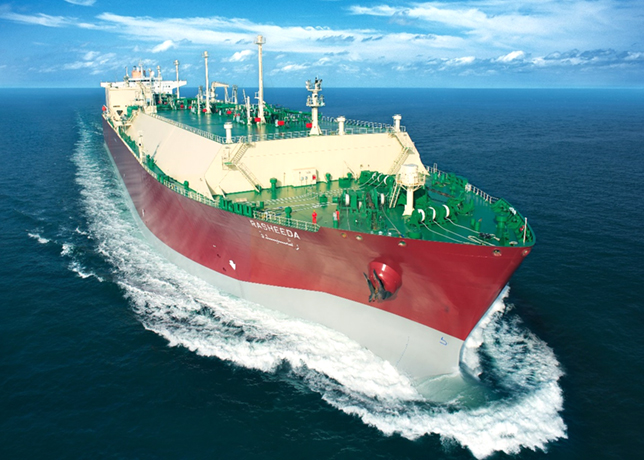
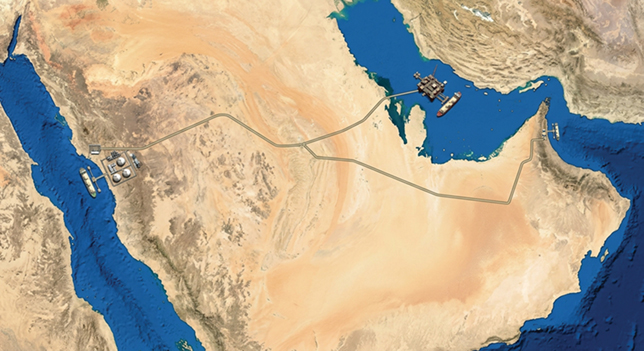
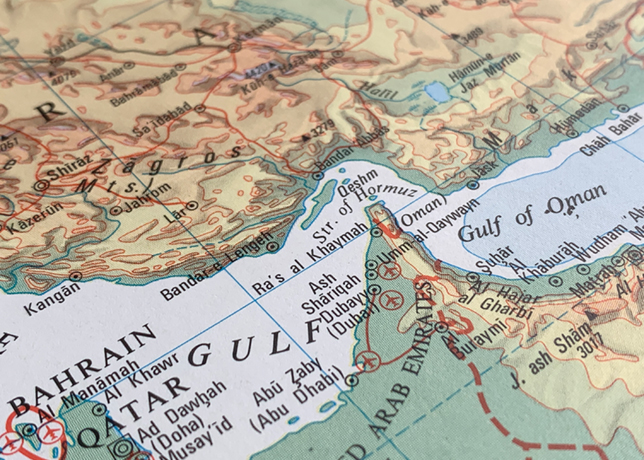
More recently, disruptions to LNG flows
through the Strait of Hormuz during the 2026 Middle
East conflict again highlighted the vulnerability of economies
that rely heavily on imported gas.
The IEA said these crises demonstrated that
competition for limited LNG cargoes during periods of severe
stress can trigger extreme price volatility and impose
significant economic costs.
In some circumstances, competition between buyers may
also fail to prevent physical shortages.
The report argues that investing in supply
resilience should be viewed much like insurance.
Although reserve capacity and other preparedness
measures involve upfront costs, the economic consequences of being
unprepared for a major disruption can be considerably greater.
Physical gas reserves remain a central component
of supply security, according to the IEA.
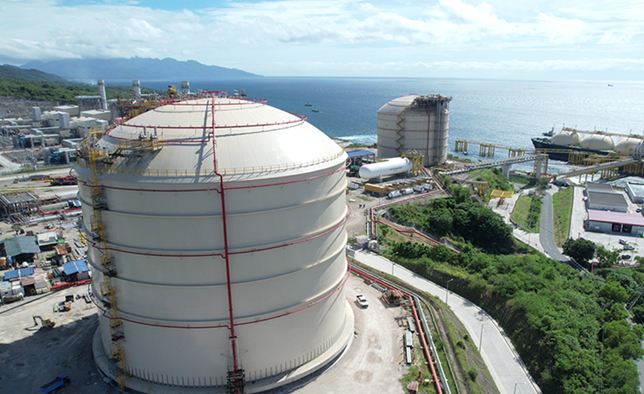
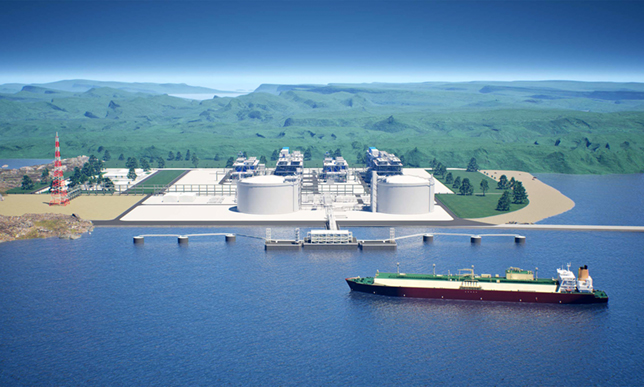
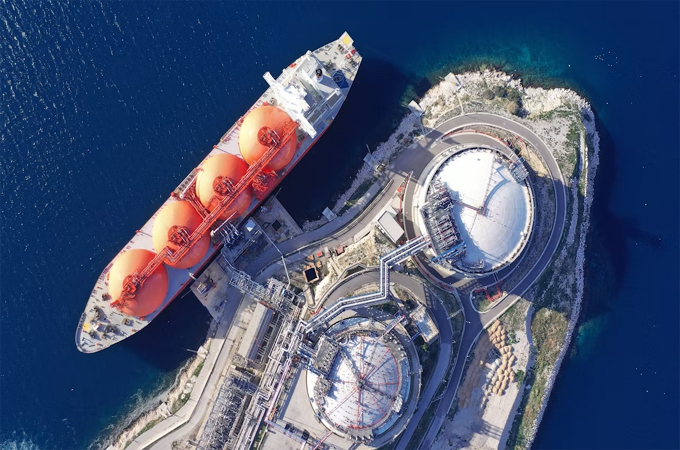
These can include underground storage, LNG storage
tanks and floating storage facilities.
However, storage capacity varies widely
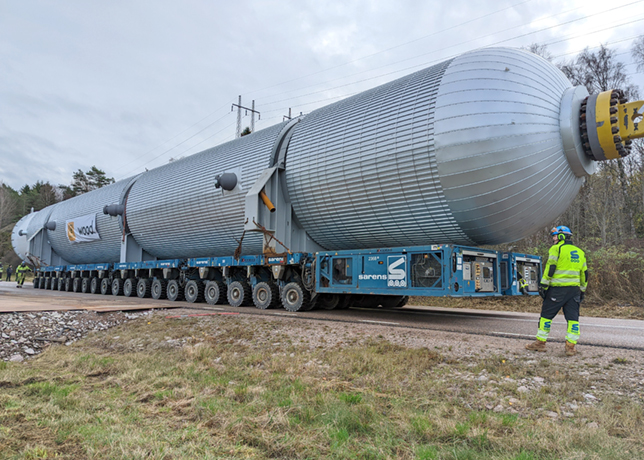
between countries, while new facilities can be costly and
take years to develop.
Greater commercial flexibility can provide
an important complement. More flexible LNG contracts, innovative
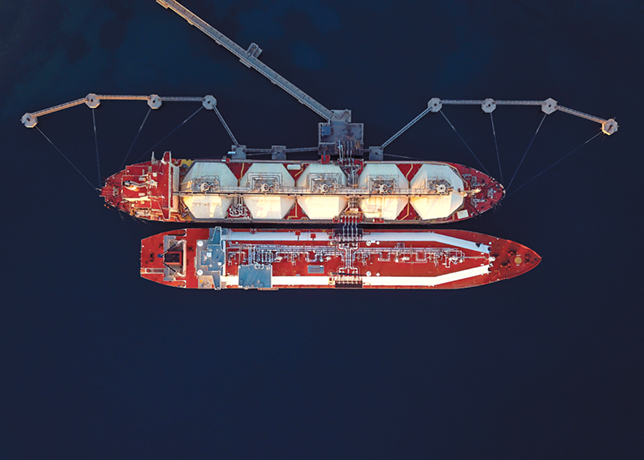
commercial arrangements and increased use of
LNG cargo swaps could help supplies move more efficiently
between markets during emergencies.
Such measures could strengthen resilience and
reduce price volatility without requiring major new
infrastructure.
The IEA also highlights policy-based mechanisms
including mandatory storage requirements, strategic gas reserves
and buffer LNG schemes.
Potential approaches include joint strategic
reserves using existing facilities, cross-border stockholding
arrangements, regional LNG buffers and systems that pool LNG
call options to provide emergency supplies.
The agency stresses that there is no universal
model for gas security.
The most effective approach will depend on factors
including geography, infrastructure, import dependence,
market structures and existing storage capacity.
International cooperation, however, could
allow countries to use existing infrastructure more efficiently
while improving their collective ability to respond to
disruptions.
The IEA recommends deeper government dialogue on
gas security, greater transparency on reserves and market conditions,
regular emergency exercises and stronger cooperation to improve
LNG market flexibility.
It also calls for further consideration
of voluntary international reserve arrangements, drawing lessons
from the IEA’s established oil security system. -OGN/TradeArabia News Service