

































The Alliance to End Plastic Waste has released its 2025 Progress Report, “Strategy in Action,” highlighting early progress in its first year of implementing Strategy 2030 and efforts to address systemic barriers to plastics circularity.
In 2025, the Alliance reduced 138,162 tonnes of unmanaged
plastic waste and valorised 165,317 tonnes, bringing cumulative totals since
its inception to 378,147 tonnes reduced and 418,529 tonnes valorised.
Its initiatives have also mobilised $641 million in
third-party and impact-investor funding commitments since 2019 and reached more
than 1.5 million people through education and behaviour-change programmes.
The Alliance engaged 559 organisations in 2025 to finance,
develop and implement projects, while shifting its focus from smaller
standalone initiatives towards larger integrated Country and Thematic Programmes.
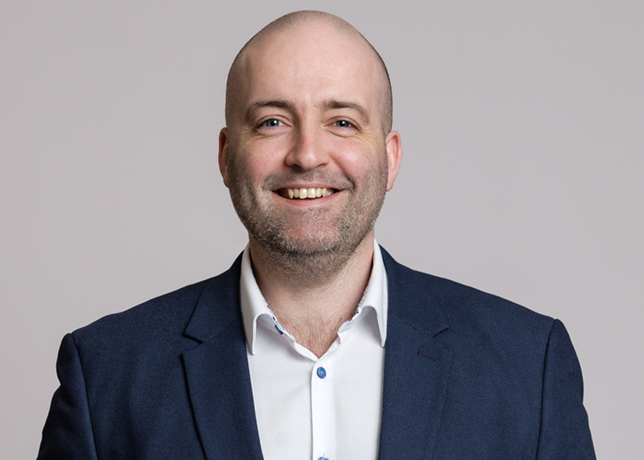
"2025 was an important first year for Strategy 2030 as
we strengthened the foundations for impact at scale and systems change. We are
seeing early results in markets where the need is greatest but delivering
solutions that create greater, lasting impact takes sustained effort, strong
partnerships, and commitment. We have made important progress this year and are
building momentum for the years ahead," said Jacob Duer, President and
CEO, Alliance to End Plastic Waste.
Country Programs are currently operating in Brazil, the GCC,
India, Indonesia and South Africa, focusing on improving waste collection,
sorting and recycling while strengthening demand for recycled materials.
In Indonesia, the Alliance launched an integrated waste
management pilot in Malang Regency, combining source segregation, collection,
sorting and links with local recyclers.
It has committed up to $40 million to apply lessons from the
pilot across multiple cities and regencies participating in the SWM-SUD
project.
In India, an Alliance-financed municipal waste processing
facility in Mathura-Vrindavan is operating at 75 per cent capacity.
The facility is expected to process up to 300 tonnes of
waste daily and divert 80 per cent of the city’s waste from landfill.
The Alliance’s Flexibles Program is addressing the
challenges surrounding flexible plastics, among the most widely used yet
difficult-to-recycle materials.
Projects in Europe and North America are adopting a
market-driven approach that aligns collection and recycling systems with
end-market demand.
In Phoenix, Arizona, the Alliance is piloting a collection
model for flexible plastics from smaller commercial and industrial generators,
while a separate US study is mapping supply, demand and opportunities for
recycled flexible plastics.
The Alliance also continued efforts to mobilise investment in circular plastics. The Plastic Circularity Strategy, managed by Lombard Odier Investment Managers, reached its final close in summer 2026 and is deploying growth equity into companies developing circular solutions, including Spain’s Fych Technologies and Switzerland’s Bloom Biorenewables. -OGN/TradeArabia News Service