















































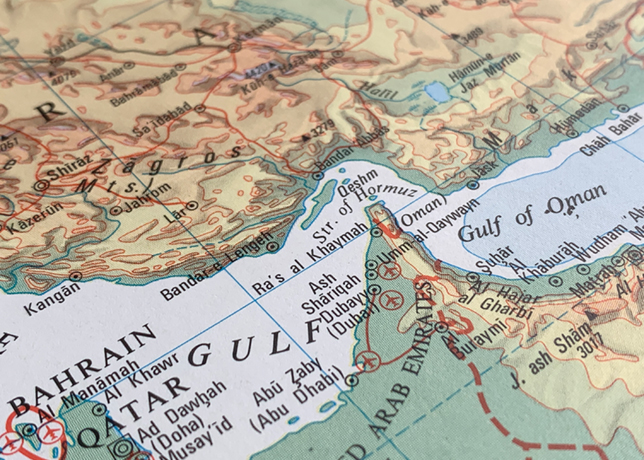
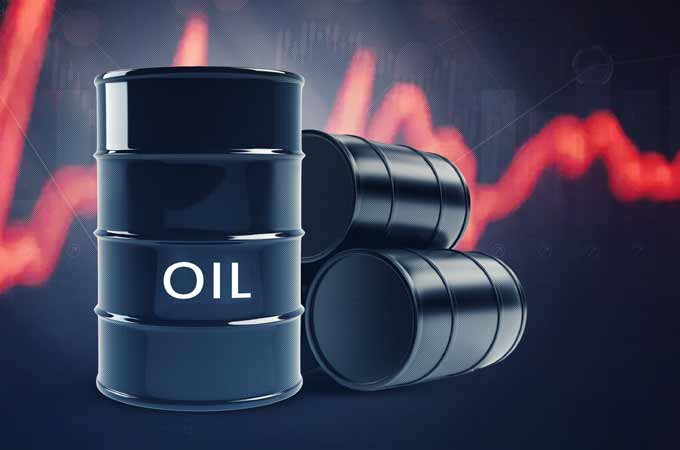
Oil prices climbed again to stay above the psychologically important $100-a-barrel mark on Tuesday as renewed concerns over Gulf security offset signs of improving Saudi crude flows through the Strait of Hormuz.
Brent crude was trading around $101.6 a barrel, after falling sharply in recent sessions on hopes of renewed US-Iran diplomacy and a recovery in Saudi exports. The benchmark had touched a low of about $100 earlier this week, while WTI was below $97.
The recovery comes as the security situation across the Gulf and Red Sea remains highly fluid.
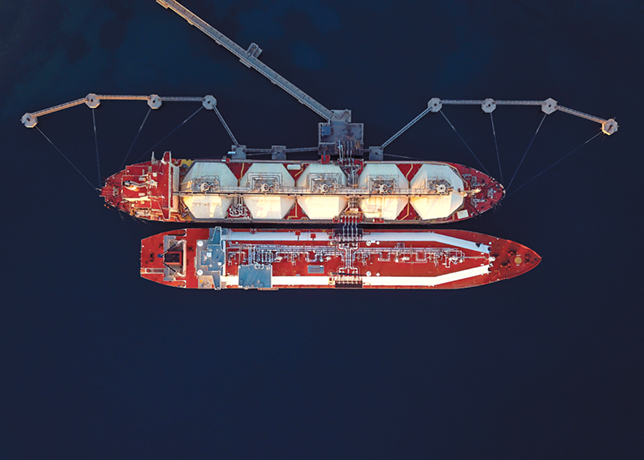
At the same time, an LPG tanker was hit by debris from unidentified projectiles while transiting out of the Strait of Hormuz, according to the United Kingdom Maritime Trade Operations (UKMTO). The vessel's crew were safe, there was no reported environmental damage and the tanker continued its voyage, while authorities investigate the incident.
Houthi advance raises new threat
Houthi fighters pushed on Monday to capture strategic heights in southern Yemen, in an effort to cut off the Red Sea coast from areas still held by forces loyal to Yemen's internationally recognised government.
The Iran-aligned group has made a rapid advance this month, extending the wider Middle East conflict into Yemen and bringing its forces closer to strategically important territory around the Bab el-Mandeb Strait, one of the world's key maritime chokepoints.
Fighting has centred on areas around Taiz province and the southern Red Sea coast. Control of the strategic highlands would give the Houthis positions from which to reinforce their operations around the Bab el-Mandeb and potentially open additional fronts against Saudi-backed forces.
Trump weighs Saudi appeal
The escalation has also exposed growing uncertainty over the extent of US involvement in Yemen.
The New York Times reported that the Trump administration had prepared to launch airstrikes against the Houthis on Sunday. However, he ordered the operation halted.
Britain has agreed to provide limited defensive military support to Saudi Arabia. British Prime Minister Andy Burnham said on Monday that London had agreed to Saudi Arabia's request for defensive air-to-air refuelling for Saudi aircraft for a limited period.
The move is intended to help protect Saudi Arabia's energy infrastructure and support regional stability. Britain and Saudi Arabia have long maintained close defence ties, with the UK among the kingdom's major arms suppliers.
The UK has previously deployed its Sky Sabre air-defence system to Saudi Arabia amid concerns over missile threats from Iran.
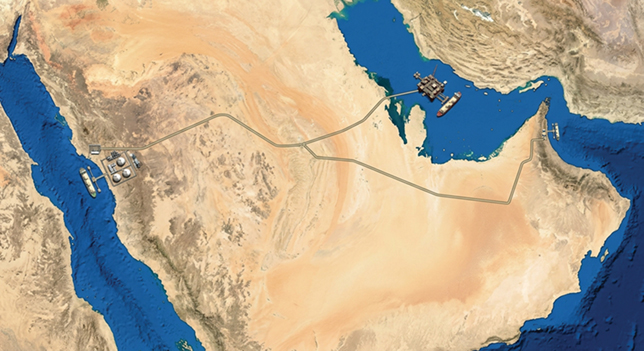
France has also indicated its readiness to help protect Saudi energy infrastructure. A French diplomatic source said Paris was prepared to contribute to securing facilities at Yanbu on the Red Sea coast and the corridor of Saudi Arabia's East-West pipeline.