































Surging electricity demand from AI, data centres, and industrial electrification is colliding with geopolitical instability, infrastructure constraints, and persistent energy gaps, according to the World Energy Council’s 2026 World Energy Trilemma report.
The challenge is shifting from
mere deployment to integration and interoperability, while navigating security,
affordability, decarbonisation, and development.
Drawing on insights from over 275 senior
energy leaders across 65 countries, it highlights grids, storage, and system
integration as primary constraints.
The report outlines five core
tensions: investing for tomorrow while managing present costs; redesigning
markets within current realities; boosting national competitiveness while
maintaining cross-border interdependence; keeping transition speeds while earning
social legitimacy; and matching institutional ambition with available capacity.
Regional dynamics highlight these pressures:
Africa: About 600 million people lack electricity, showing that expansion requires transmission, finance, and delivery systems.
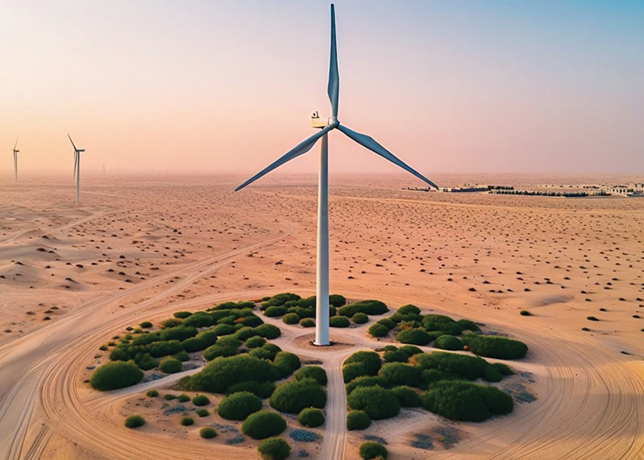
Saudi Arabia: A 2030 target for a 50 per cent renewable mix focuses attention on combining renewables, storage, and flexible gas generation.
China: Nearly 50 ultra-high-voltage transmission projects delivering over 420 GW illustrate the infrastructure scale needed for system integration.
Brazil: A 90 per cent renewable power system faces rising curtailment, emphasising the need for integration across generation, storage, and demand-side flexibility. -OGN/TradeArabia News Service